Toothache: possible causes, warning signs and when to be seen
Toothache usually comes from decay or its consequences, but it can also signal an abscess, a crack, sinusitis, and rarely a problem that is not dental at all.
Read the articleSugar, acidity, when to brush and fluoride toothpaste: practical guidelines to protect your teeth when you have sugary drinks.
Published by Dr Hafça Moqadem, Dental surgeon in Marrakech3 min read
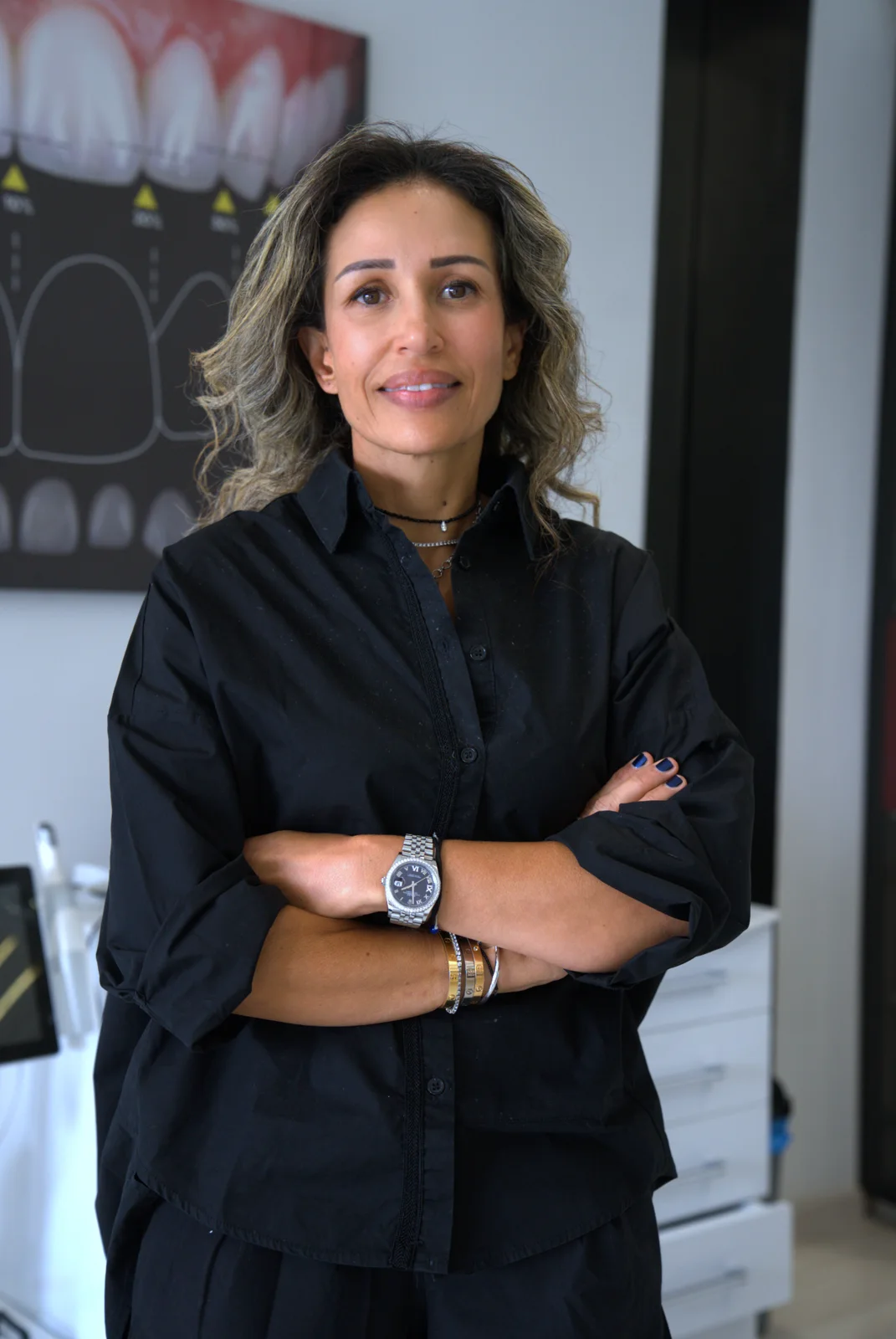
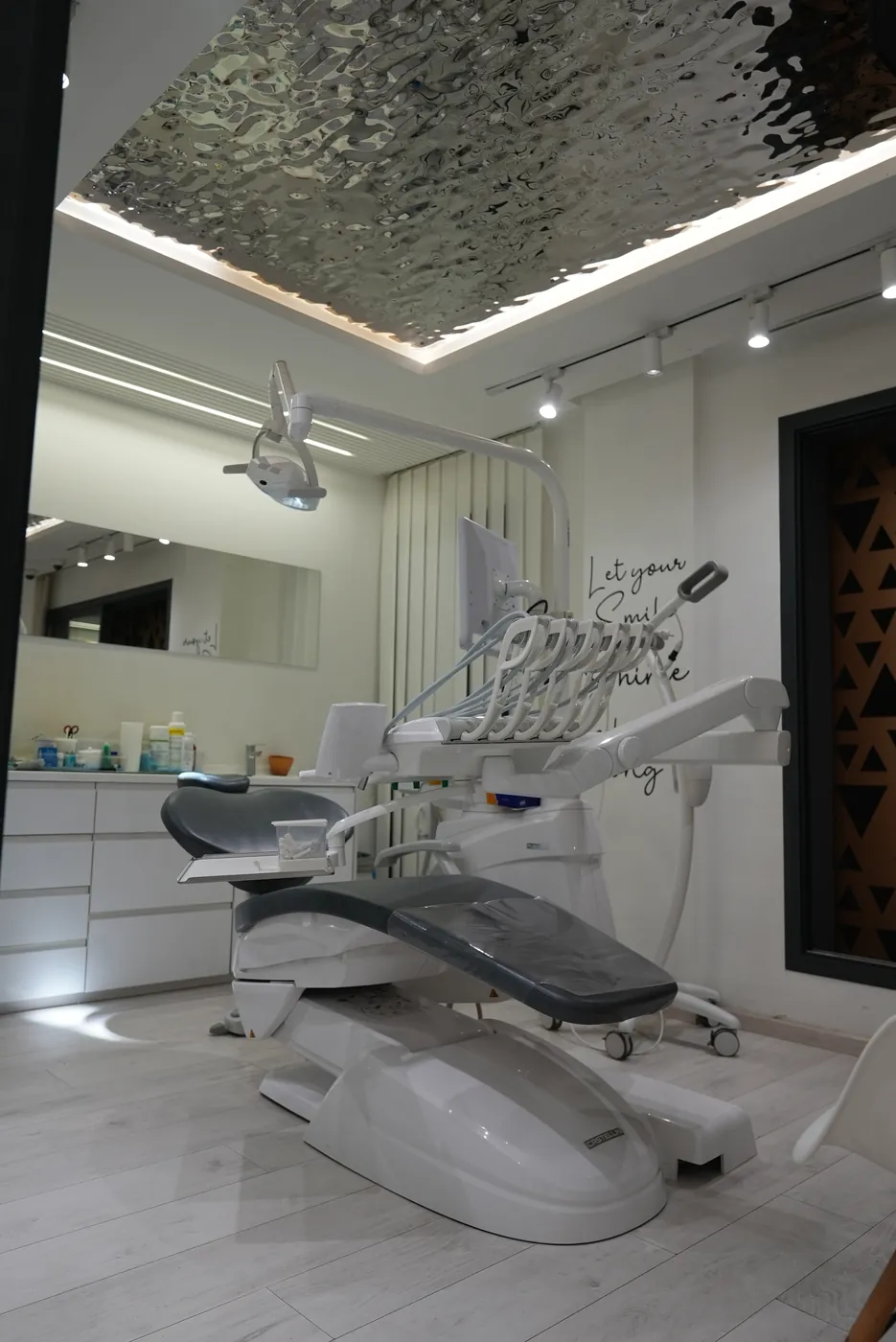
At the Guéliz clinic, Dr Hafça Moqadem carries out the consultation, the check-up and routine care herself. She shows you what she sees during the examination and on the X-rays before suggesting any treatment.
Looking for a dental surgeon in Marrakech? Dr Hafça Moqadem welcomes you at Madani Plaza, Guéliz.
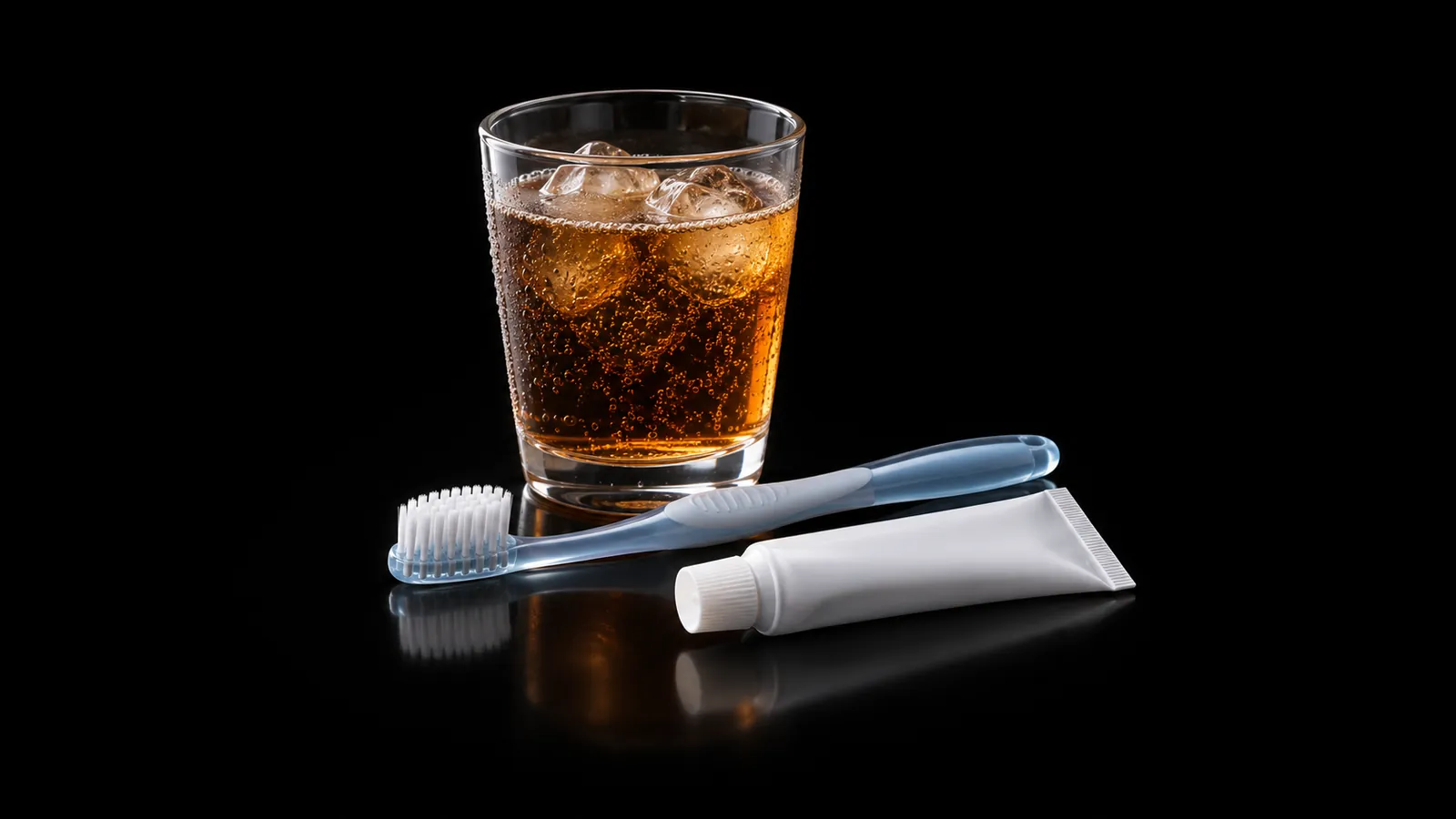
Sugar does not attack the tooth directly. Bacteria in dental plaque turn free sugars into acids, and these acids gradually dissolve the enamel. According to the World Health Organization, decay develops when several factors add up: a high and repeated intake of free sugars, too little exposure to fluoride and incomplete removal of plaque. Sugary drinks are a common source of free sugars because they are drunk quickly and often, sometimes in small sips throughout the day. So the amount matters, but so do the way you drink and the time of day you choose.
Two different processes are at work. Decay comes from the acids that bacteria produce from sugar. Erosion comes from the acids in the drink itself, which soften enamel even when there is no sugar. Fizzy drinks, including sugar-free versions, energy and sports drinks, fruit juices, smoothies and lemon water are all acidic, according to the Oral Health Foundation and the American Dental Association. A single drink can therefore have both effects. Swapping a soft drink for its sugar-free version lowers the risk of decay, but not necessarily the risk of erosion. Water and plain milk remain tooth-friendly choices.
Not after an acidic drink. Acid temporarily softens the surface of the enamel, and brushing immediately can wear it away. The American Dental Association and the Oral Health Foundation advise waiting about an hour before brushing after acidic food or drink, so that saliva can neutralise the acid and the enamel can harden again. In the meantime, rinse your mouth with water, drink a little milk, eat a piece of cheese or chew sugar-free gum to boost saliva flow. If you often have acidic drinks in the morning, ask your dentist whether brushing before breakfast would suit you better.
The NHS recommends brushing twice a day for about 2 minutes with a fluoride toothpaste. The evening brush, just before bed, is especially important. For adults, toothpaste should contain at least 1,350 ppm fluoride. Children can use a family toothpaste containing 1,350 to 1,500 ppm, and children aged 3 and under without decay can use a toothpaste with at least 1,000 ppm. After brushing, spit out the excess toothpaste without rinsing with water, because rinsing washes away the fluoride left on the teeth. A soft brush and a gentle technique help limit wear.
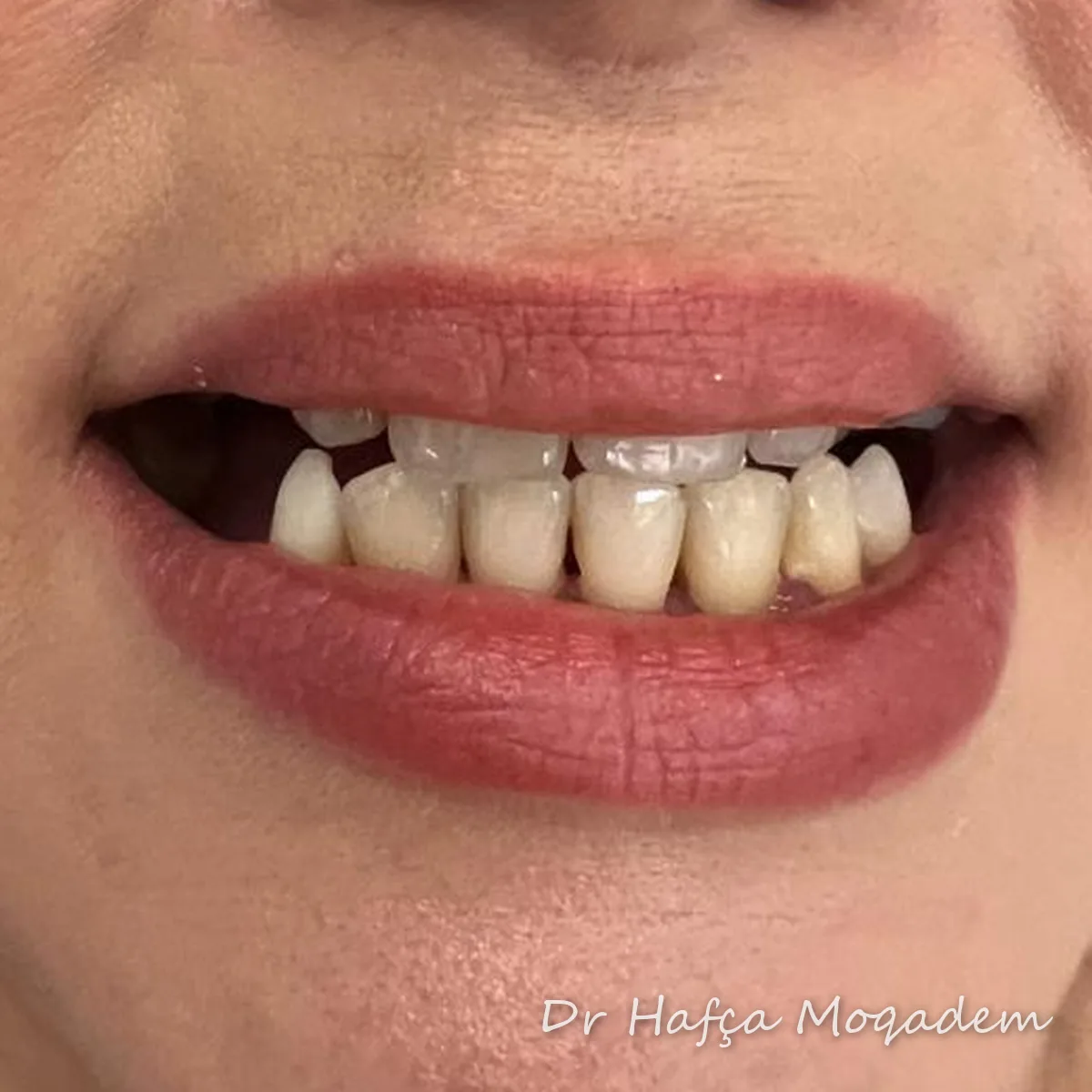 Before
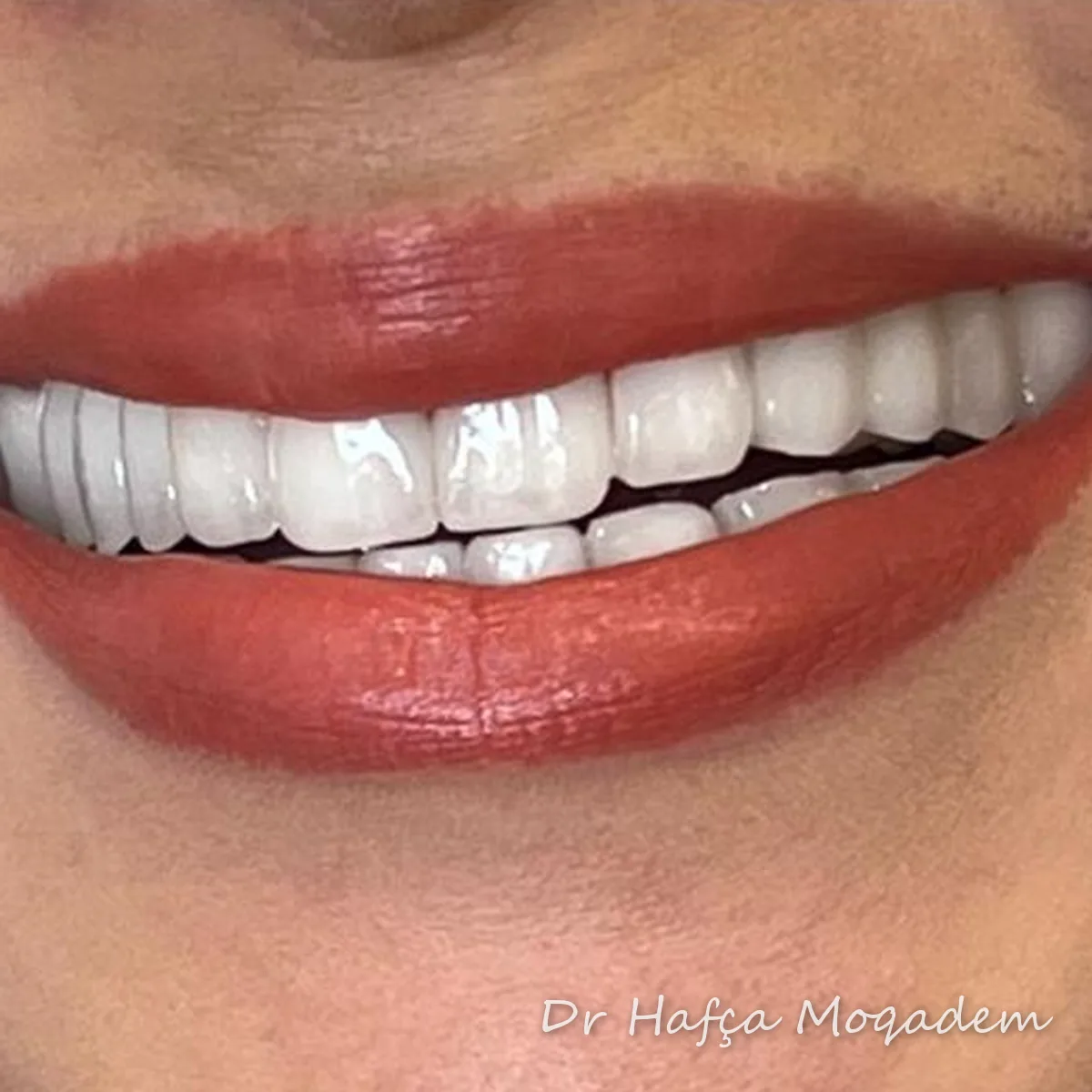 After
Real case from the clinic Dental veneers, a patient of the clinic before and after. See the cases: Dental veneers
A toothbrush does not clean well between the teeth, where plaque and sugary residue build up. The NHS mentions floss, interdental brushes or single-tufted brushes, ideally used before brushing, and advises against wooden toothpicks, which can damage the gums. Mouthwash does not replace brushing or cleaning between the teeth. Do not use it straight after brushing, because it rinses away the fluoride from the toothpaste: choose another time, such as after lunch. After using a fluoride mouthwash, avoid eating or drinking for 30 minutes.
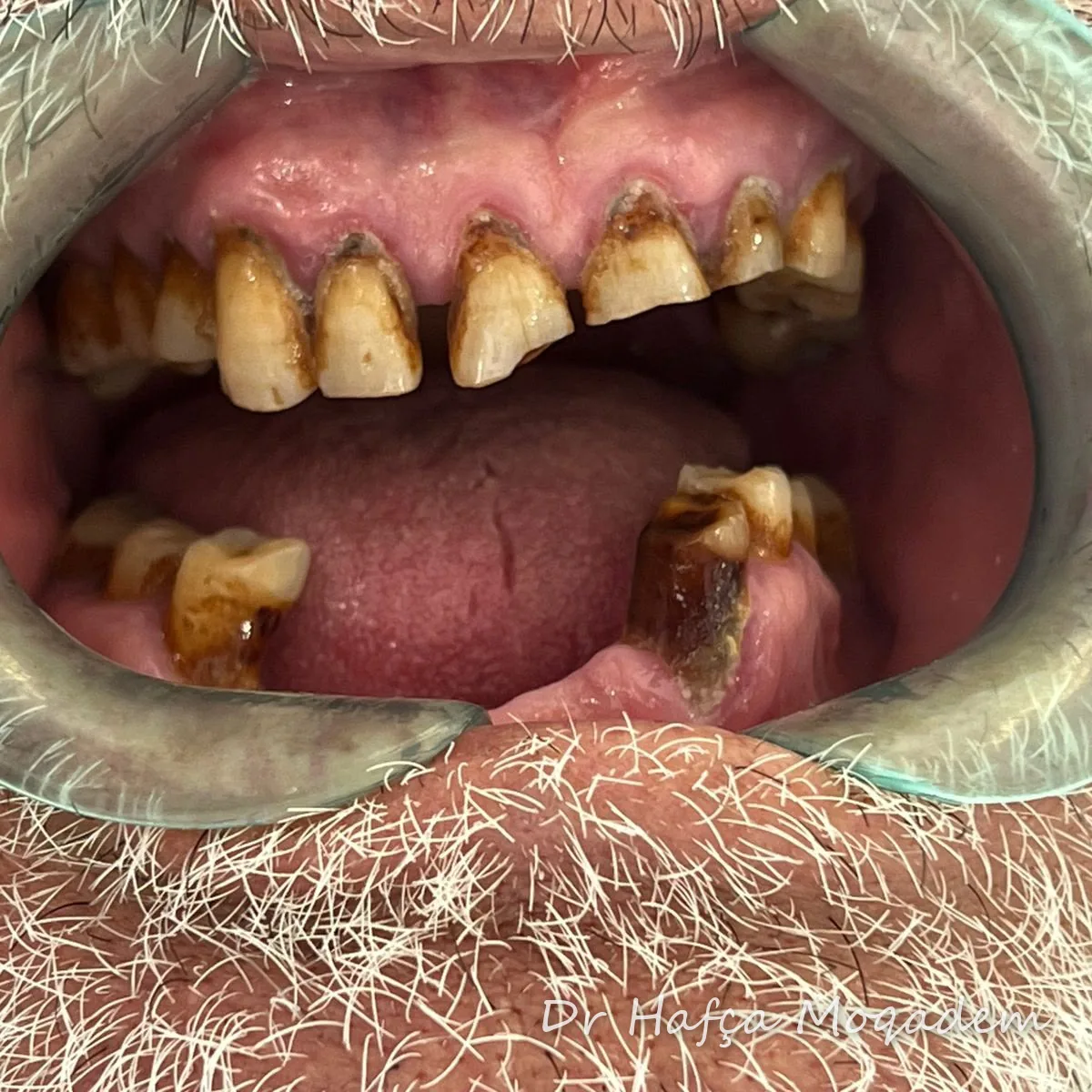 Before
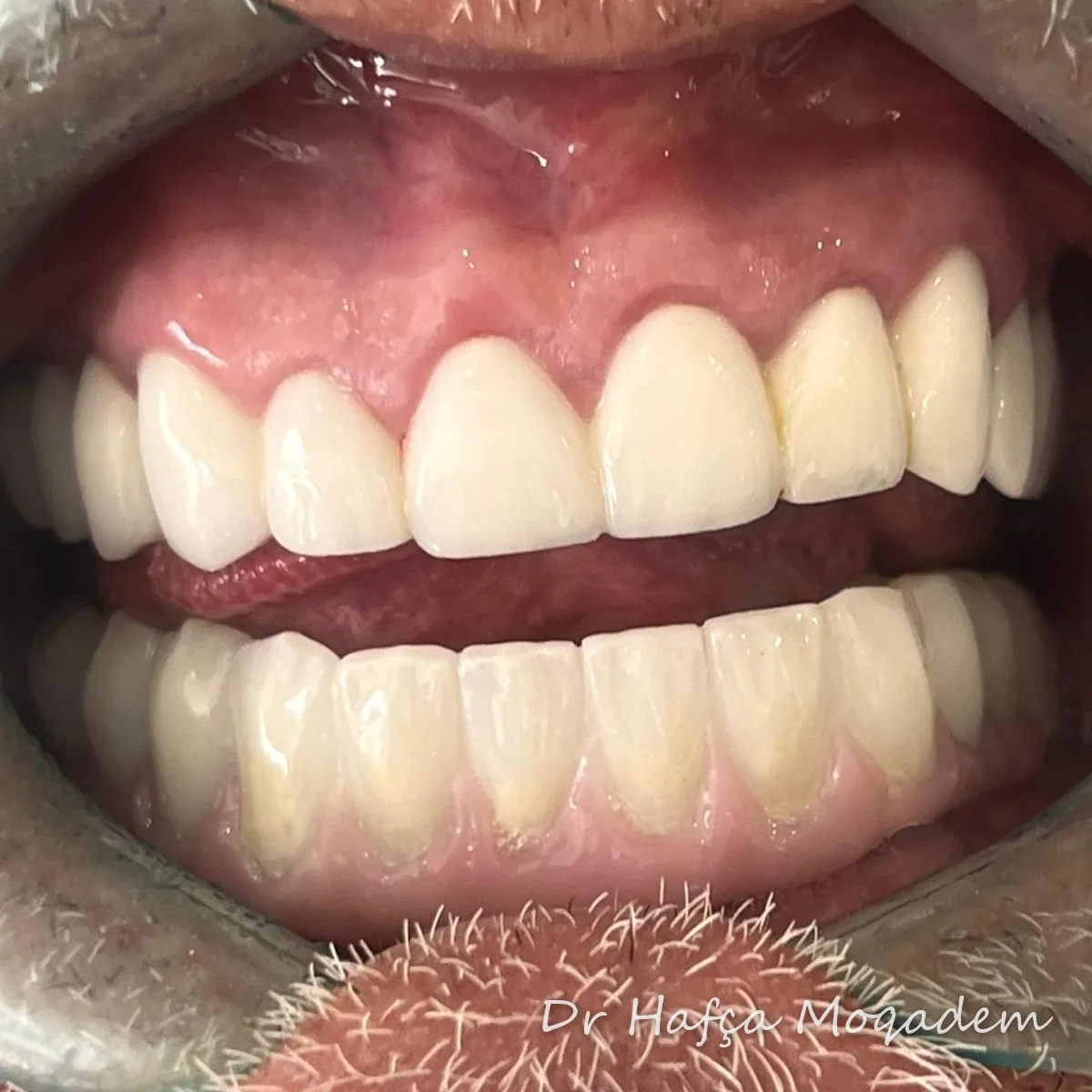 After
Real case from the clinic All-on-4, a patient of the clinic: before, then with his fixed arches on implants. See the cases: All-on-4 / All-on-6
The WHO recommends keeping free sugars below 10% of daily energy intake, and ideally below 5%. It also recommends that children under 2 should have no sugar-sweetened drinks at all. In practice, keep sugary or acidic drinks for mealtimes rather than between meals, drink them in one go instead of sipping them for hours, and avoid holding the drink in your mouth. A straw reduces contact with the teeth. Between meals, choose water. Read the labels: many juices, iced teas and flavoured drinks contain added sugars.
Some signs are a reason to book a visit: sensitivity or pain with hot, cold or sweet things, teeth that look more yellow or thinner, changes to old fillings, or a spot that is getting darker. The American Dental Association and the Oral Health Foundation list these signs for erosion. The dentist can tell decay, erosion and brushing wear apart, then suggest protection and adjustments to your routine. At your check-up, describe your drinking habits honestly, including sweetened coffee, sweet tea and juices: that is what makes the advice useful.
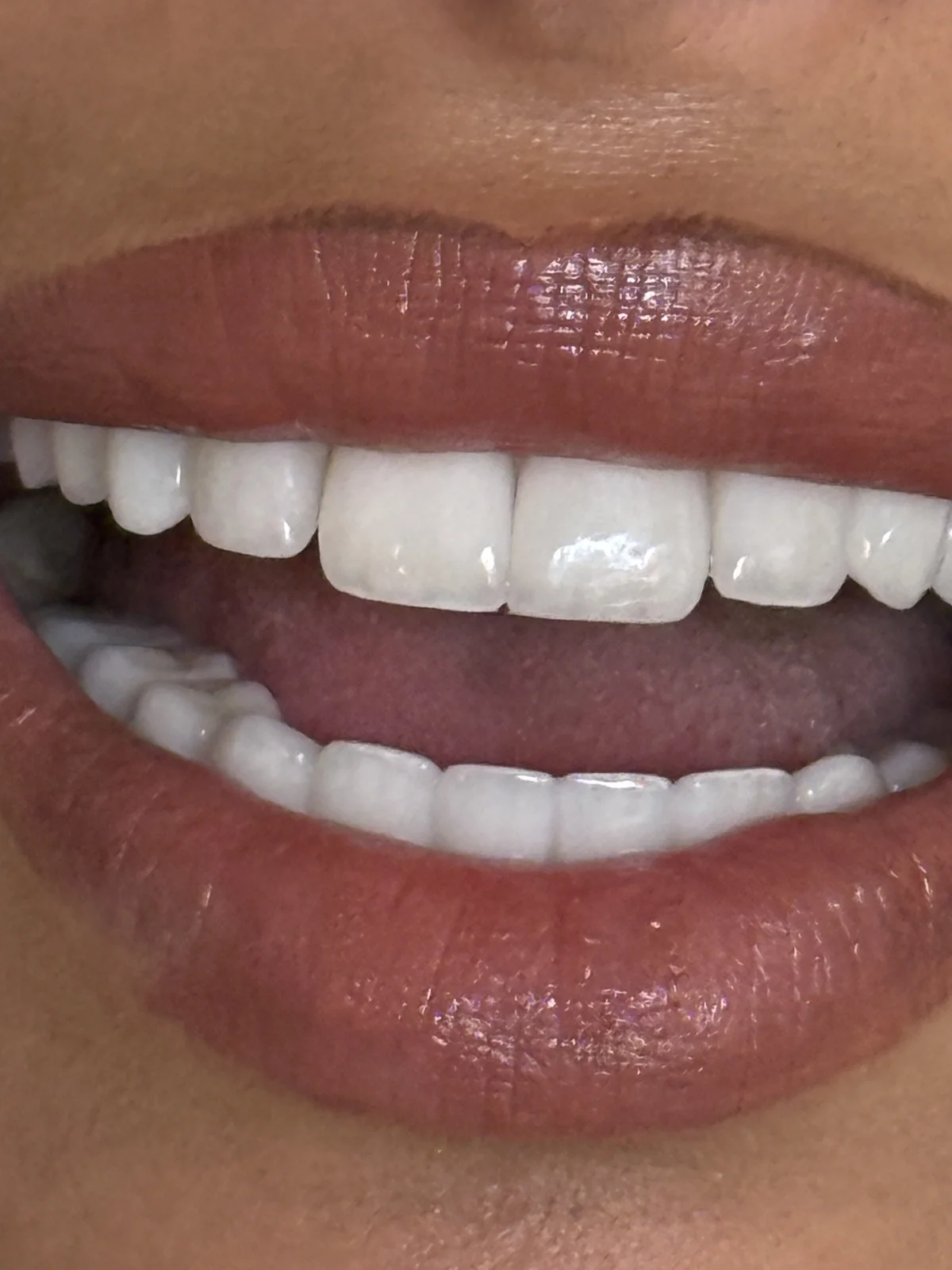
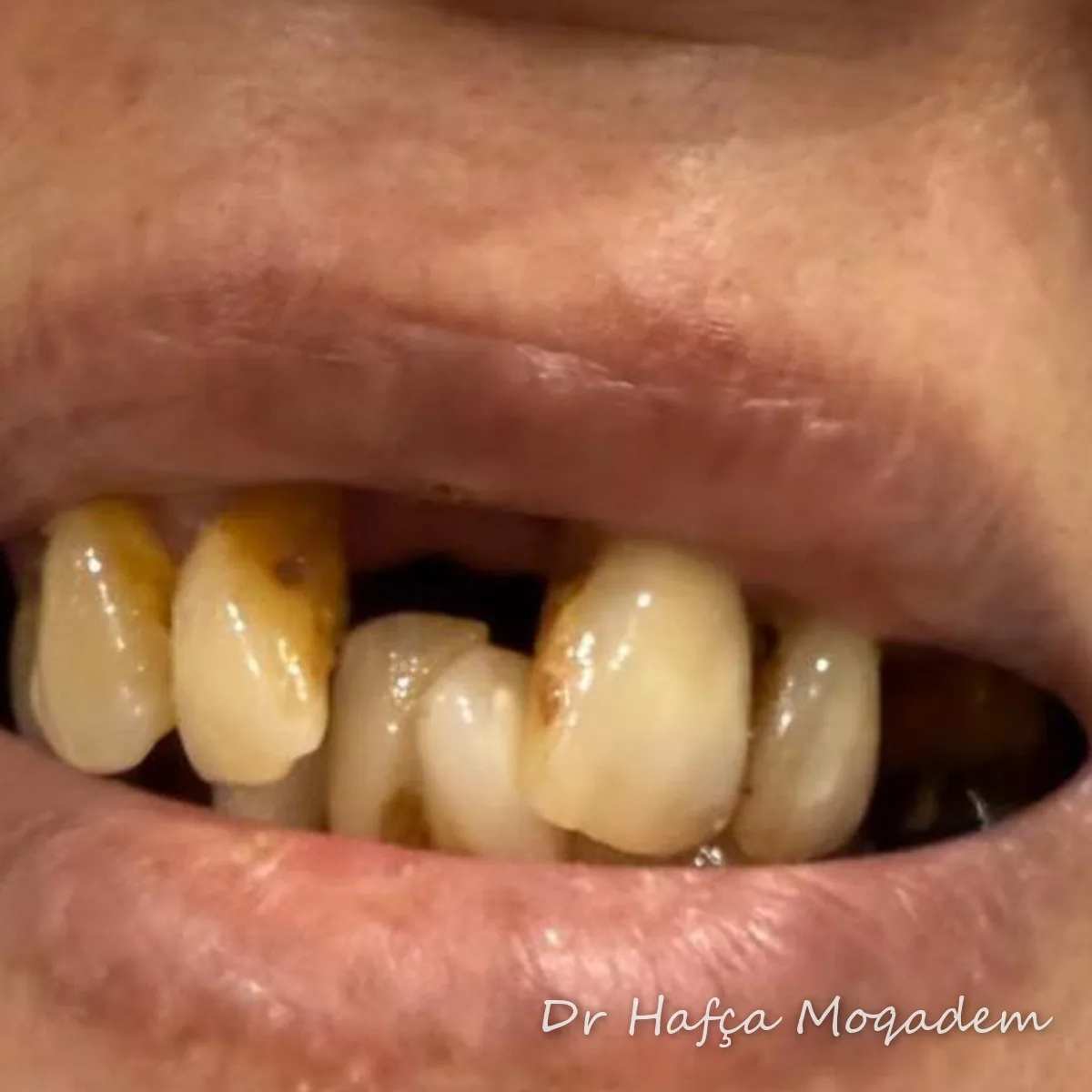 Before
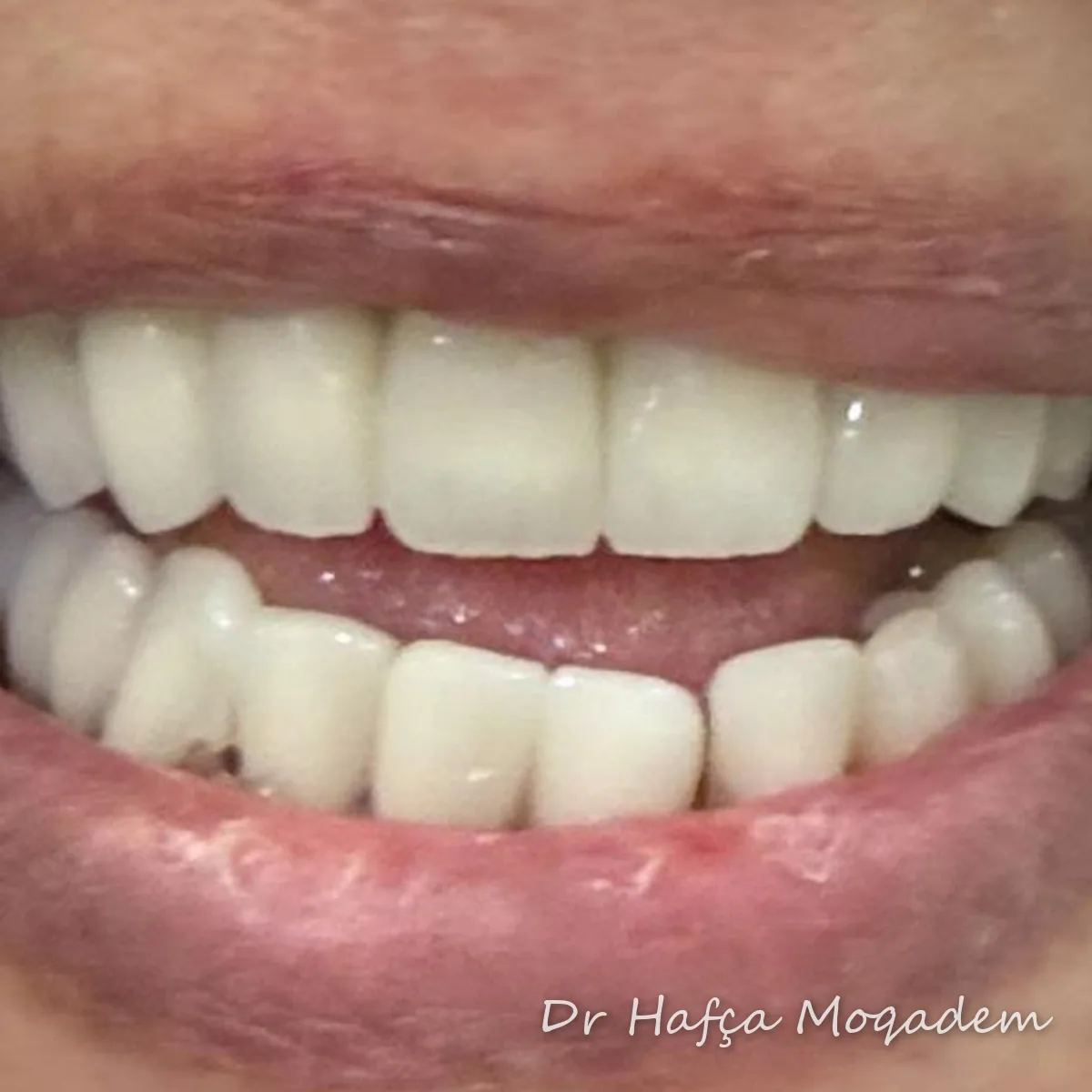 After
Real case from the clinic Hollywood smile, a patient of the clinic before and after. See the cases: Hollywood smile
The visual guide
Principles to help you prepare your questions. The assessment makes it possible to know what suits your situation.
| Item | Principle | To clarify at the clinic |
|---|---|---|
| Examine | Listen to your discomfort and examine the mouth. | Additional tests are offered if necessary. |
| Explain | Compare the options and their limits. | The treatment depends on the diagnosis and on your expectations. |
| Follow up | Check the treatment and adapt your routine. | The follow-up schedule is personalised. |
A daily guide
The NHS recommends about 2 minutes of brushing, twice a day, with a fluoride toothpaste.
Source: NHS, How to keep your teeth clean. A prevention guide, with no prediction of an individual result.
Your next appointment
Choose the questions you would like to ask. Your choices stay on this page and are neither saved nor sent.
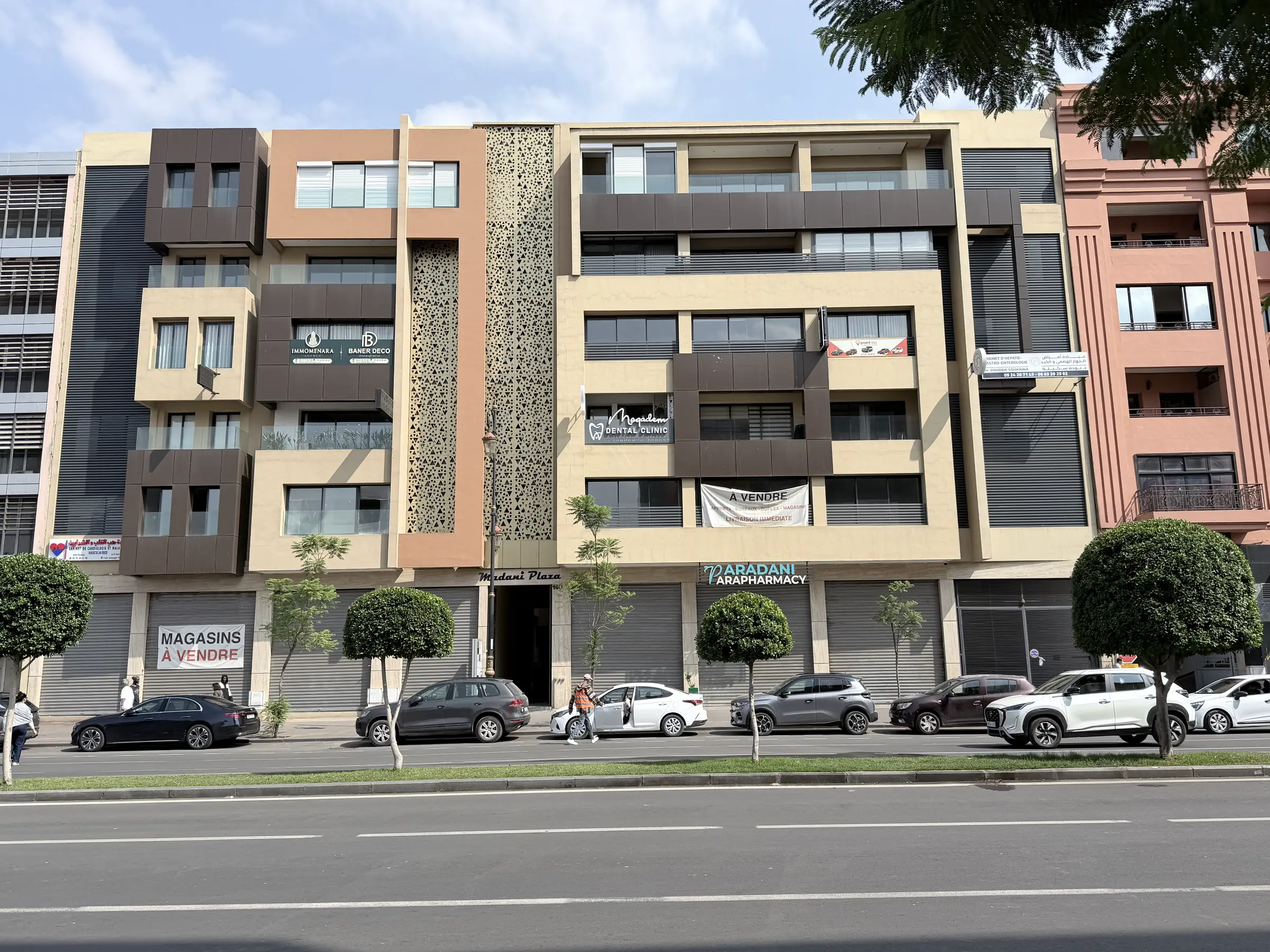
Guéliz clinic, Marrakech
An article does not replace an examination. At the clinic, Dr Hafça Moqadem examines you, explains the options and gives you a written plan before any treatment.
Call the clinic, write to us on WhatsApp, or choose a day and a time yourself: your request reaches the clinic's WhatsApp and they will confirm the appointment.
2nd floor, No. 180 Madani Plaza, Boulevard Abdelkrim Al Khattabi, Guéliz, Marrakech
Toothache usually comes from decay or its consequences, but it can also signal an abscess, a crack, sinusitis, and rarely a problem that is not dental at all.
Read the articleThere is no official ranking of dentists. Here are practical criteria for choosing a practitioner who suits your needs, and the questions to ask.
Read the articleWhere to look for a dental surgeon, which documents to bring and which questions to ask to make good use of your first consultation.
Read the articleBoth can move teeth, but they are not lived with in the same way. Compare them, then prepare the question that matters: which one suits your mouth?
Read the articleA small tooth, a chipped edge, a small gap: composite bonding may be one of the options. Here is how it works, what it does not do and how to prepare your appointment.
Read the articleA Hollywood smile is not a shade, it is an overall project. Understand what it changes, what it requires and how to decide calmly, with no promise of an identical smile for everyone.
Read the articleReplacing one or several teeth can be done in three very different ways. Understand what each one asks of you, day to day and at the clinic, before choosing.
Read the articleA quote alone is not enough to choose: here is what to prepare before the trip, check on arrival and organise for follow-up once you are back home.
Read the articleTo find out more about the general information in this article:
Hello. Choose a question below and the answer will appear here.