
Sugary drinks and brushing, useful guidelines
Sugar, acidity, when to brush and fluoride toothpaste: practical guidelines to protect your teeth when you have sugary drinks.
Read the articleThere is no official ranking of dentists. Here are practical criteria for choosing a practitioner who suits your needs, and the questions to ask.
Published by Dr Hafça Moqadem, Dental surgeon in Marrakech4 min read
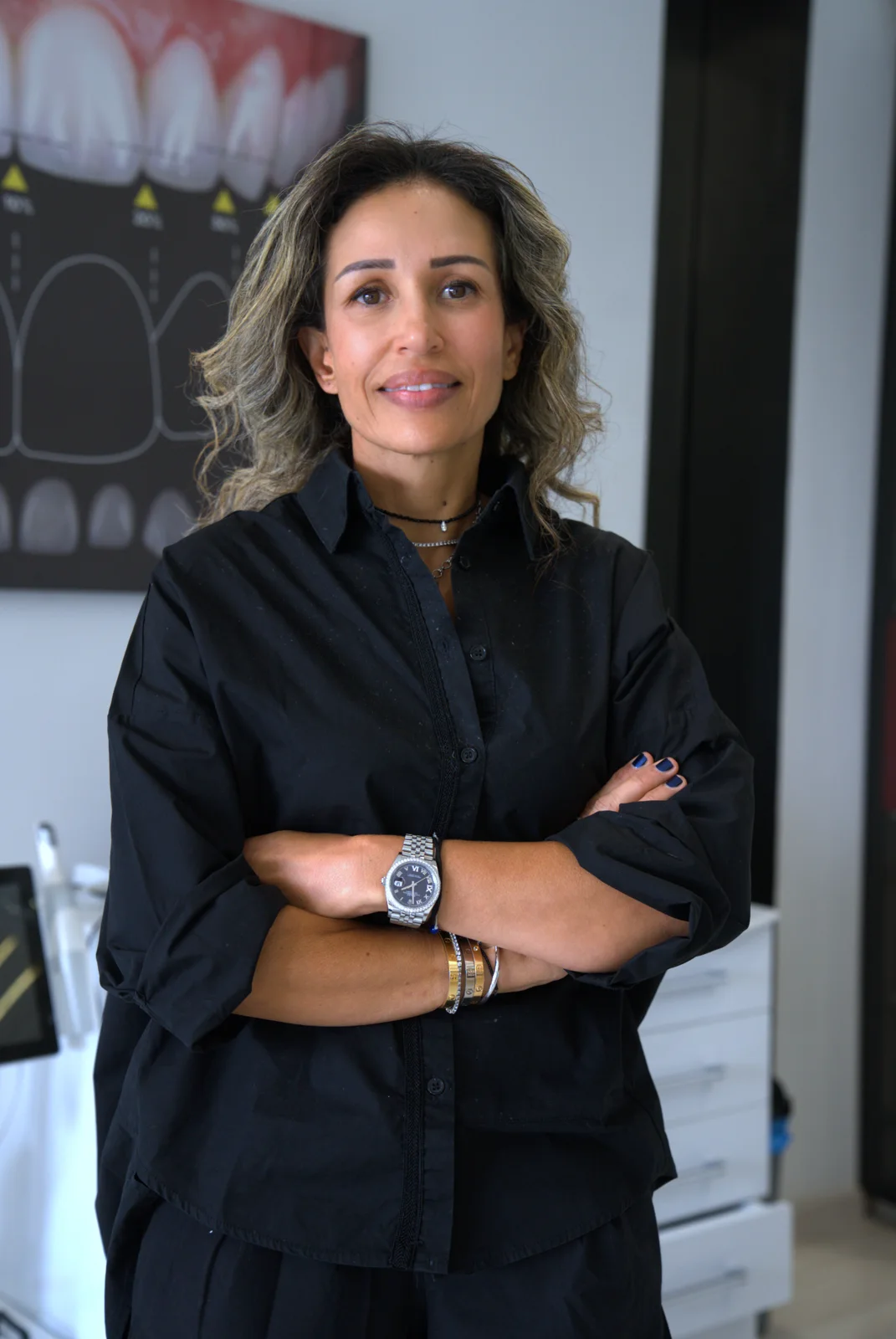
Looking for a dentist in Marrakech? At the Guéliz clinic, Dr Hafça Moqadem sees you herself, examines you and explains the options before any quote. Here is her background, so you can check the criteria described in this article for yourself.
Looking for a dental surgeon in Marrakech? Dr Hafça Moqadem welcomes you at Madani Plaza, Guéliz.
Many patients search online for a ranking of dentists in Marrakech. There is no official one, and a rating on a platform says nothing about the quality of a specific treatment. The right practitioner depends on what you need: a check-up, acute pain, an anxious child, a cosmetic project or replacing several teeth do not call for the same thing. Rather than looking for a name, use a method: check the practitioner's status, judge the quality of the explanations, compare complete plans and consider how easy the practice is to reach. The sections below set out these criteria and the questions to ask.
In Morocco, dentistry is a regulated profession, represented by the National Order of Dental Practitioners (ONMD). In May 2026 the Order again warned about the illegal practice of dentistry, including by people presenting themselves as dentists, and dental school teachers described complications from treatment carried out outside the legal framework. Before any treatment, ask for the name and title of the practitioner who will treat you. A denture, an extraction or an implant carried out by an unqualified person puts your health at risk and can lead to extra costs to redo the work.
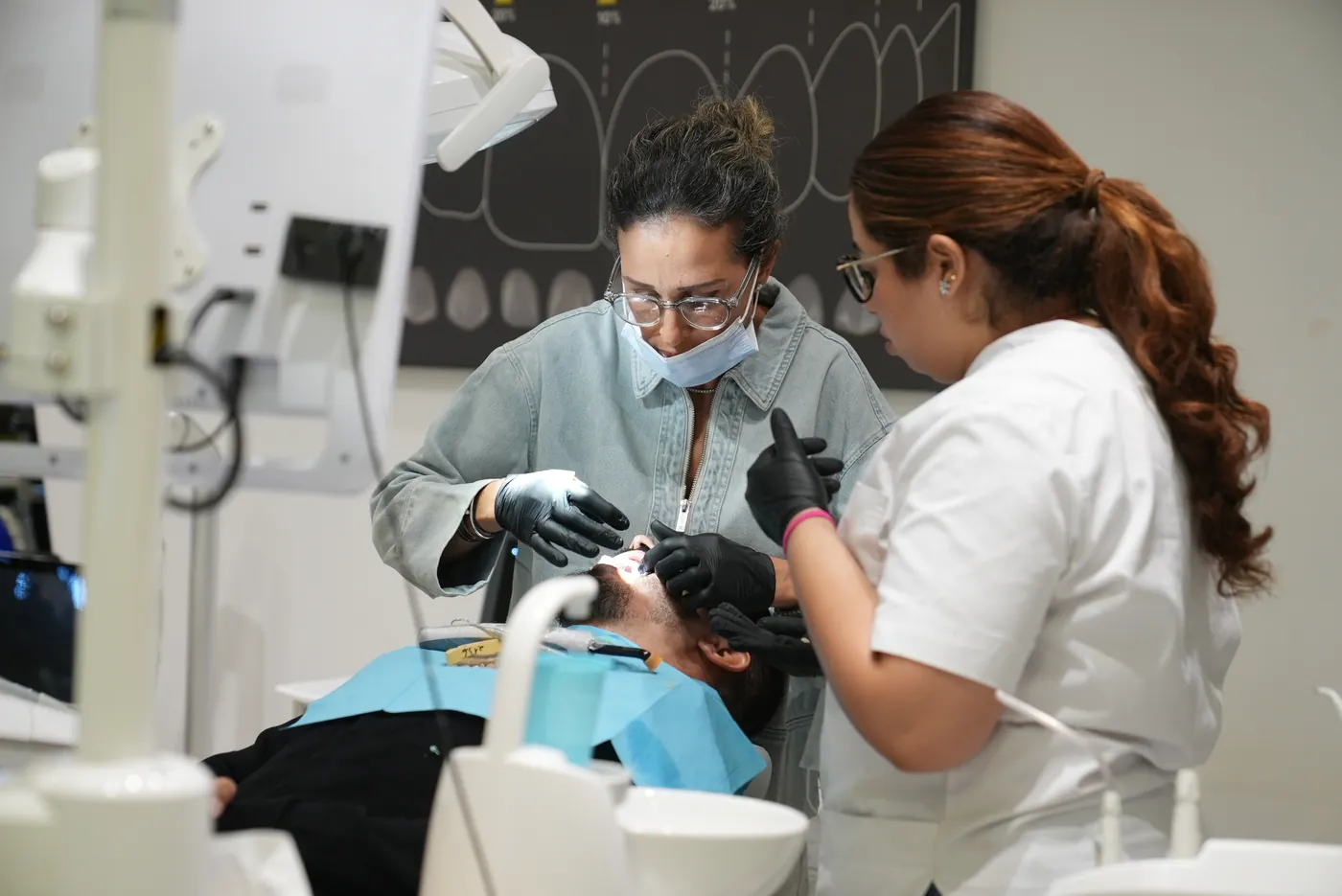
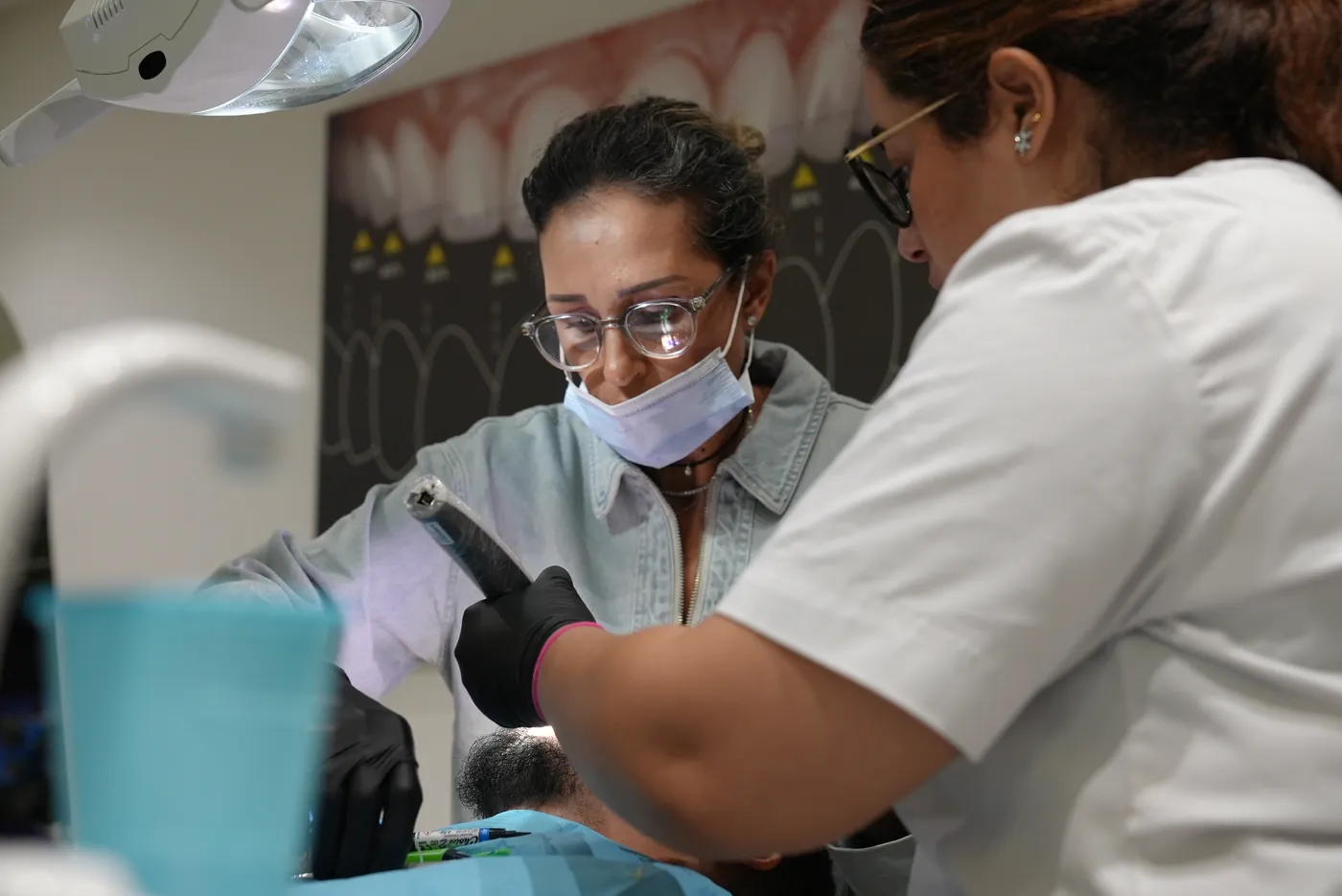
Explain your priority when you book: pain, bleeding gums, a broken tooth, a check-up, whitening, veneers, orthodontic treatment or replacing teeth. Some practitioners focus their work on one area, such as orthodontics, periodontics, implant dentistry or cosmetic dentistry. Ask whether the practitioner carries out the planned treatment personally or works with a colleague for some stages, and who will follow you during treatment. For a child, an older person or a very anxious patient, mention it when you call: the appointment can be organised accordingly. A practice that asks about your needs before suggesting treatment is a good sign.
After the examination, you should understand what has been found and why a treatment is being suggested. Ask what options exist, including a simpler solution or simply monitoring, with their advantages, limits, usual duration and the upkeep they require. A treatment plan and an itemised quote, given in writing after the examination, let you think things over calmly. You can ask for time before deciding, or for a second opinion on a major project. Be wary of pressure to agree on the same day, of a promised result with no caveats, or of a plan offered without a clinical examination.
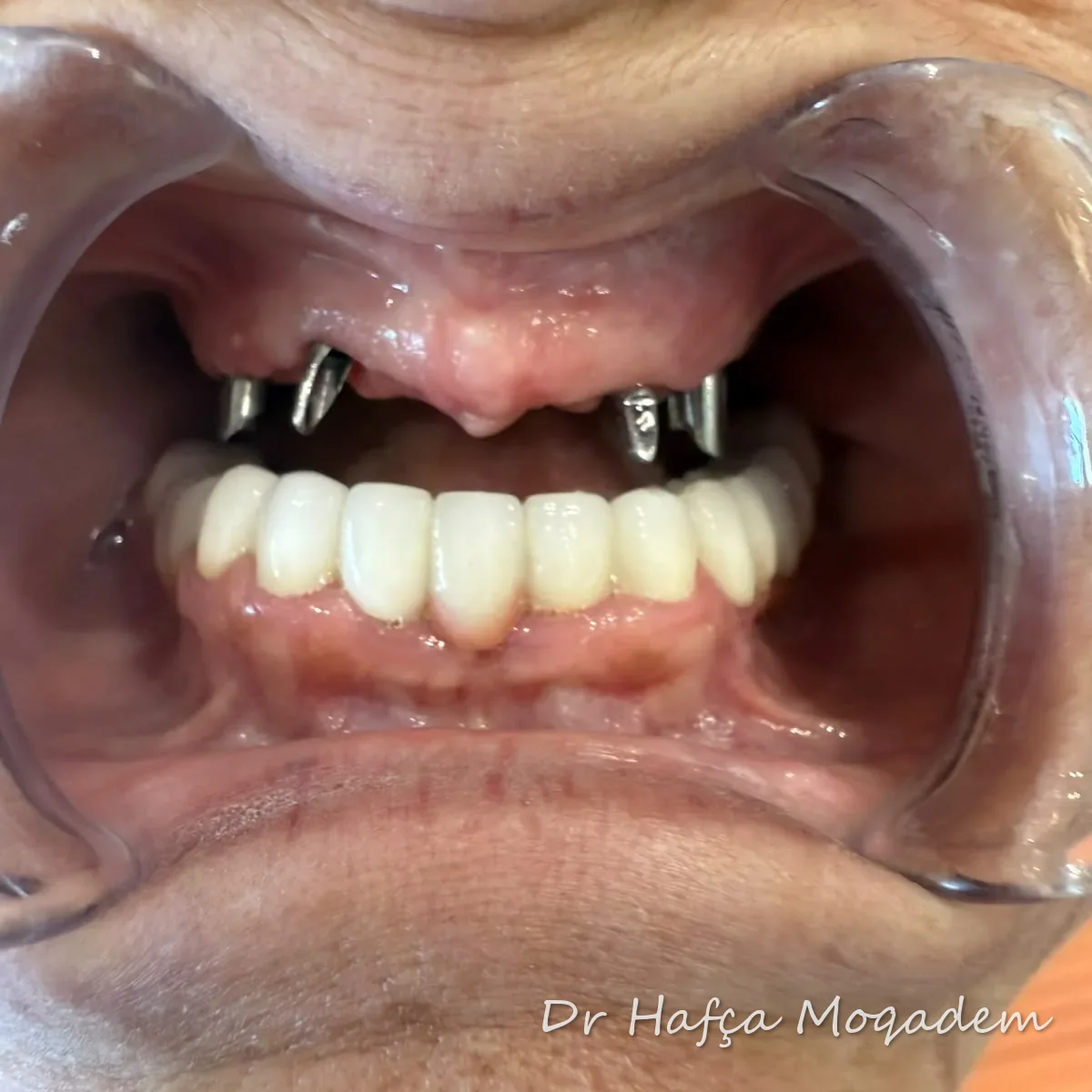 Before
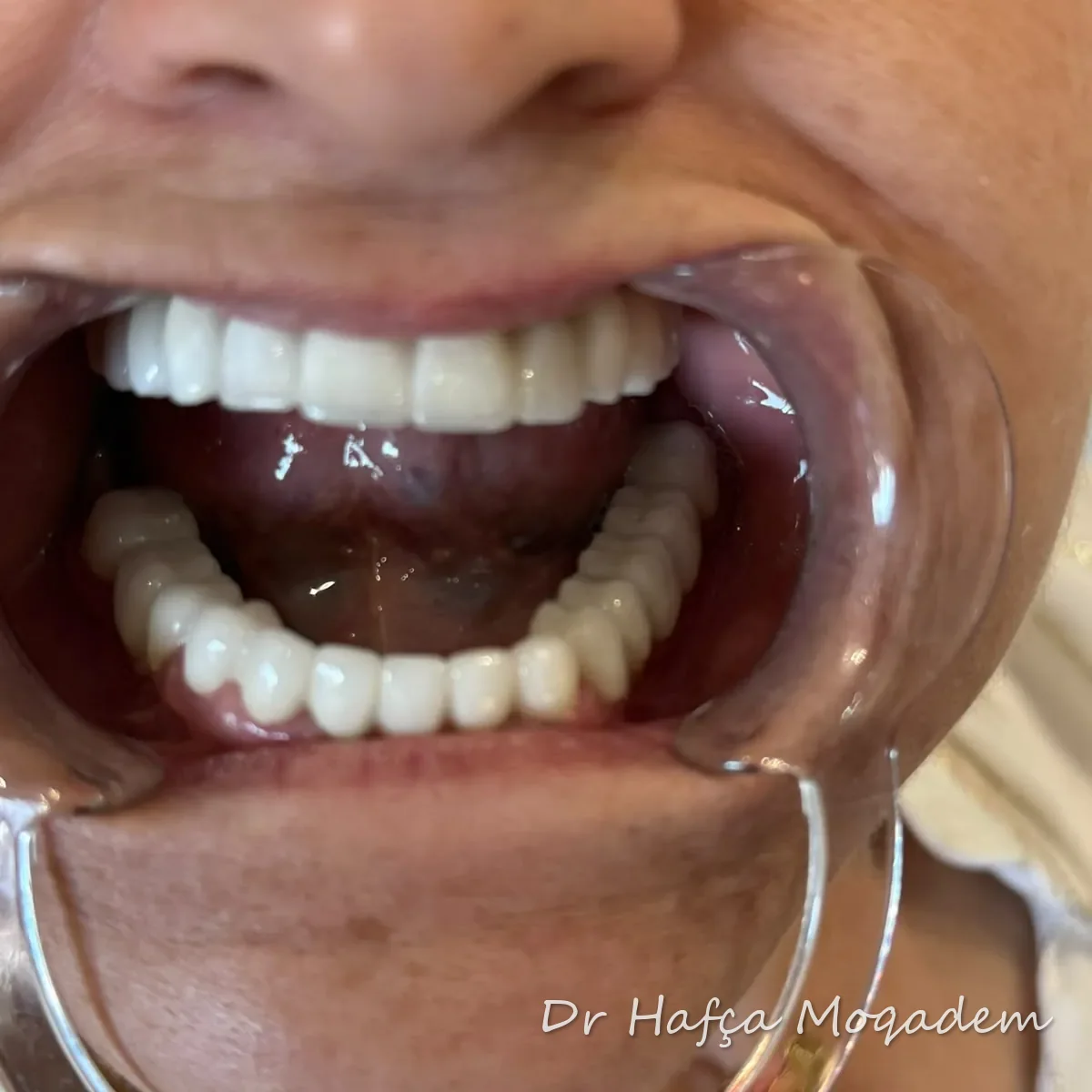 After
Real case from the clinic All-on-6, another patient of the clinic: the implants in place, then the fixed arch. See the cases: All-on-4 / All-on-6
The American Dental Association suggests noticing, on a first visit, whether the practice feels welcoming, comfortable and neat. You can ask how instruments are cleaned and sterilised between patients: a clear answer is reassuring. Also ask whether your medical and dental history is recorded in a file that is kept, which helps with follow-up. Dental X-rays involve very low doses, and how often you need them depends on your age, your risk and your symptoms, not on a fixed rule. If you have recent X-rays, bring them along: they may avoid the need for new ones.
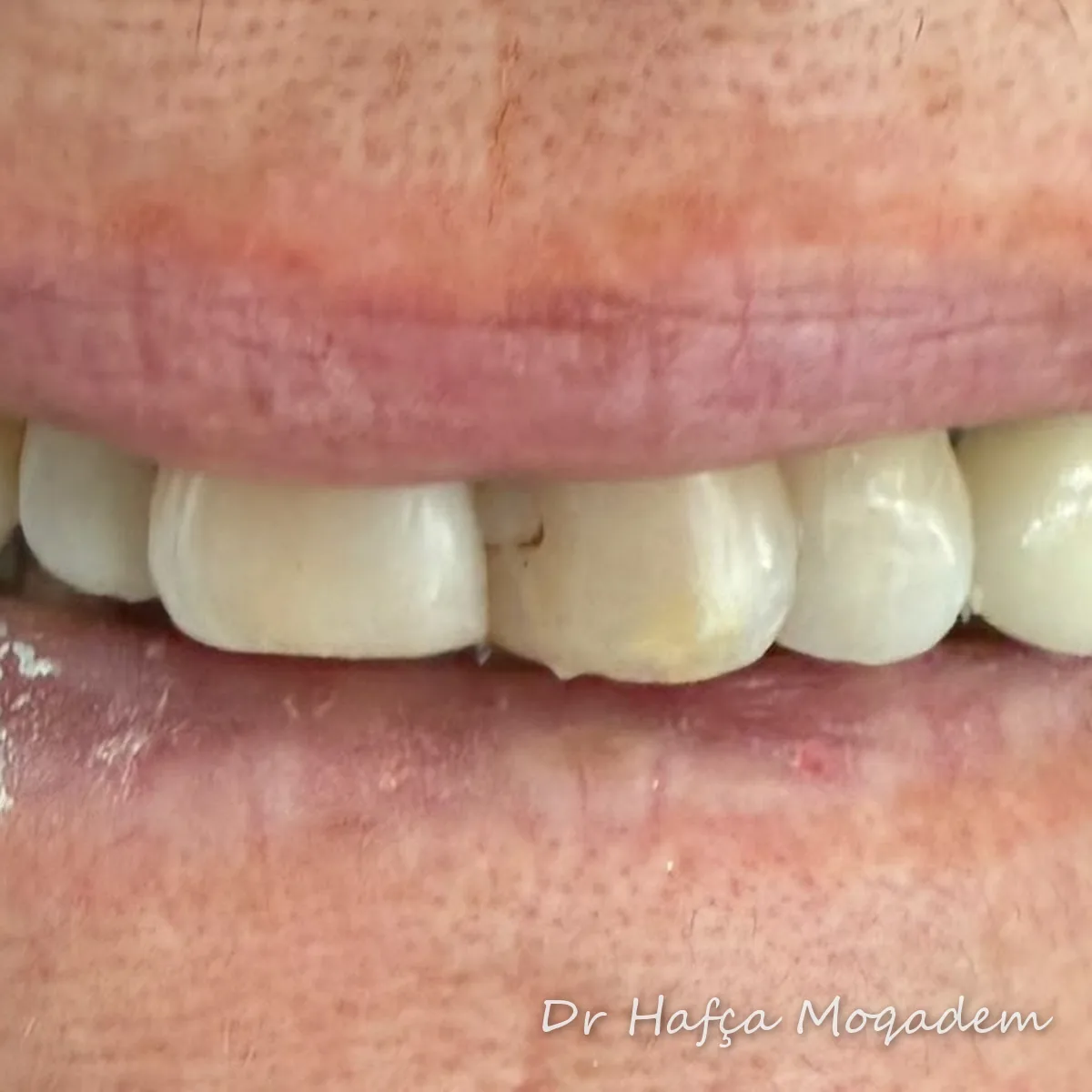 Before
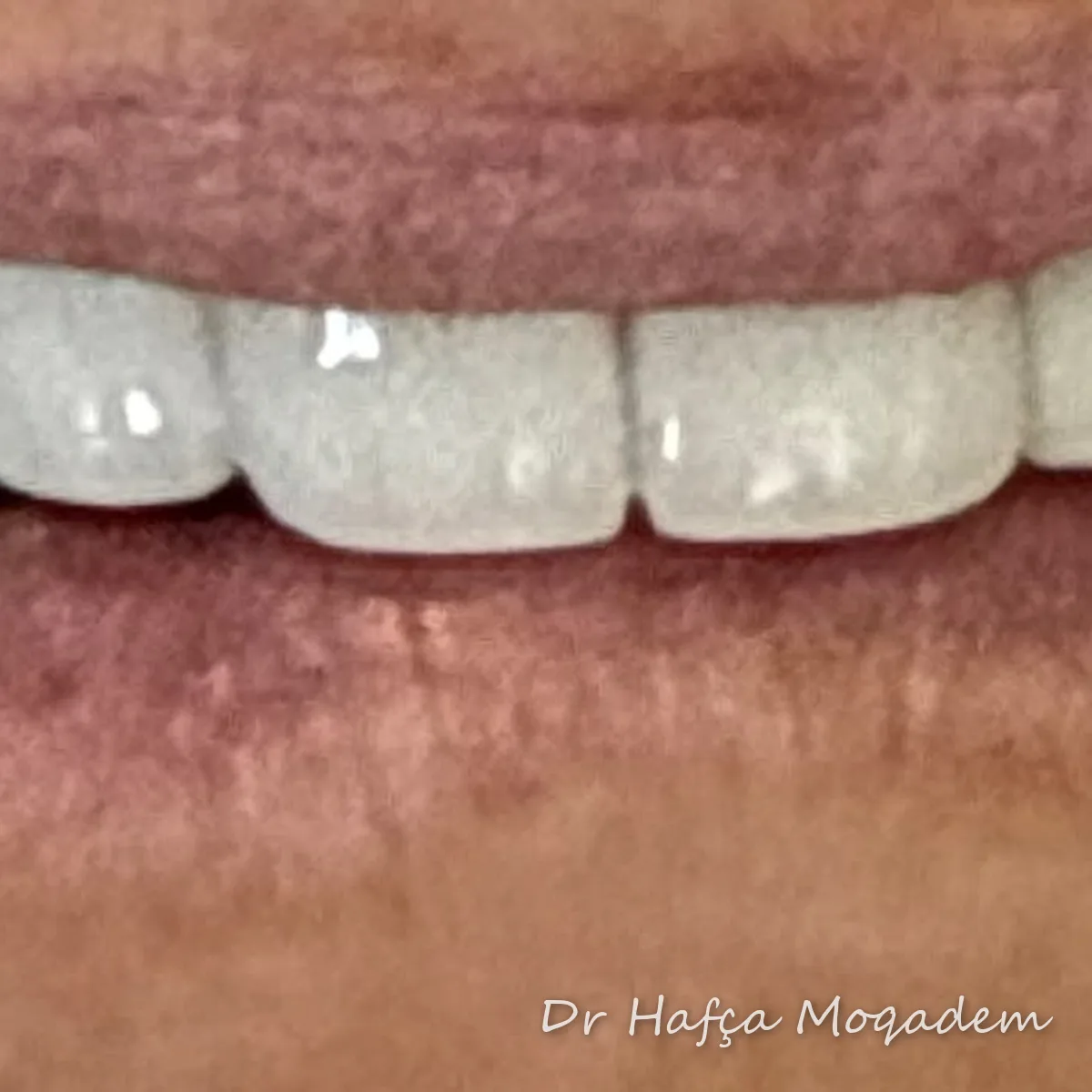 After
Real case from the clinic Dental veneers, another patient of the clinic before and after. See the cases: Dental veneers
Practical criteria matter for treatment spread over several visits. The American Dental Association lists distance from home or work, opening hours, whether your cover is accepted and being able to communicate in your language. In Marrakech, ask whether explanations can be given in French, Arabic or English, depending on your needs. Also ask how the practice deals with an emergency outside opening hours, and who to contact if you have pain after treatment. If you live abroad or in another city, ask how follow-up will be organised between visits.

Recommendations from people you know and online reviews give an idea of the welcome, punctuality and the way things are explained. They say nothing about the diagnosis in your case. A high rating does not replace a consultation, and a single negative review does not sum up a practice. Be cautious about before-and-after photos without context, promises of results and figures quoted without an examination. To compare two proposals, look at the treatments included, the number of visits, the materials, the planned follow-up and what happens if there is a complication, rather than a single figure.
 Before
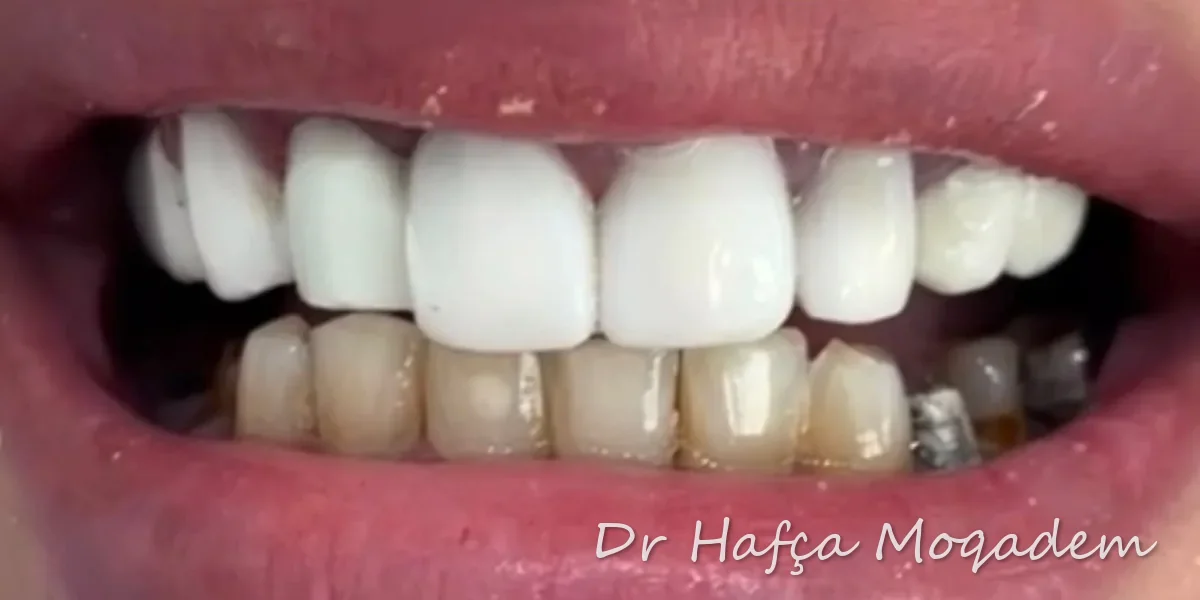
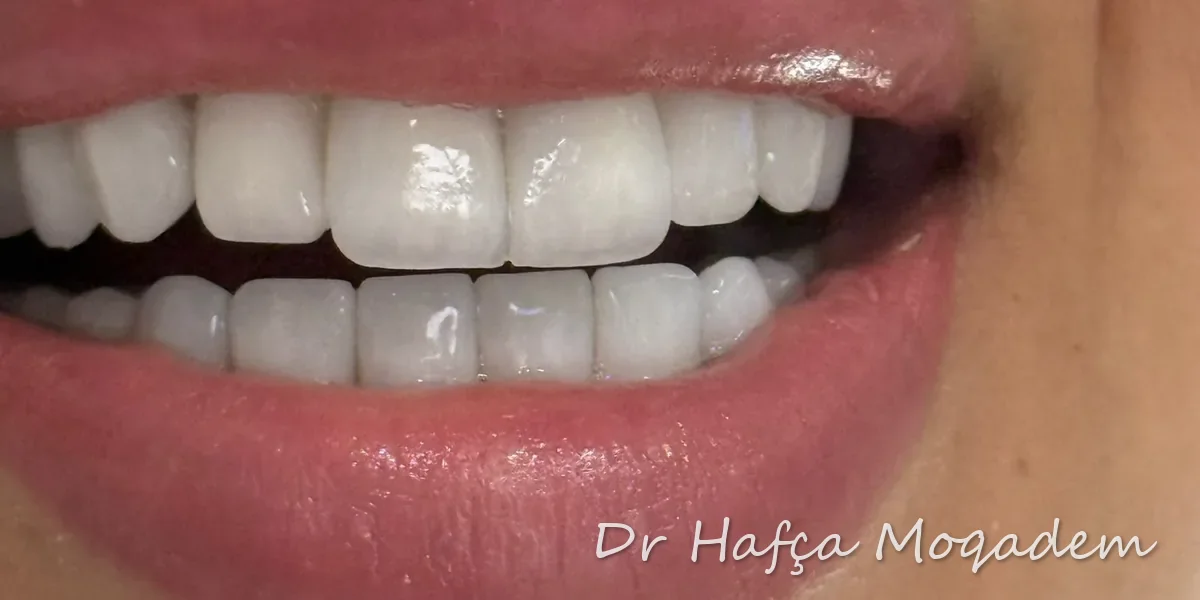 After
Real case from the clinic Dental veneers, a patient of the clinic before and after. See the cases: Dental veneers
Choosing a dentist also means choosing follow-up. The NHS says the time between check-ups can vary from 3 months to 2 years depending on the health of your teeth and gums, and that people with good oral health may only need a check-up every 12 to 24 months. A summary from the UK's NIHR, published in 2021, found no benefit from six-monthly check-ups compared with risk-based intervals for low-risk adults. Ask your dentist which interval suits you, and keep your reports and X-rays.
The visual guide
Principles to help you prepare your questions. The assessment makes it possible to know what suits your situation.
| Item | Principle | To clarify at the clinic |
|---|---|---|
| Examine | Listen to your discomfort and examine the mouth. | Additional tests are offered if necessary. |
| Explain | Compare the options and their limits. | The treatment depends on the diagnosis and on your expectations. |
| Follow up | Check the treatment and adapt your routine. | The follow-up schedule is personalised. |
A daily guide
The NHS recommends about 2 minutes of brushing, twice a day, with a fluoride toothpaste.
Source: NHS, How to keep your teeth clean. A prevention guide, with no prediction of an individual result.
Your next appointment
Choose the questions you would like to ask. Your choices stay on this page and are neither saved nor sent.
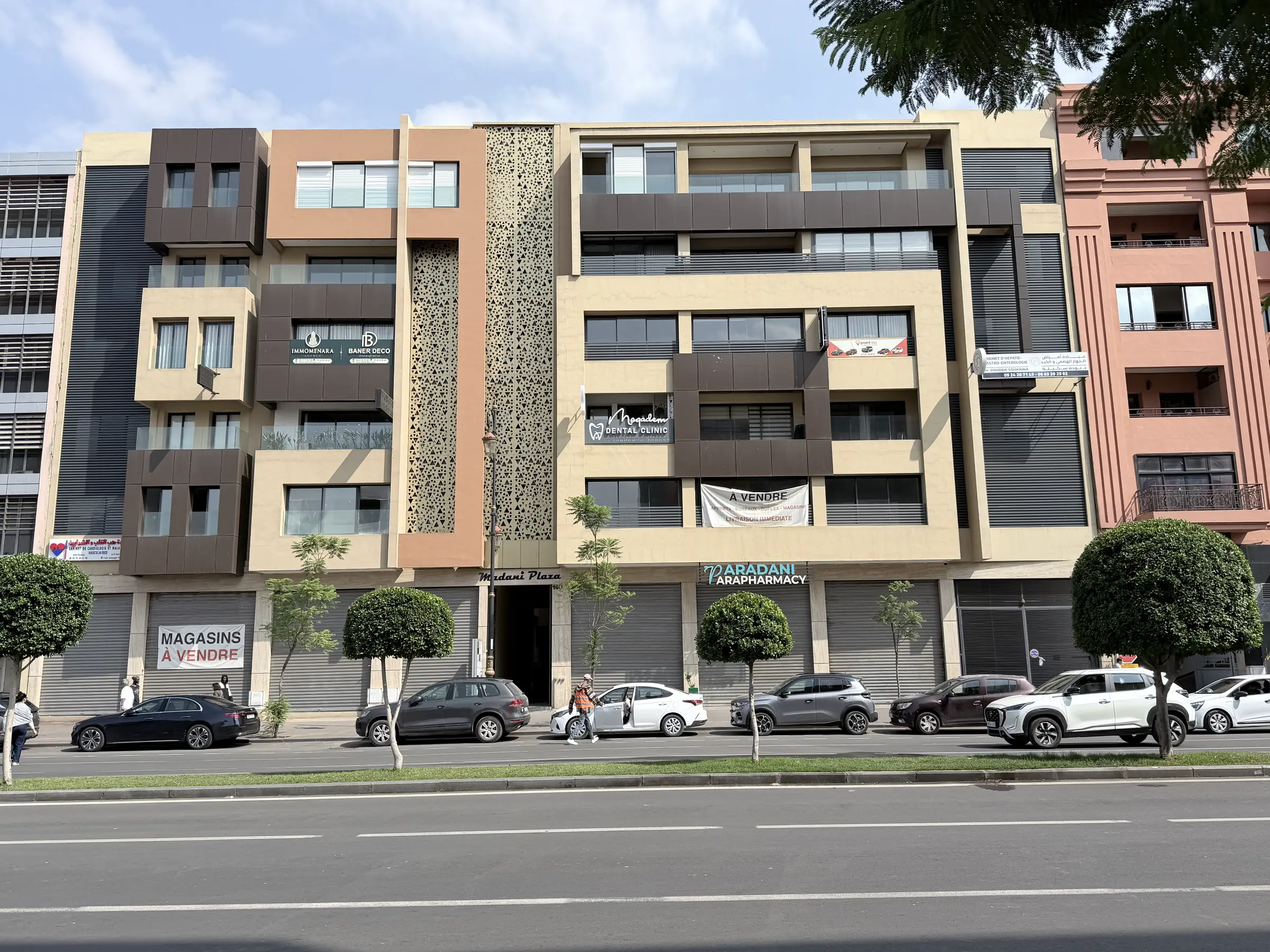
Guéliz clinic, Marrakech
An article does not replace an examination. At the clinic, Dr Hafça Moqadem examines you, explains the options and gives you a written plan before any treatment.
Call the clinic, write to us on WhatsApp, or choose a day and a time yourself: your request reaches the clinic's WhatsApp and they will confirm the appointment.
2nd floor, No. 180 Madani Plaza, Boulevard Abdelkrim Al Khattabi, Guéliz, Marrakech
Sugar, acidity, when to brush and fluoride toothpaste: practical guidelines to protect your teeth when you have sugary drinks.
Read the articleToothache usually comes from decay or its consequences, but it can also signal an abscess, a crack, sinusitis, and rarely a problem that is not dental at all.
Read the articleWhere to look for a dental surgeon, which documents to bring and which questions to ask to make good use of your first consultation.
Read the articleBoth can move teeth, but they are not lived with in the same way. Compare them, then prepare the question that matters: which one suits your mouth?
Read the articleA small tooth, a chipped edge, a small gap: composite bonding may be one of the options. Here is how it works, what it does not do and how to prepare your appointment.
Read the articleA Hollywood smile is not a shade, it is an overall project. Understand what it changes, what it requires and how to decide calmly, with no promise of an identical smile for everyone.
Read the articleReplacing one or several teeth can be done in three very different ways. Understand what each one asks of you, day to day and at the clinic, before choosing.
Read the articleA quote alone is not enough to choose: here is what to prepare before the trip, check on arrival and organise for follow-up once you are back home.
Read the articleTo find out more about the general information in this article:
Hello. Choose a question below and the answer will appear here.