Sugary drinks and brushing, useful guidelines
Sugar, acidity, when to brush and fluoride toothpaste: practical guidelines to protect your teeth when you have sugary drinks.
Read the articleWhere to look for a dental surgeon, which documents to bring and which questions to ask to make good use of your first consultation.
Published by Dr Hafça Moqadem, Dental surgeon in Marrakech4 min read
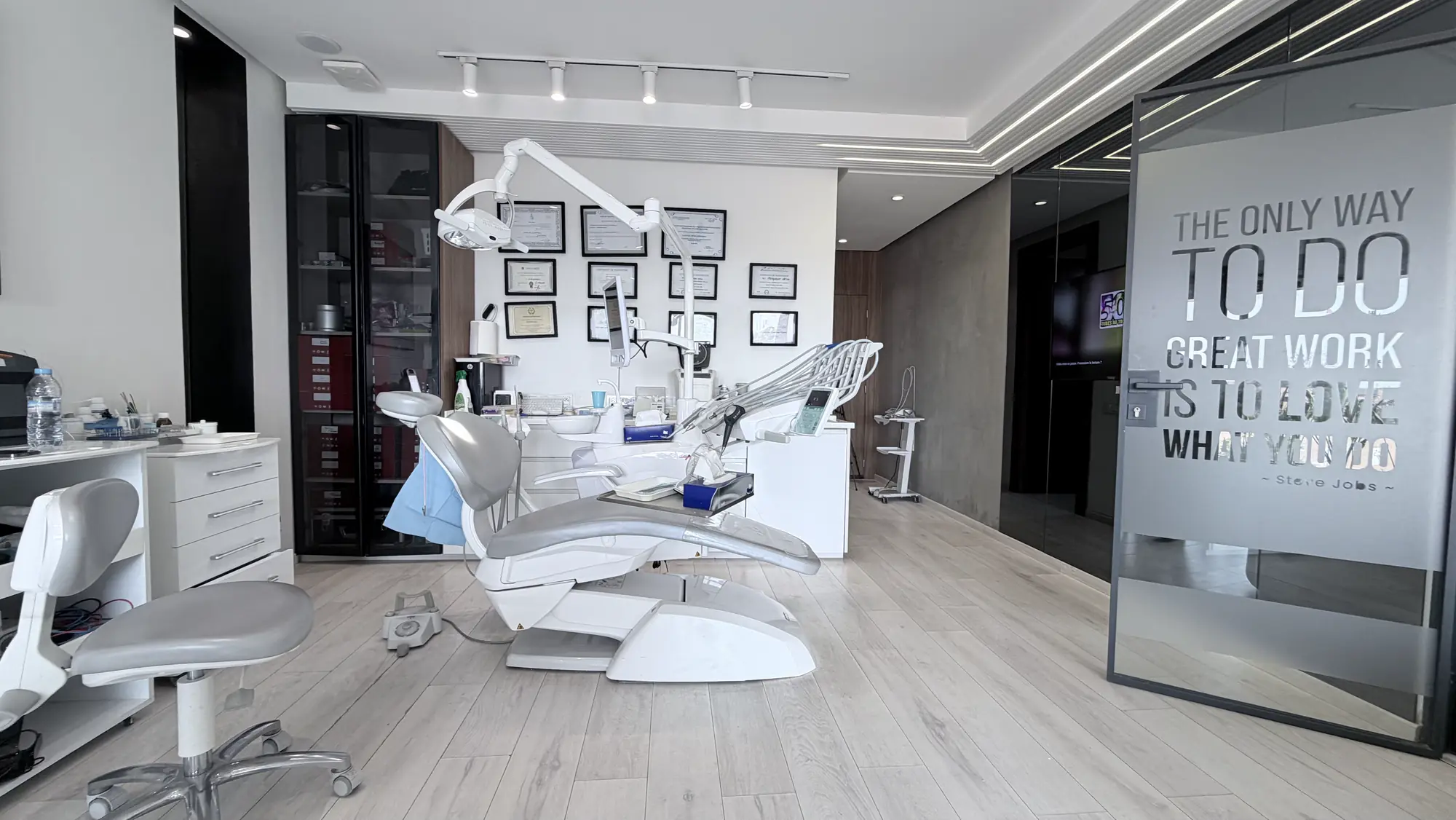
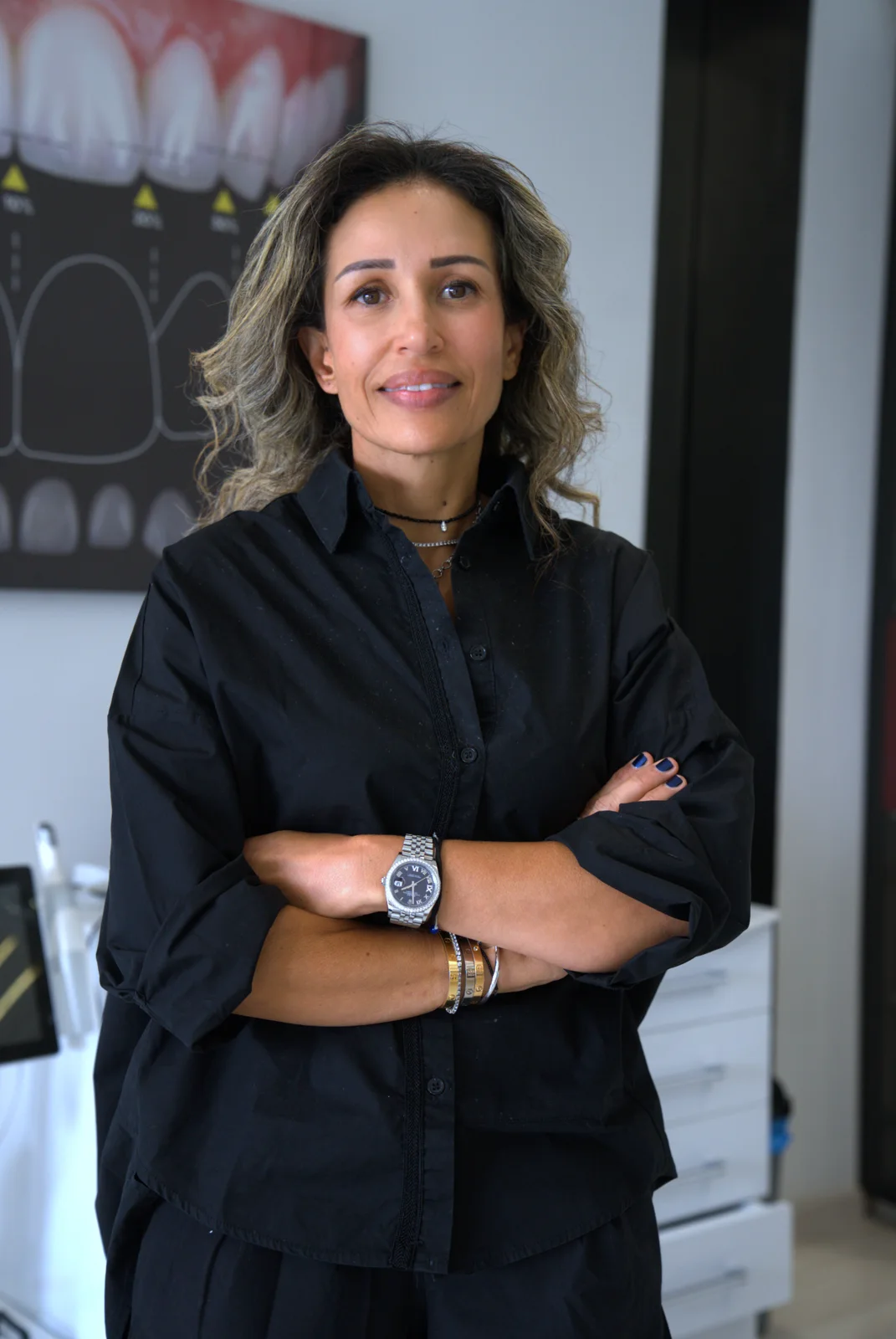
At the Guéliz clinic, Dr Hafça Moqadem carries out the consultation, the check-up and routine care herself. She shows you what she sees during the examination and on the X-rays before suggesting any treatment.
Looking for a dentist in Marrakech? Dr Hafça Moqadem welcomes you at Madani Plaza, Guéliz.
In Morocco, a dental surgeon, also called a dental practitioner, trains at a faculty of dental medicine and must be authorised to practise. The profession is represented by the National Order of Dental Practitioners (ONMD). At a meeting in Rabat in May 2026, its president said that the country has 12 faculties of dental medicine and trains more than 1,500 dentists a year, while also warning about illegal practice. All dental surgeons provide routine care, and some focus their work on orthodontics, periodontics, implant dentistry, children's dentistry or cosmetic dentistry. Ask which area the practitioner works in for your particular need.
Start with recommendations from people you know or from your doctor, then check the practice's public information: the practitioner's name, address, opening hours and contact details. The American Dental Association also suggests calling or visiting the practice before booking, to ask your questions and see how you are welcomed. Online directories and maps help you find a nearby practice, but check that the name shown is that of the practitioner who will actually treat you. If you rely on insurance or a mutual scheme, ask when you call how claim forms and reimbursement work.
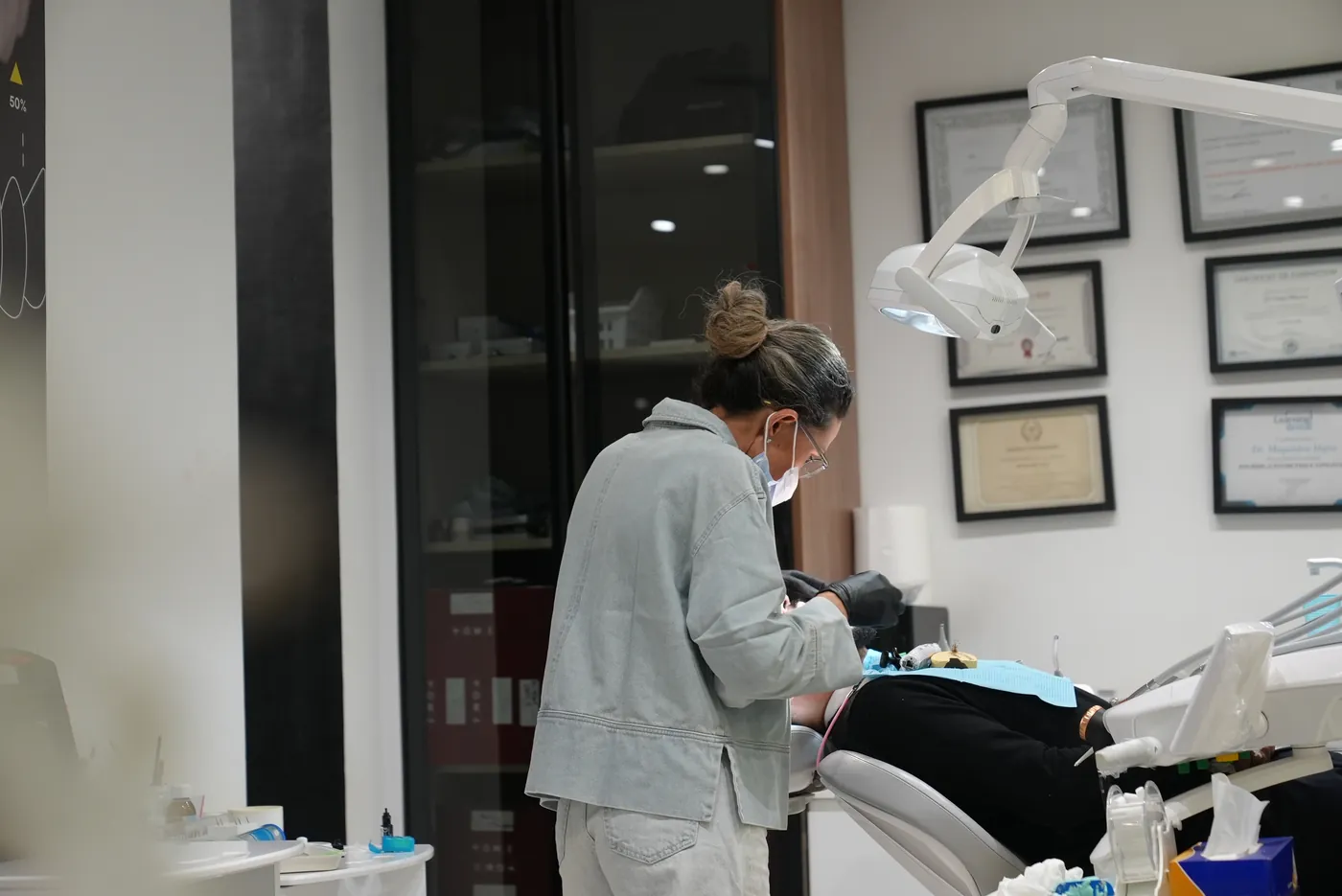
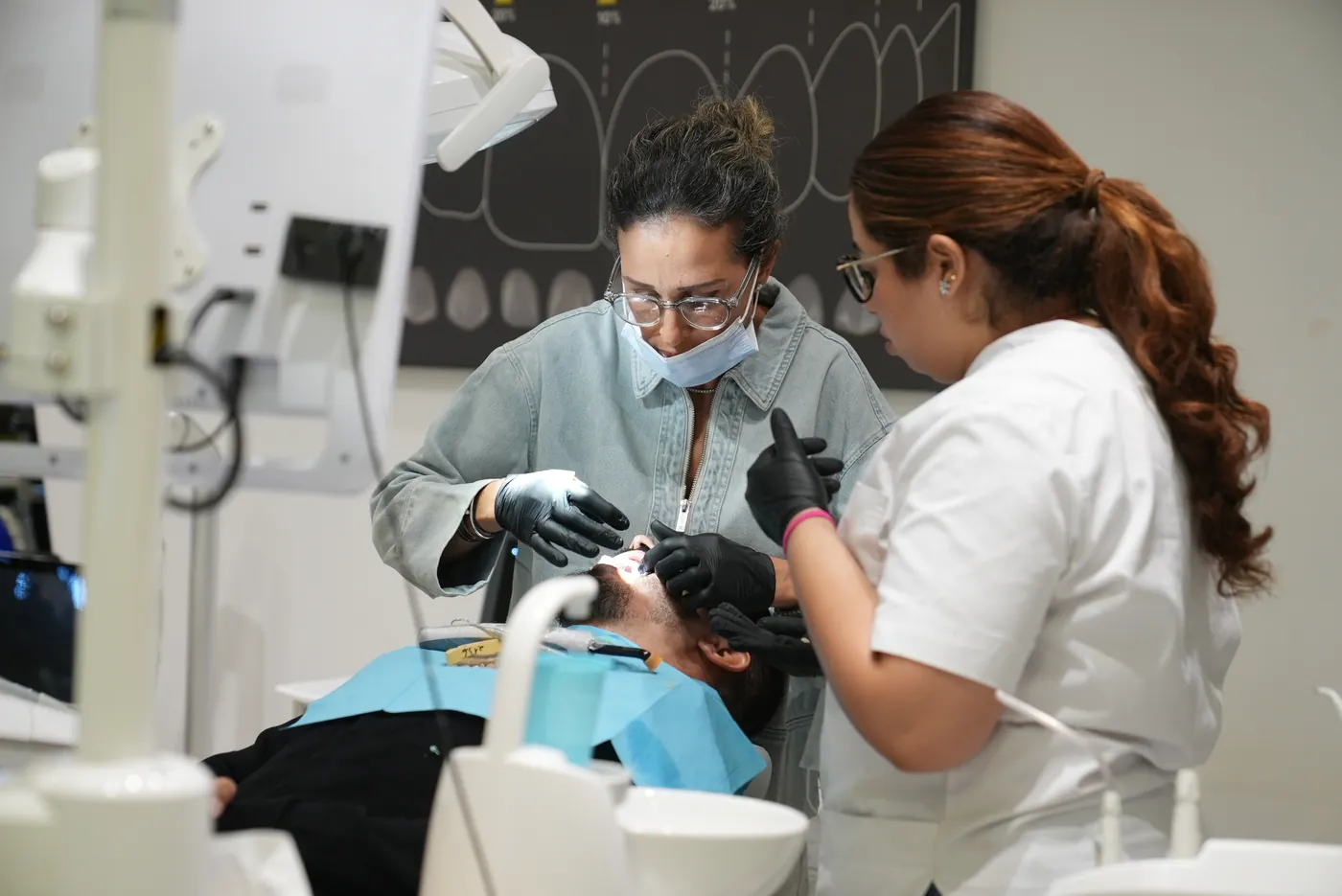
Write down your symptoms: since when, which tooth, what triggers the discomfort (cold, heat, chewing) and what you have already tried. Prepare a list of your medical conditions, current medicines and allergies, and mention if you are pregnant. Bring your recent dental X-rays and reports: the American Dental Association recommends bringing your dental records. Take proof of your health cover if you have it. Write your questions down in advance, and mention any difficult past experiences or anxiety: this helps the team adapt the appointment to you.
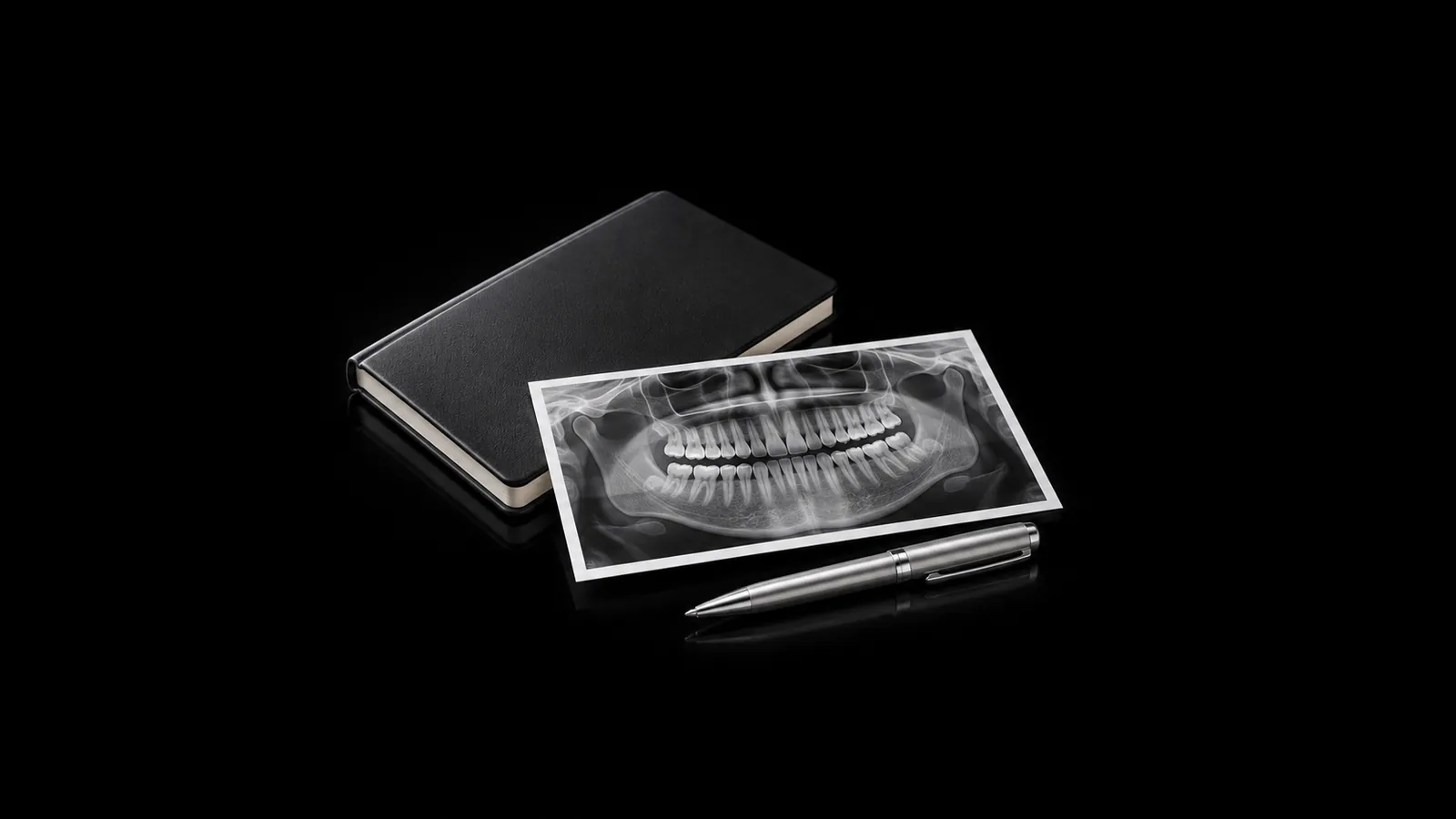
According to the NHS, the dentist examines your teeth, gums and whole mouth, asks about your general health and any recent dental problems, then about your diet, smoking, alcohol and cleaning habits. X-rays may be added when they are useful. The American Dental Association explains that they involve very low doses and that how often you need them depends on your age, your risk and your symptoms. For a new patient, they also act as a baseline for spotting later changes. For a more complex project, photos or impressions may be taken.
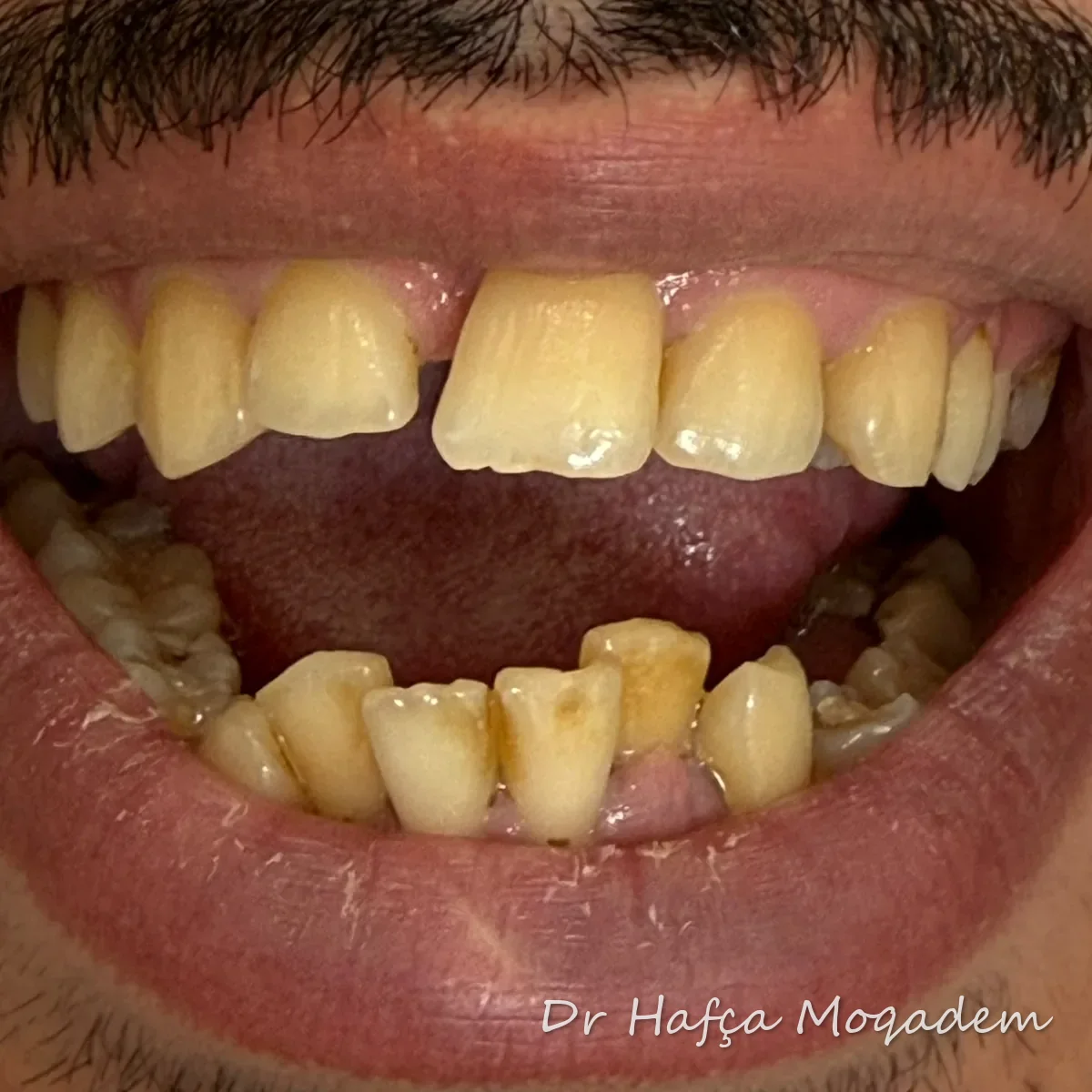 Before
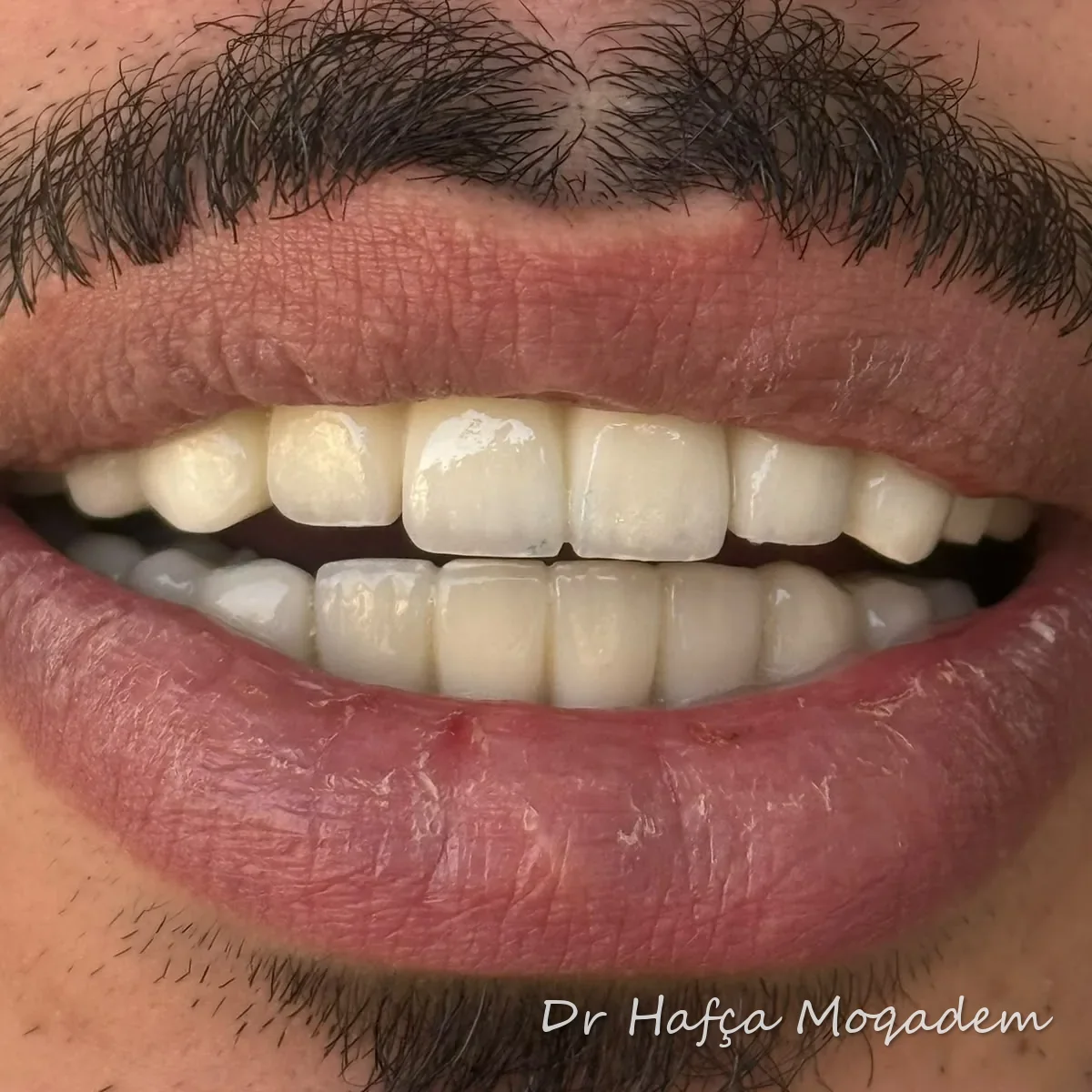 After
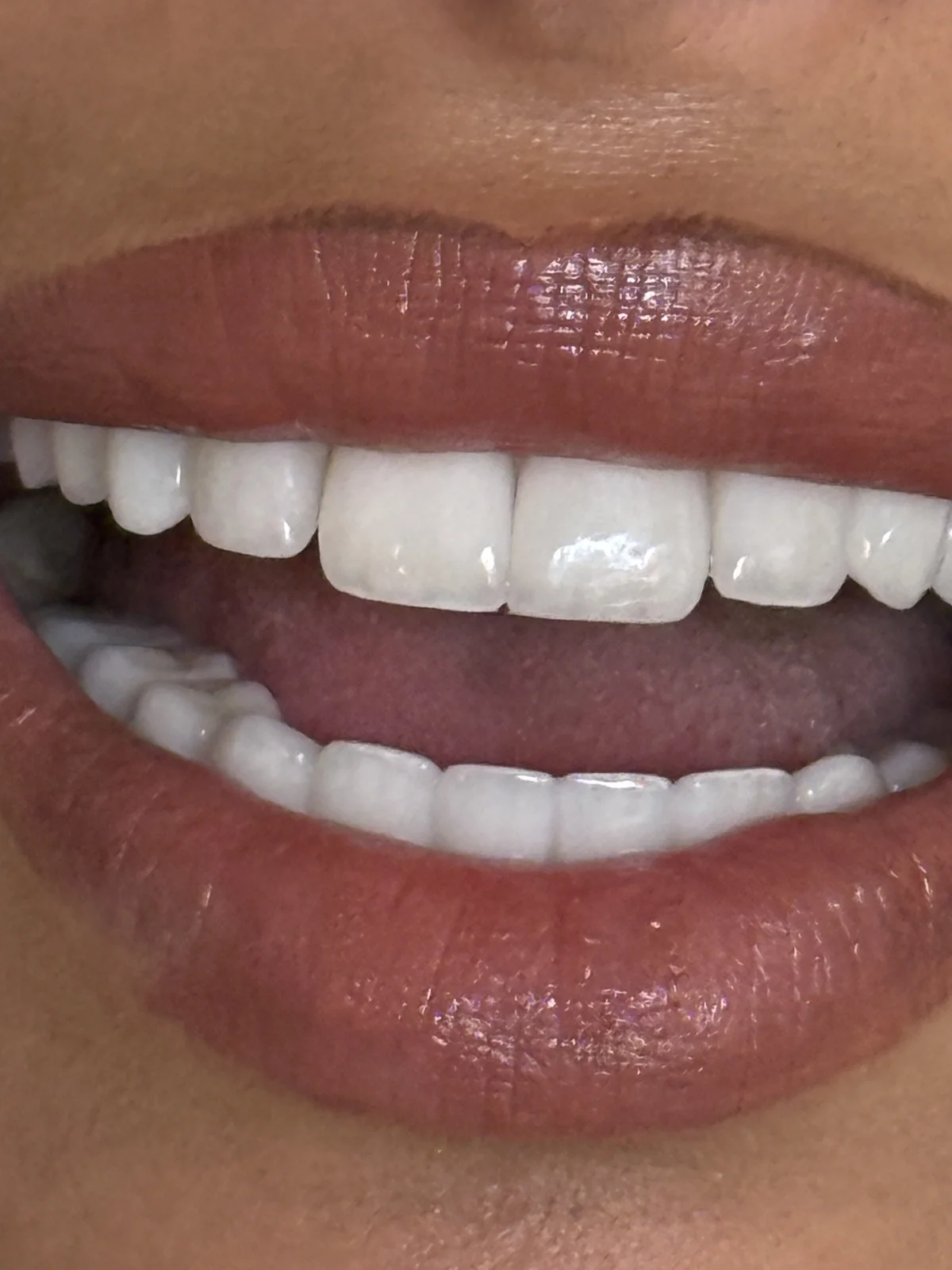
Real case from the clinic Hollywood smile, a patient of the clinic before and after. See the cases: Hollywood smile
The treatment plan should explain what has been found, the possible options and the order of the stages. As a rule, emergencies and getting the mouth healthy (decay, gums, infection) come before prosthetic or cosmetic work. Ask how many visits are planned, any healing times, what happens between stages and which temporary solutions are planned. Also ask which options keep your natural teeth, what constraints each one involves and what upkeep it will need afterwards. If a term is unclear, ask for it to be rephrased: you should be able to summarise the plan in your own words before you agree to it.
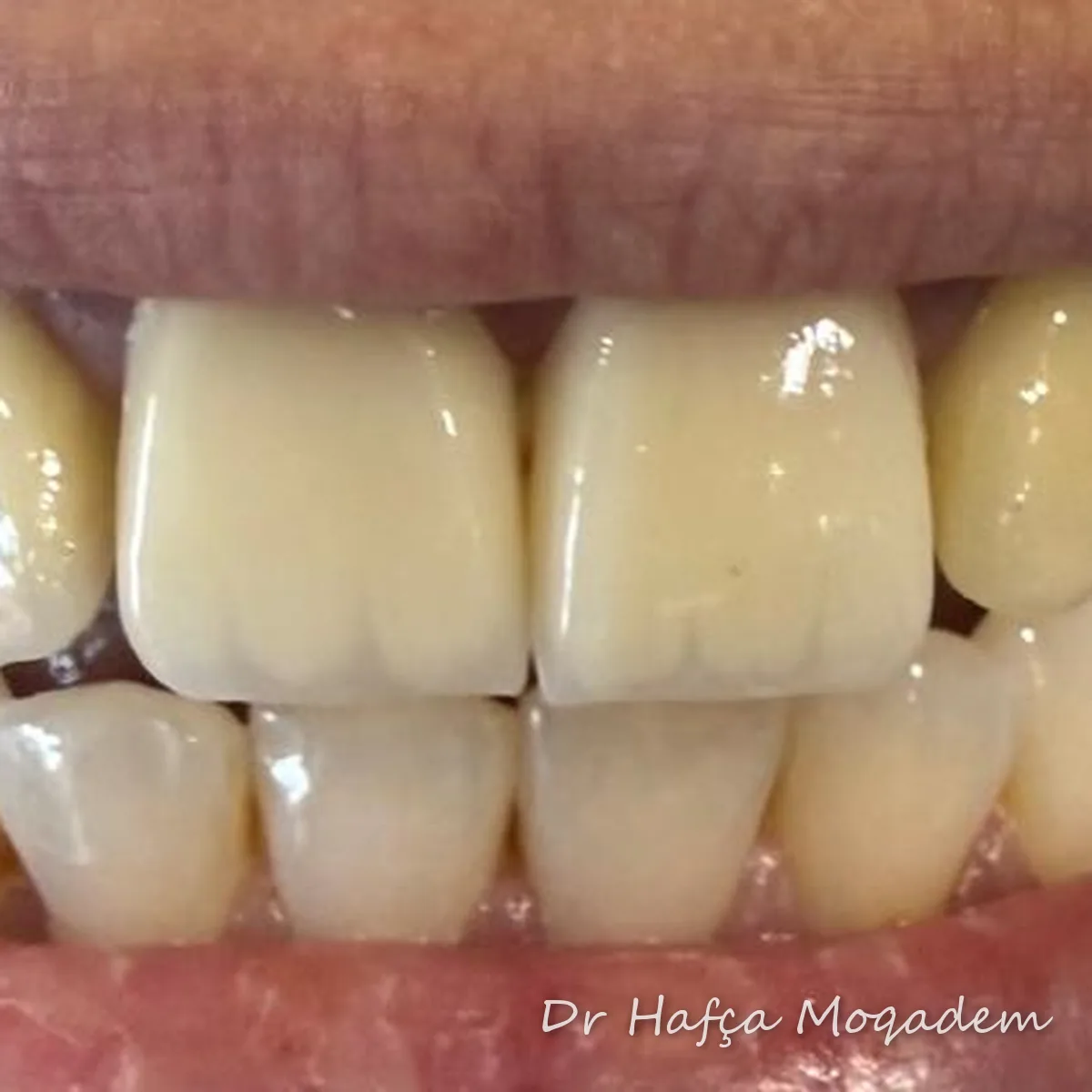 Before
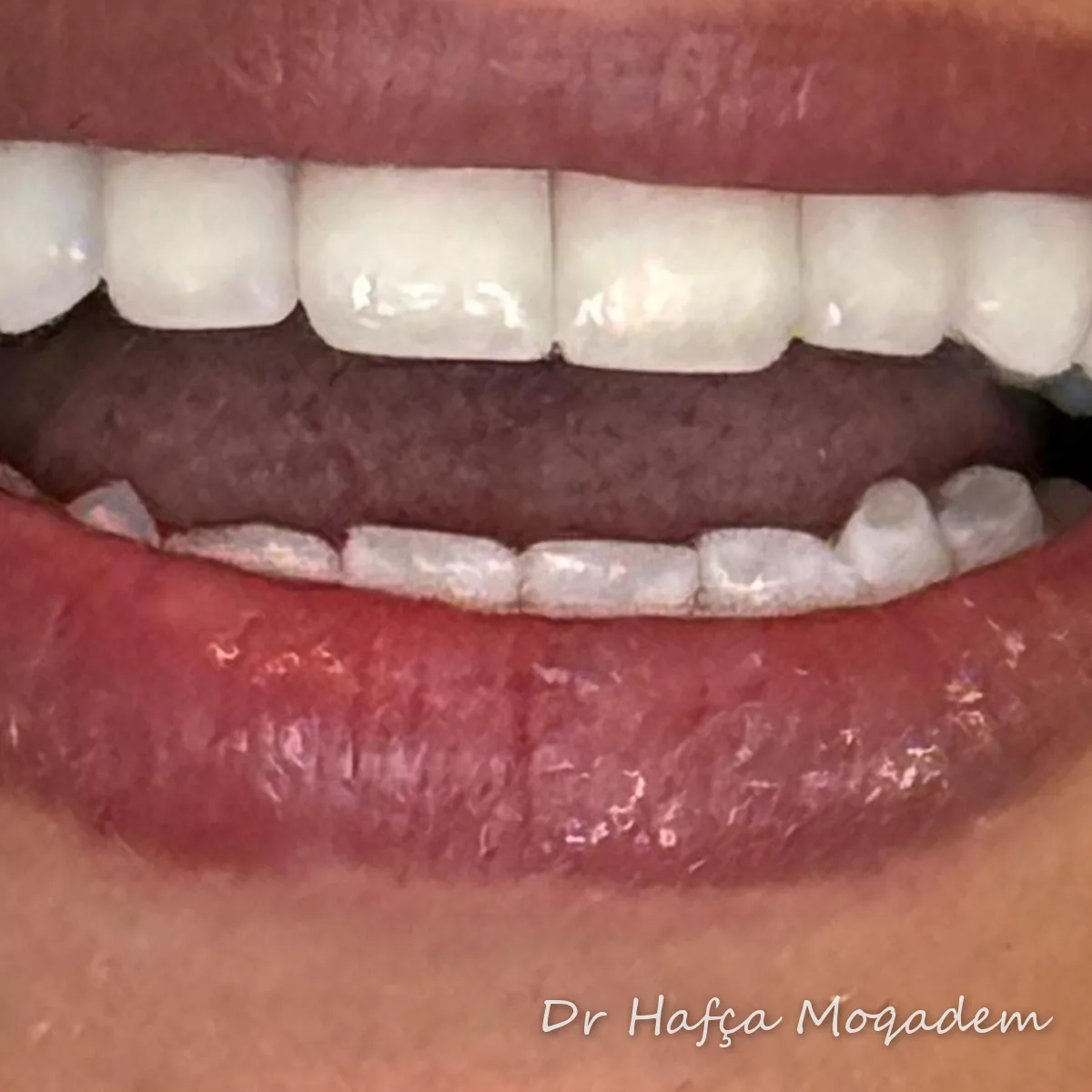 After
Real case from the clinic Aesthetic dentistry, a patient of the clinic before and after. See the cases: Cosmetic dentistry
For anything beyond a simple treatment, ask for a written quote after the examination. It should itemise the procedures, the materials, any laboratory work, the number of visits and the follow-up included. Ask what is not included, such as additional X-rays or a temporary denture. If you are covered by compulsory health insurance (AMO) or a mutual scheme, ask which procedures can be reimbursed, which documents are needed and whether prior approval is required for some procedures. Keep the quote, invoices and claim forms. Compare complete plans rather than single figures.
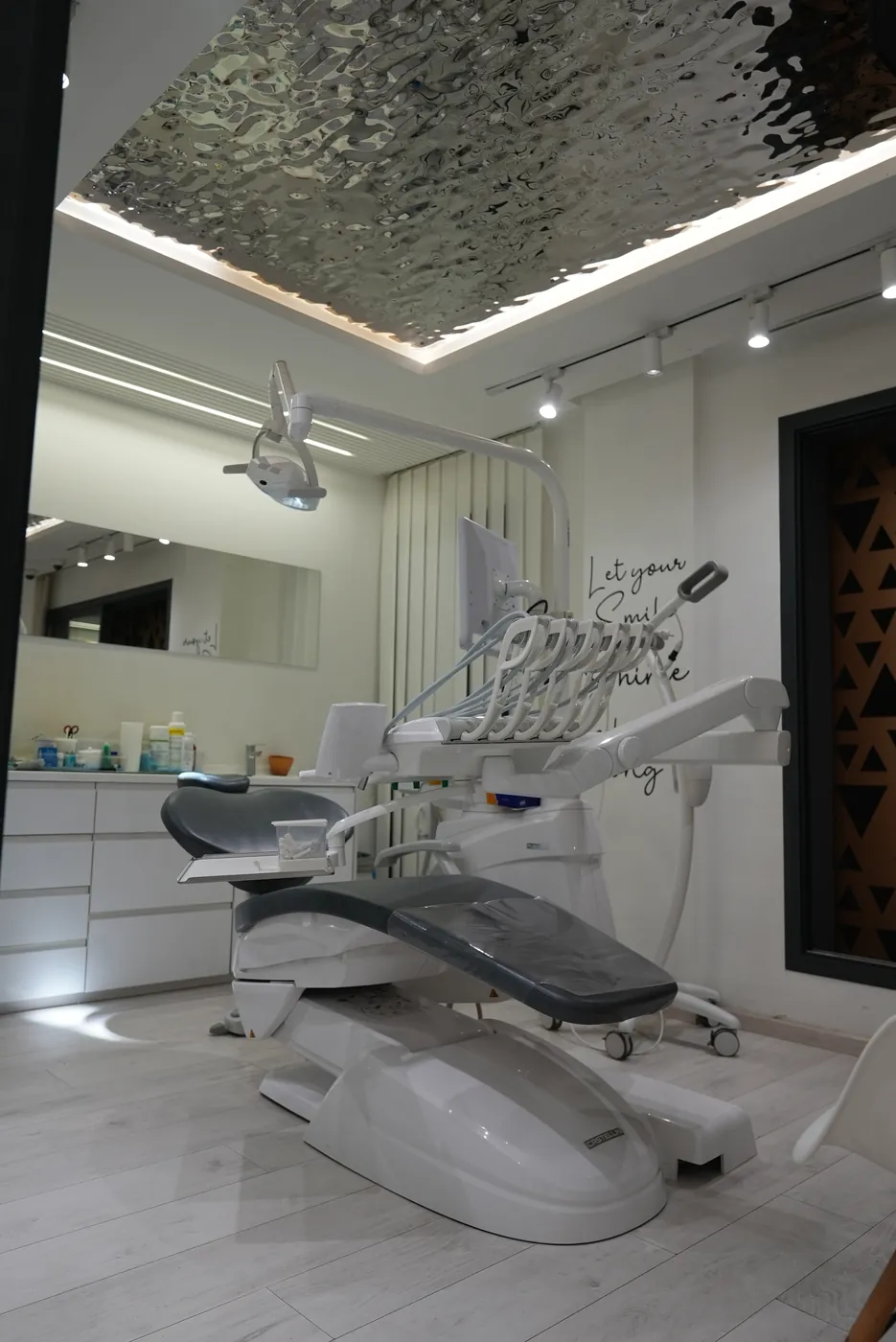
Dental treatment often takes place over several visits, sometimes with healing time in between. If you are coming from another city or from abroad, share your dates at the first contact and, if possible, send your recent X-rays in advance. Ask what can reasonably be done during your stay, what has to wait, and how follow-up will work once you are home: a planned return visit, remote contact or a hand-over to a dentist near you. Leave with a copy of your records, X-rays, treatment plan and written aftercare instructions.
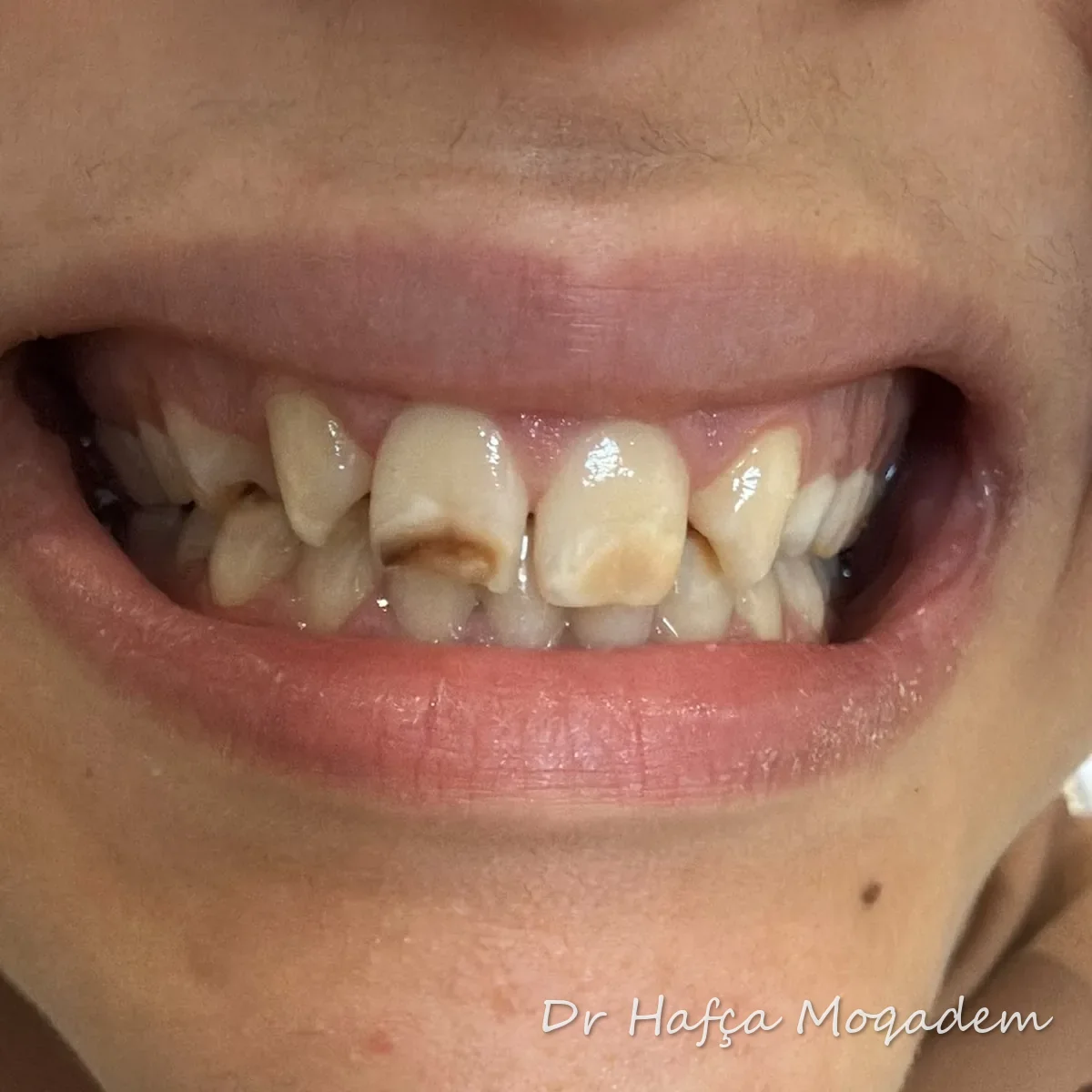 Before
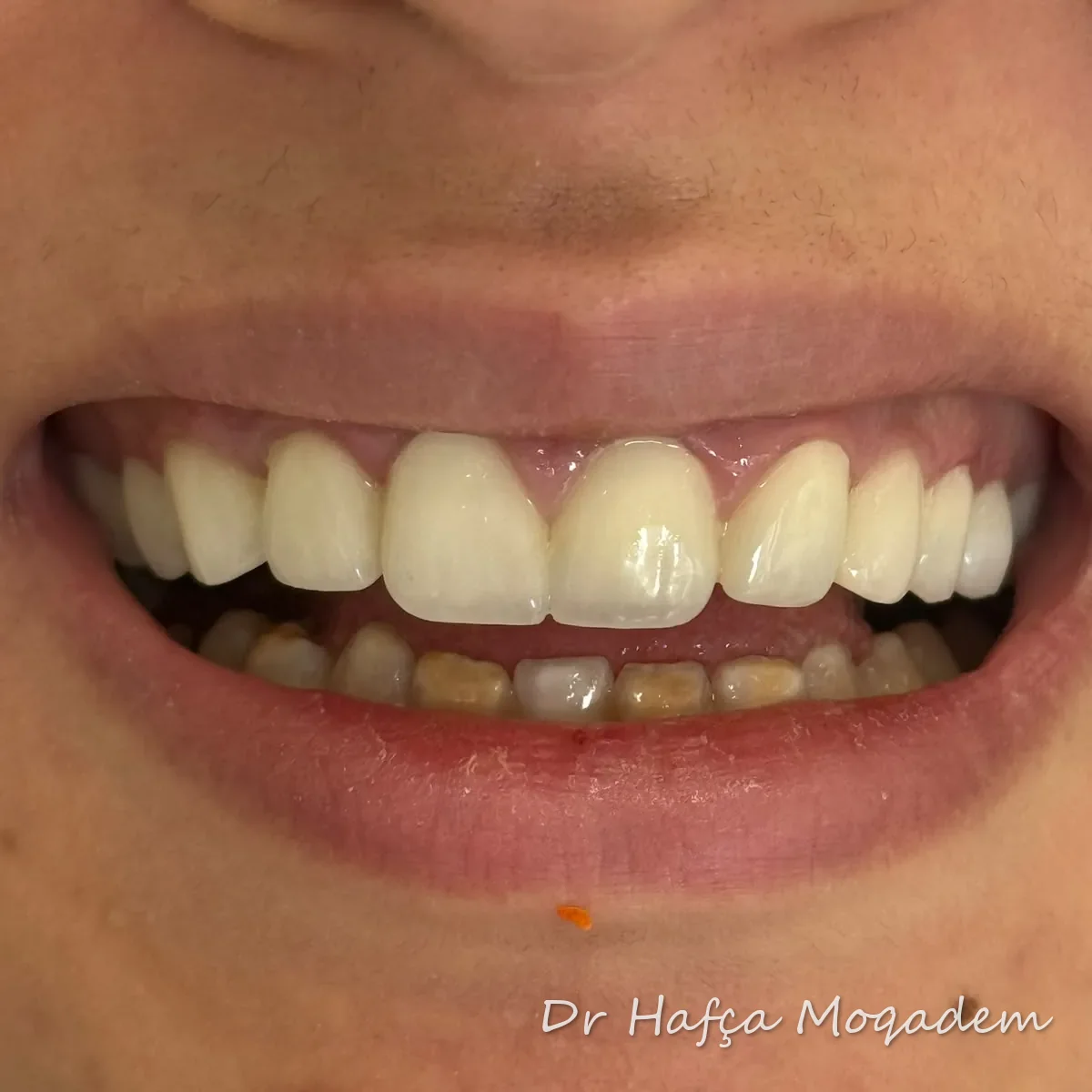 After
Real case from the clinic Hollywood smile, a patient of the clinic before and after. See the cases: Hollywood smile
The NHS says the time between check-ups can vary from 3 months to 2 years depending on the health of your teeth and gums; for under-18s it is usually shorter. Your dentist agrees this interval with you at the end of each check-up. Between visits, seek care promptly if you have swelling of the face or gums, pain that does not settle, a broken tooth or unusual bleeding. Keep the practice's contact details and ask how to reach the team if there is a problem after treatment. Regular follow-up helps catch problems early and keep treatment simple.
The visual guide
Principles to help you prepare your questions. The assessment makes it possible to know what suits your situation.
| Item | Principle | To clarify at the clinic |
|---|---|---|
| Examine | Listen to your discomfort and examine the mouth. | Additional tests are offered if necessary. |
| Explain | Compare the options and their limits. | The treatment depends on the diagnosis and on your expectations. |
| Follow up | Check the treatment and adapt your routine. | The follow-up schedule is personalised. |
A daily guide
The NHS recommends about 2 minutes of brushing, twice a day, with a fluoride toothpaste.
Source: NHS, How to keep your teeth clean. A prevention guide, with no prediction of an individual result.
Your next appointment
Choose the questions you would like to ask. Your choices stay on this page and are neither saved nor sent.

Guéliz clinic, Marrakech
An article does not replace an examination. At the clinic, Dr Hafça Moqadem examines you, explains the options and gives you a written plan before any treatment.
Call the clinic, write to us on WhatsApp, or choose a day and a time yourself: your request reaches the clinic's WhatsApp and they will confirm the appointment.
2nd floor, No. 180 Madani Plaza, Boulevard Abdelkrim Al Khattabi, Guéliz, Marrakech
Sugar, acidity, when to brush and fluoride toothpaste: practical guidelines to protect your teeth when you have sugary drinks.
Read the articleToothache usually comes from decay or its consequences, but it can also signal an abscess, a crack, sinusitis, and rarely a problem that is not dental at all.
Read the articleThere is no official ranking of dentists. Here are practical criteria for choosing a practitioner who suits your needs, and the questions to ask.
Read the articleBoth can move teeth, but they are not lived with in the same way. Compare them, then prepare the question that matters: which one suits your mouth?
Read the articleA small tooth, a chipped edge, a small gap: composite bonding may be one of the options. Here is how it works, what it does not do and how to prepare your appointment.
Read the articleA Hollywood smile is not a shade, it is an overall project. Understand what it changes, what it requires and how to decide calmly, with no promise of an identical smile for everyone.
Read the articleReplacing one or several teeth can be done in three very different ways. Understand what each one asks of you, day to day and at the clinic, before choosing.
Read the articleA quote alone is not enough to choose: here is what to prepare before the trip, check on arrival and organise for follow-up once you are back home.
Read the articleTo find out more about the general information in this article:
Hello. Choose a question below and the answer will appear here.