Usually not: a ceramic veneer needs a little enamel removed, and enamel does not grow back. A veneer can be repaired or replaced, but you cannot go back to the original tooth.
Published by Dr Hafça Moqadem, Dental surgeon in Marrakech4 min read
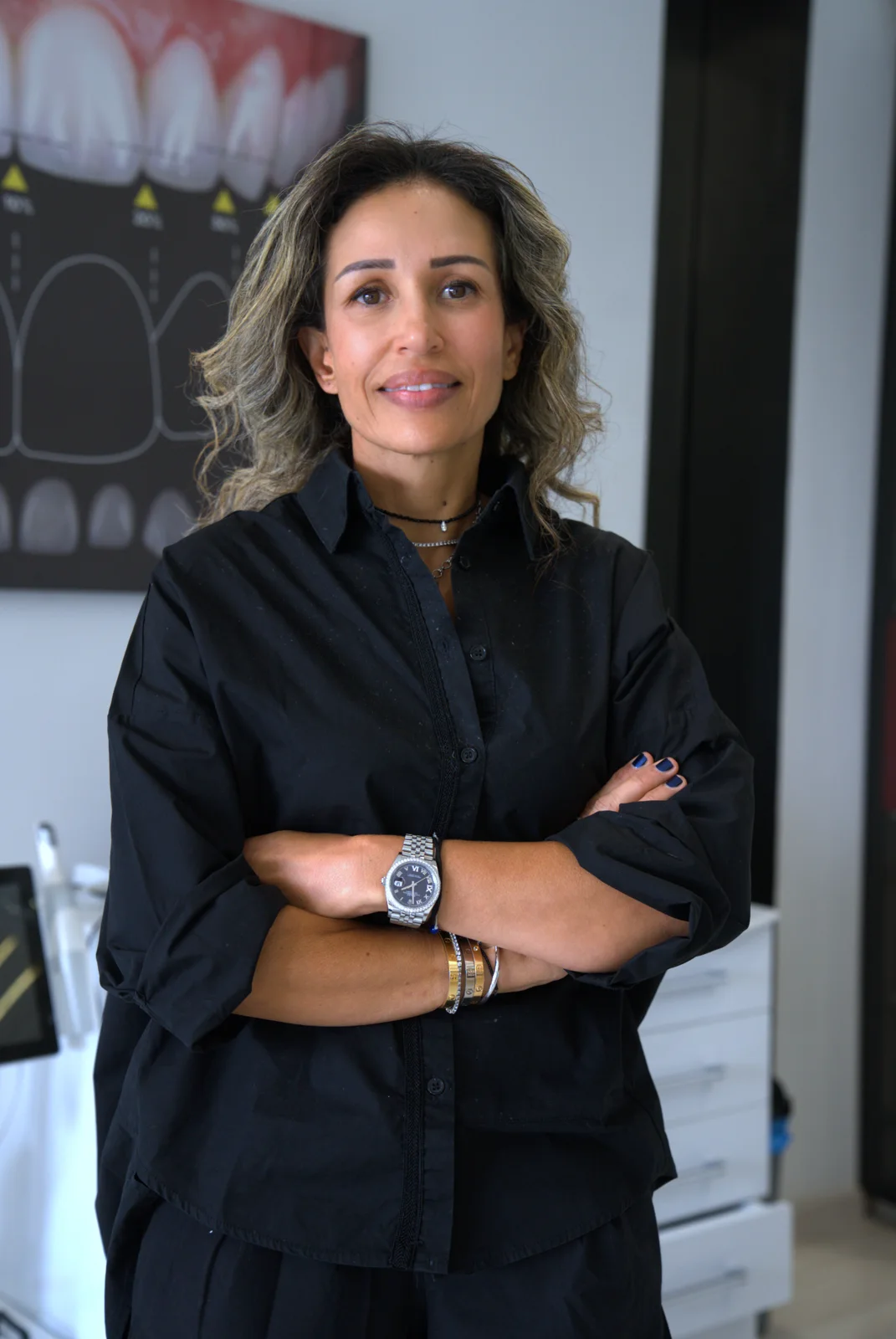
Trained in aesthetic veneers at the Institut de la Facette in Marseille, Dr Moqadem carries out veneers, whitening and smile design. Each plan starts from your face and your smile, and you approve it before any treatment.
Certificate in aesthetic veneers from the Institut de la Facette, Marseille.
Doctor of dental surgery (state diploma).
Former attaché at Beth Israel Hospital, stomatology department, New York.
CFI graduate in implantology and oral periodontology, Paris V Faculty of Medicine.
Certificate in advanced surgery from the Collège Américain de Paris.
Certificate in clear aligner orthodontics from the Centre de Sourire de Paris.
Certificate in dental and medical emergencies, Paris V.
Certificate in botulinum toxin and hyaluronic acid injections, Paris.
Most veneers are not reversible, because some enamel is removed.
A veneer is repaired or replaced over the years.
Composite, minimal-prep veneers and a trial mock-up reduce the commitment.
The short answer
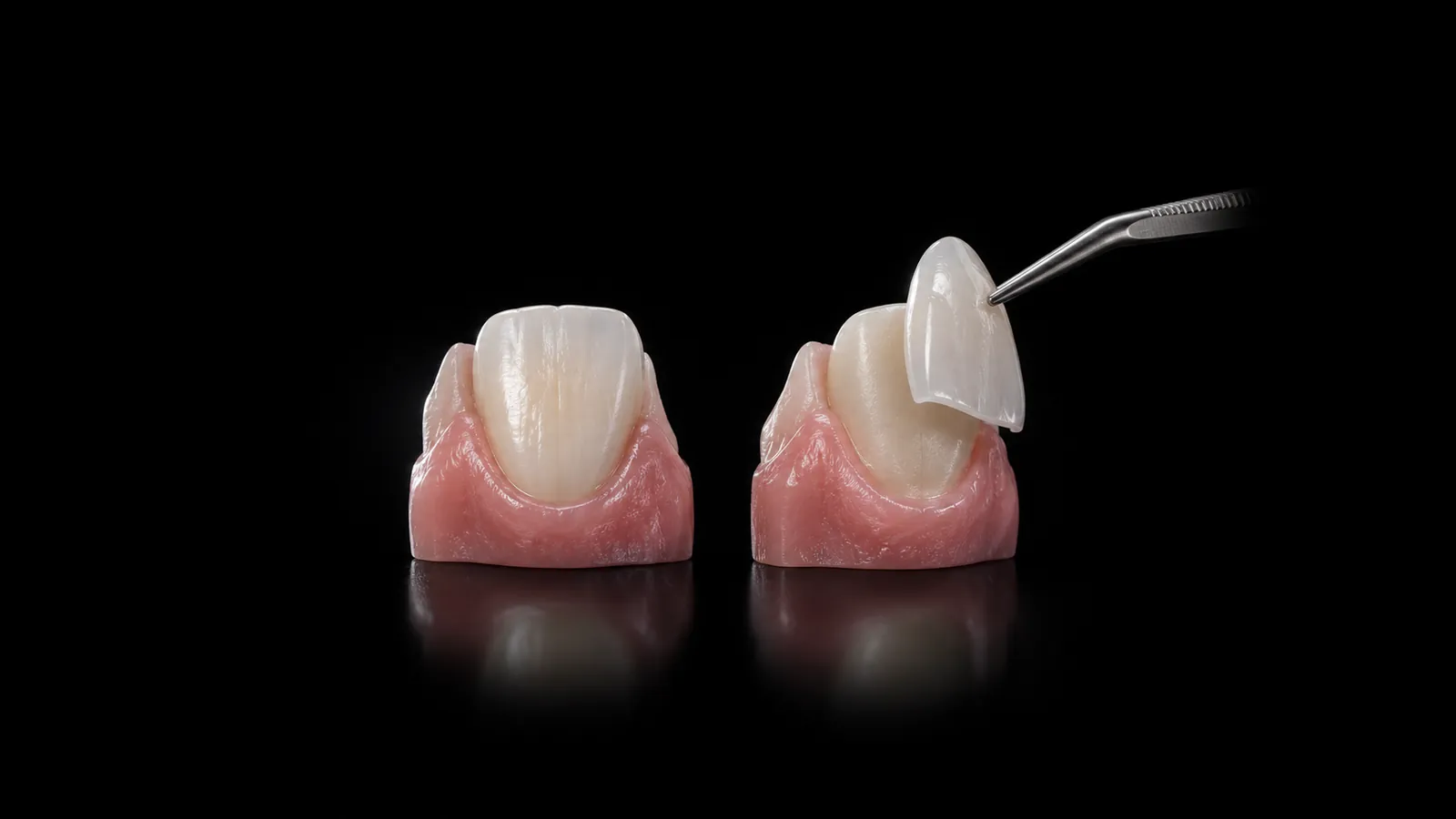
In most cases, no. The ADA explains that treatment is not reversible because some tooth enamel is removed to place a veneer. Cleveland Clinic adds that most types of veneers are permanent, with the exception of some no-prep or minimal-prep veneers. Once enamel is removed it does not grow back: the tooth will always need a veneer or another restoration. That is why the decision should be made after an examination, a clear explanation of what will be done and, where possible, a trial of the proposed result.
Why preparation changes everything
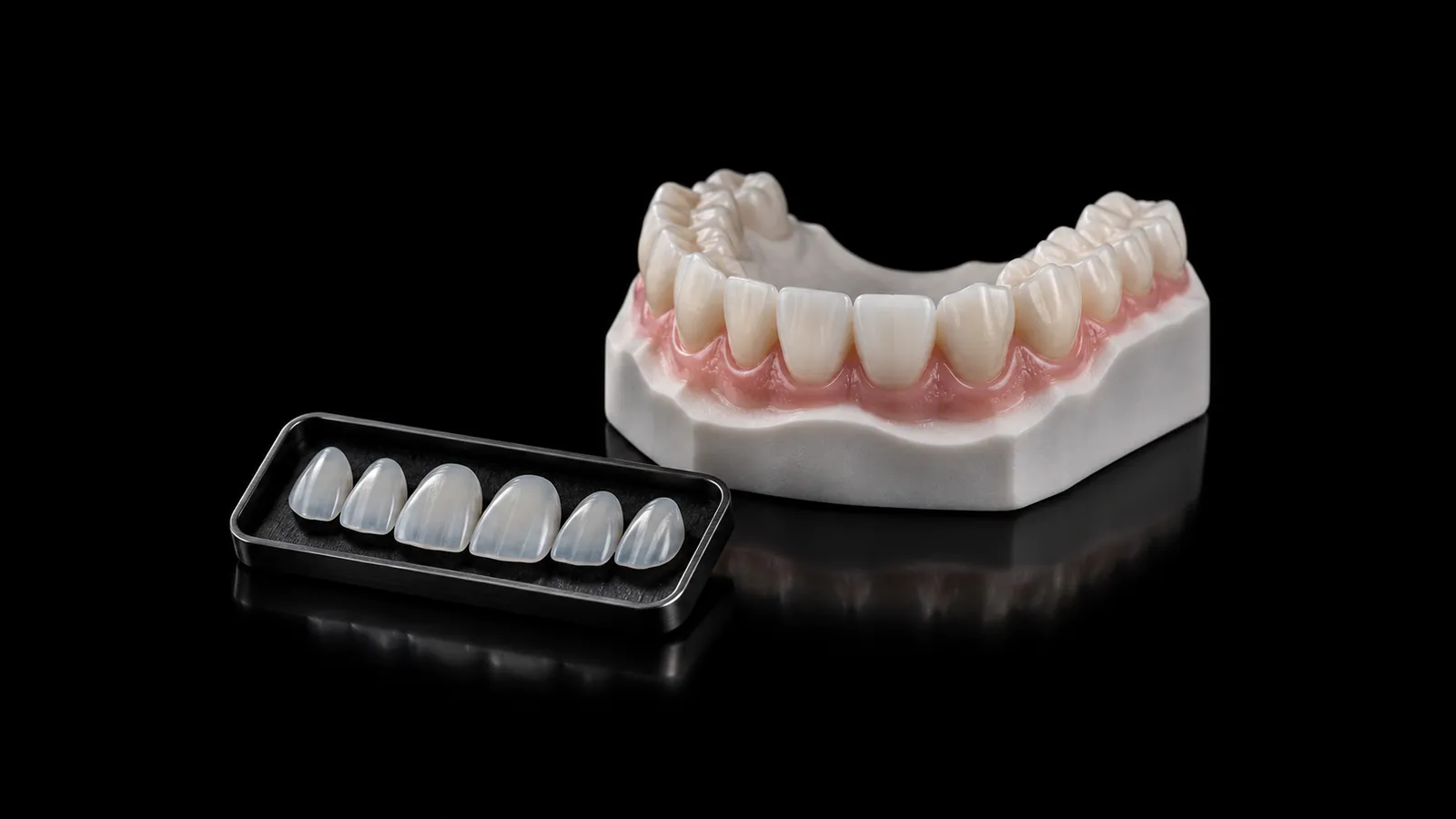
For a ceramic veneer, the front of the tooth is usually lightly prepared so the veneer fits without making the tooth too thick. The ADA describes removing a small amount of enamel from the front and sides of the tooth. This preparation gives a clean edge, a strong bond and an outline that follows the gum. But it cannot be undone. How much is removed depends on the tooth’s position, its starting colour and the result you want, so ask about each tooth before you decide anything.
A veneer is replaced, not erased
A veneer is not permanent in the sense of lasting a lifetime. Cleveland Clinic gives an average lifespan of 10 to 15 years with proper care. The ADA notes that a veneer can chip, crack, wear or come loose, and that the dentist can then re-bond, repair or replace it. If you no longer want a veneer, the usual option is a new veneer or a crown, not a return to the original tooth. A veneer plan should therefore be thought through over several decades, not just for the day it is fitted.
No-prep and minimal-prep veneers
Some veneers need little or no preparation. They are more conservative and, according to Cleveland Clinic, are among the few veneers that can be considered reversible. It also points out that they often still require some enamel removal and are not right for everyone. Adding thickness without preparation can make teeth look bulky or leave an edge at the gum line that traps plaque. They tend to suit teeth that are small, worn or set back, after an examination confirms it.
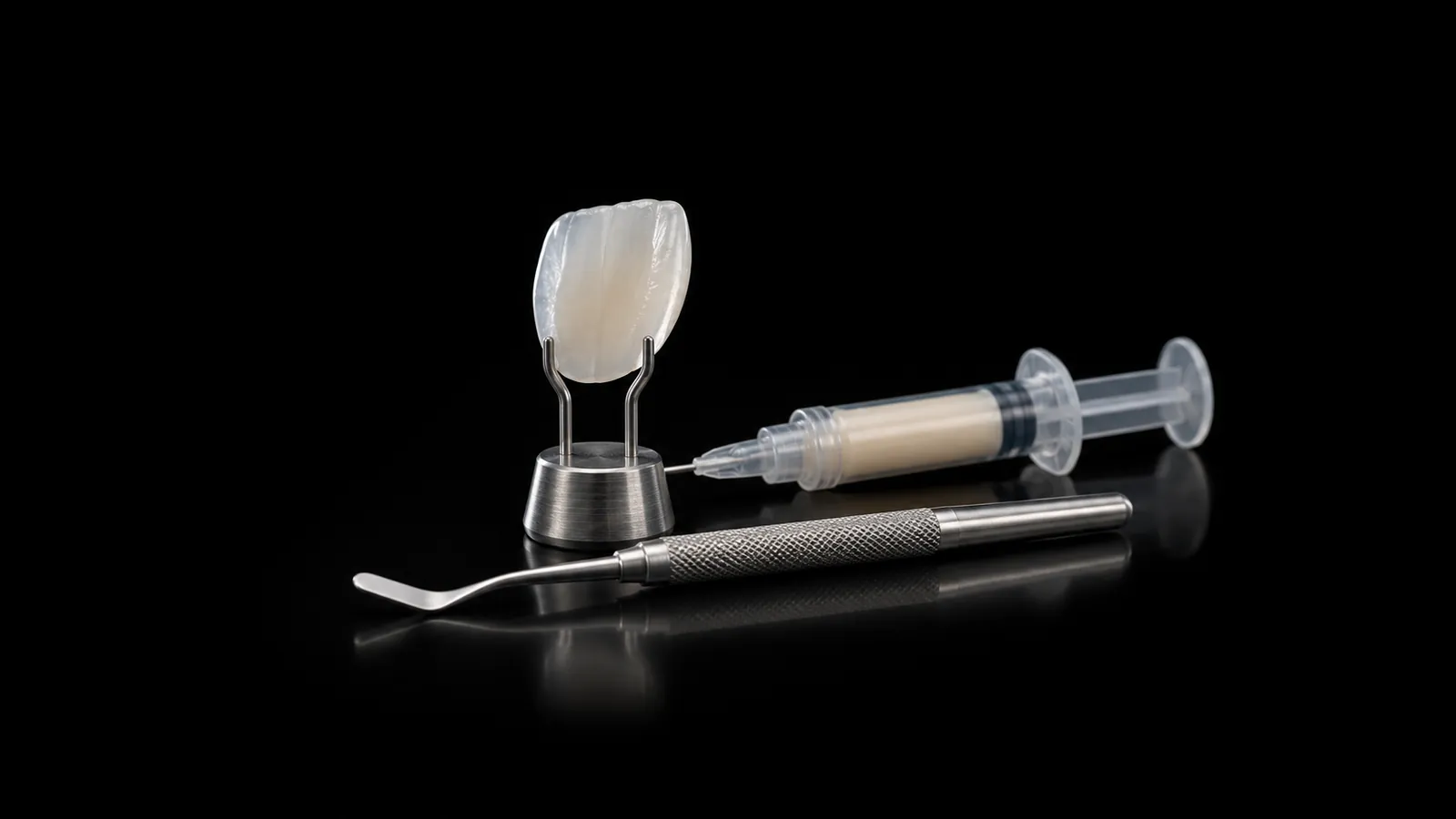
Composite veneers are shaped directly on the tooth. According to the ADA, they often need less enamel removal and fewer visits, and they are easier to repair than ceramic. They therefore keep more options open for the future, which makes them worth considering if you are hesitant. On the other hand, they resist staining and wear less well, so polishing, repairs or replacement may be needed over time. The choice between composite and ceramic depends on your teeth, your bite and what you expect from the result.
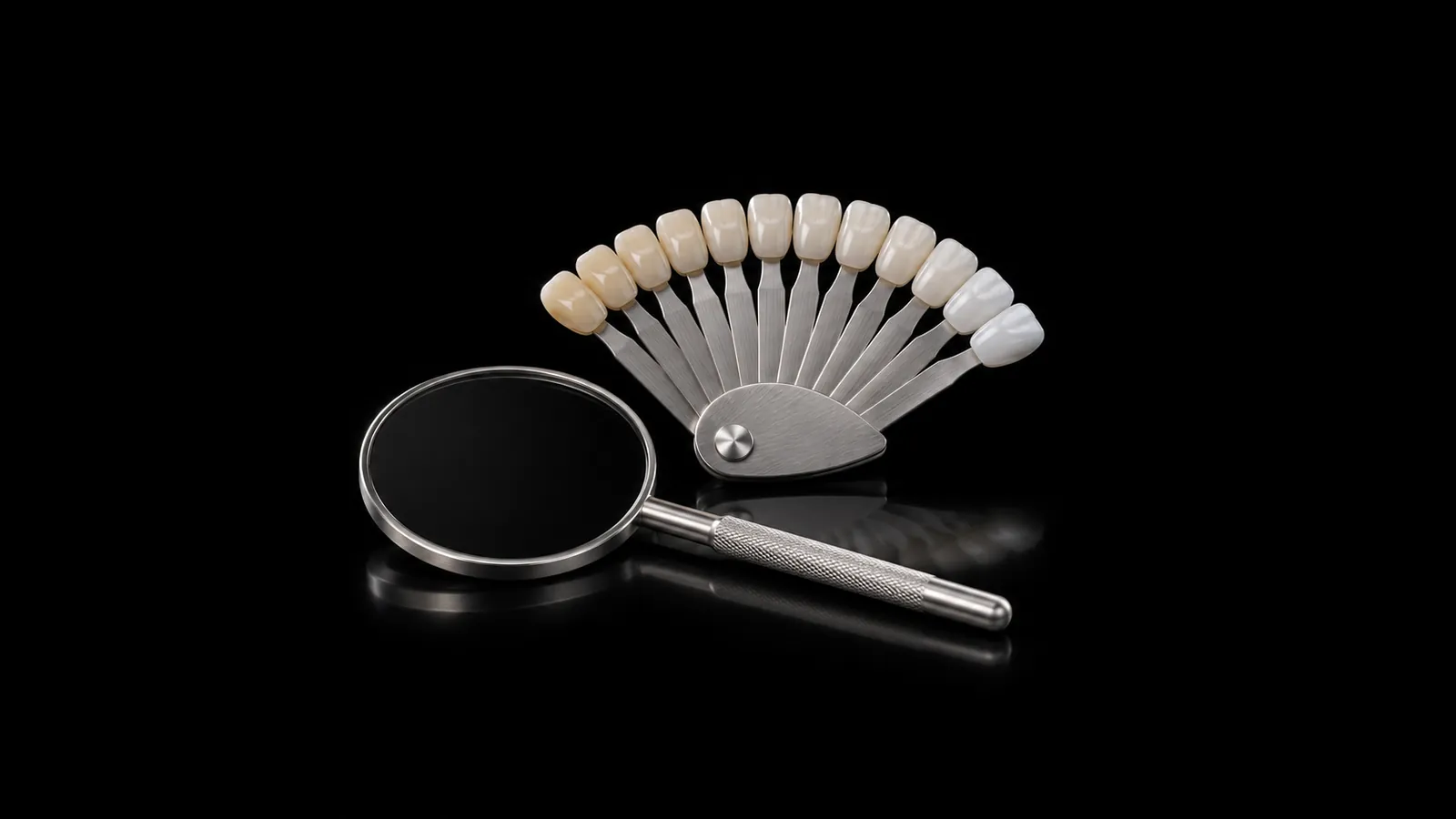
Before any preparation, the plan can be studied from photos and impressions, then sometimes tried in the mouth with a temporary resin mock-up. This step is reversible: it shows the proposed shape and length, lets you discuss it with people close to you and ask for changes. Computer-assisted smile design can also help you visualise the result. If the plan does not convince you at this stage, you can still walk away without your teeth having been changed. Take the time you need before approving it.
Alternatives to compare
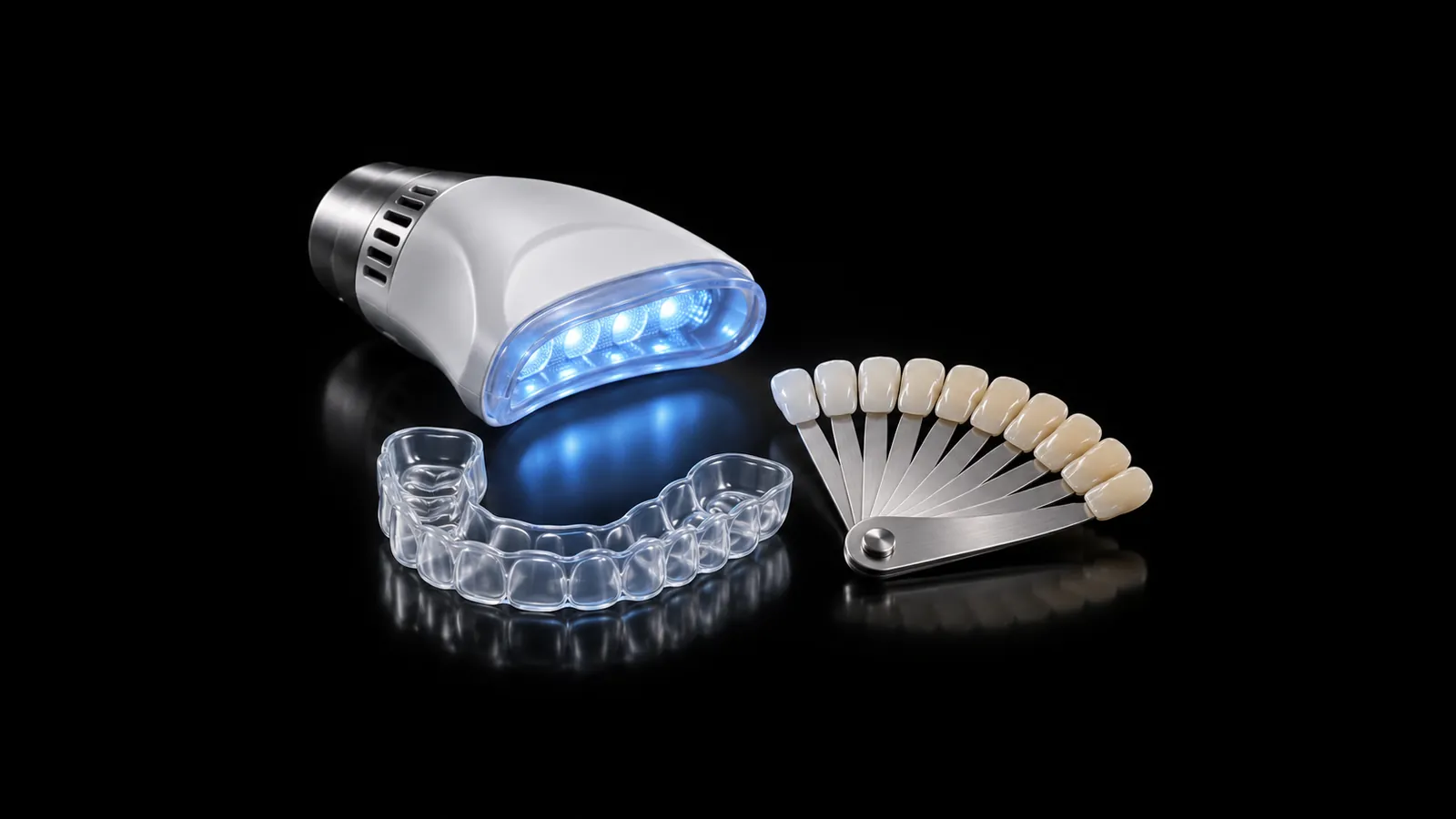
If your main concern is colour, whitening your natural teeth can be discussed before veneers: it does not remove enamel. If teeth are crooked or overlapping, orthodontics, for example with clear aligners, can move them without covering them. For one or two chipped teeth or a small gap, composite is often a more conservative option. A badly damaged or root-filled tooth, on the other hand, may be better suited to a crown. The aim is to choose the option that changes your teeth the least for a result you are happy with.
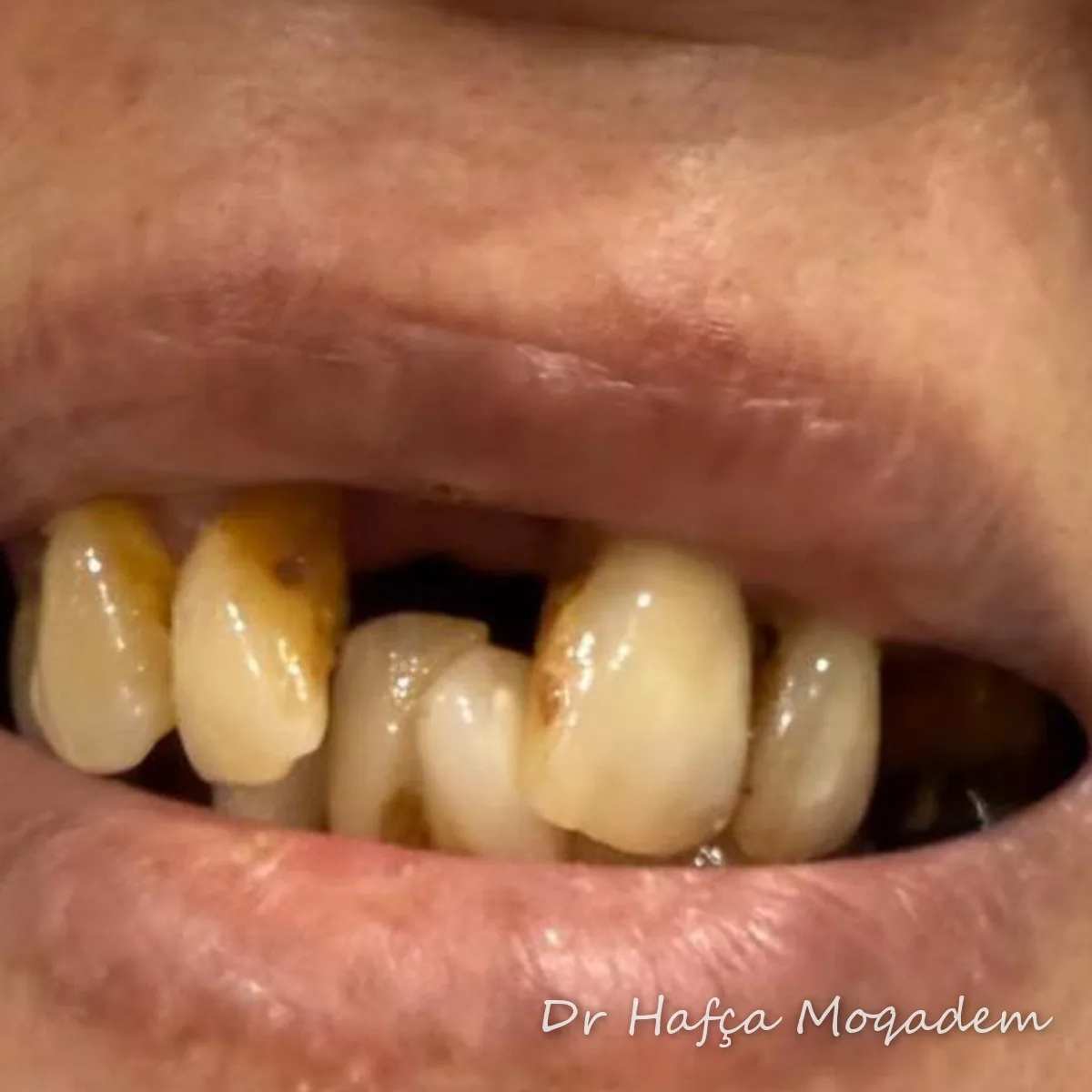
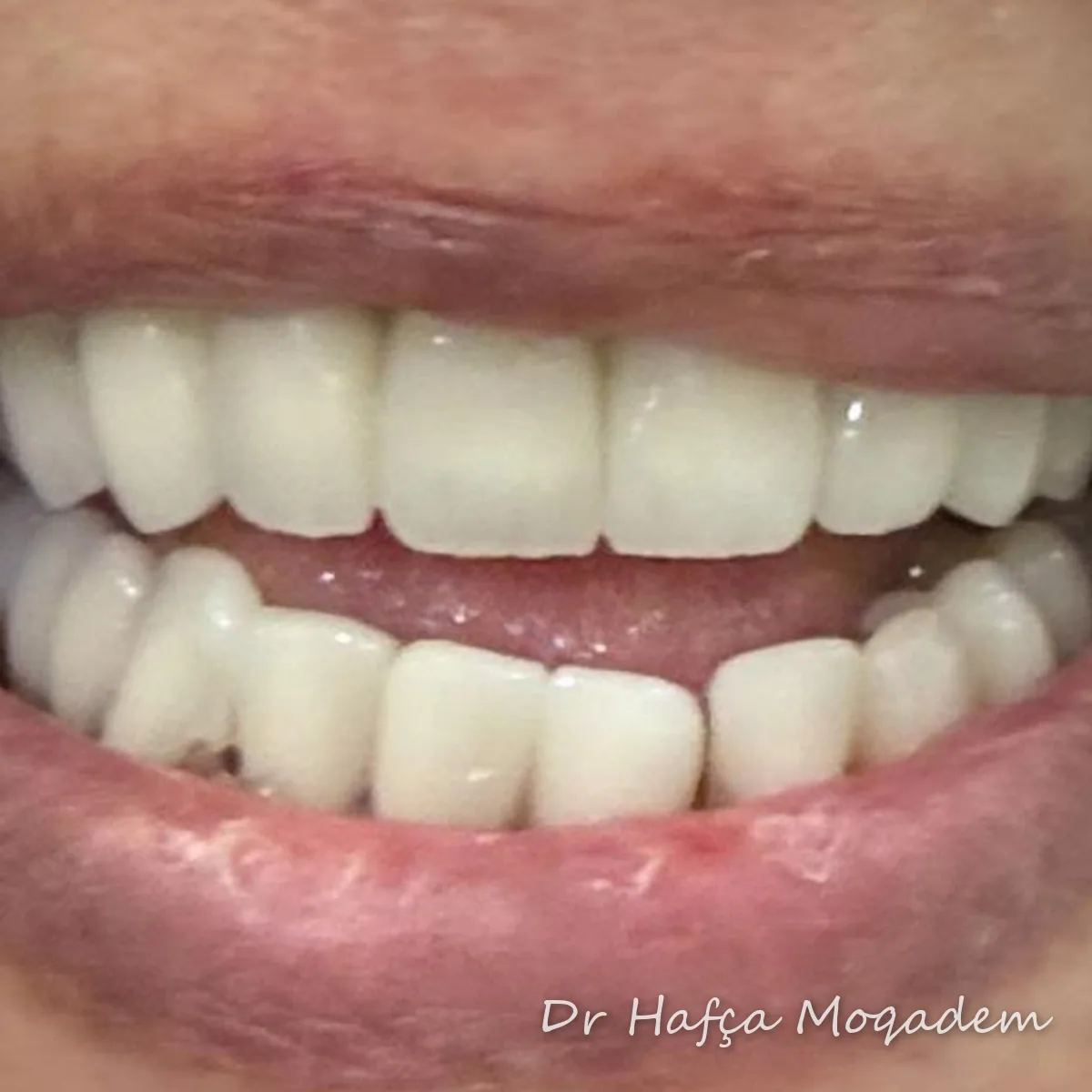
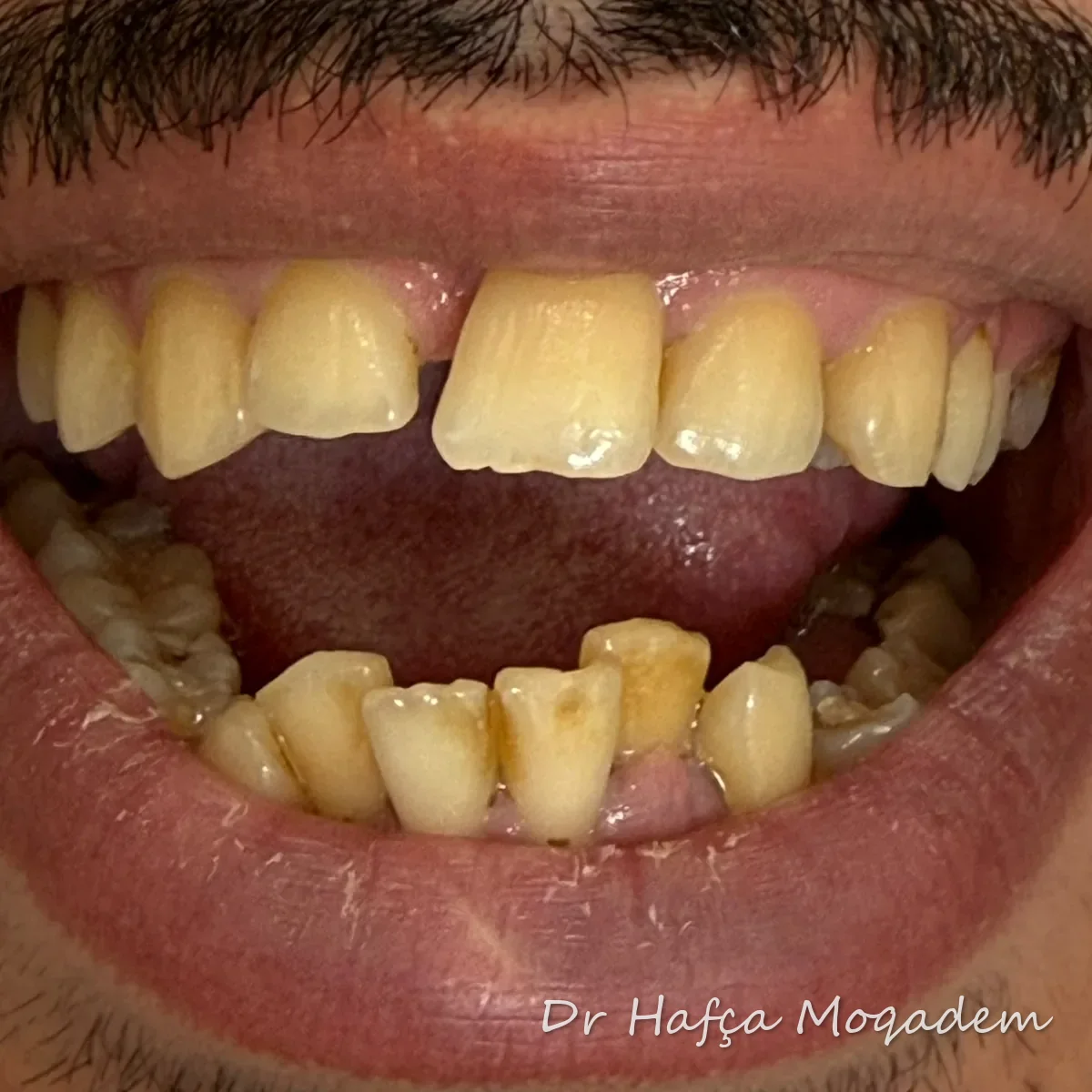
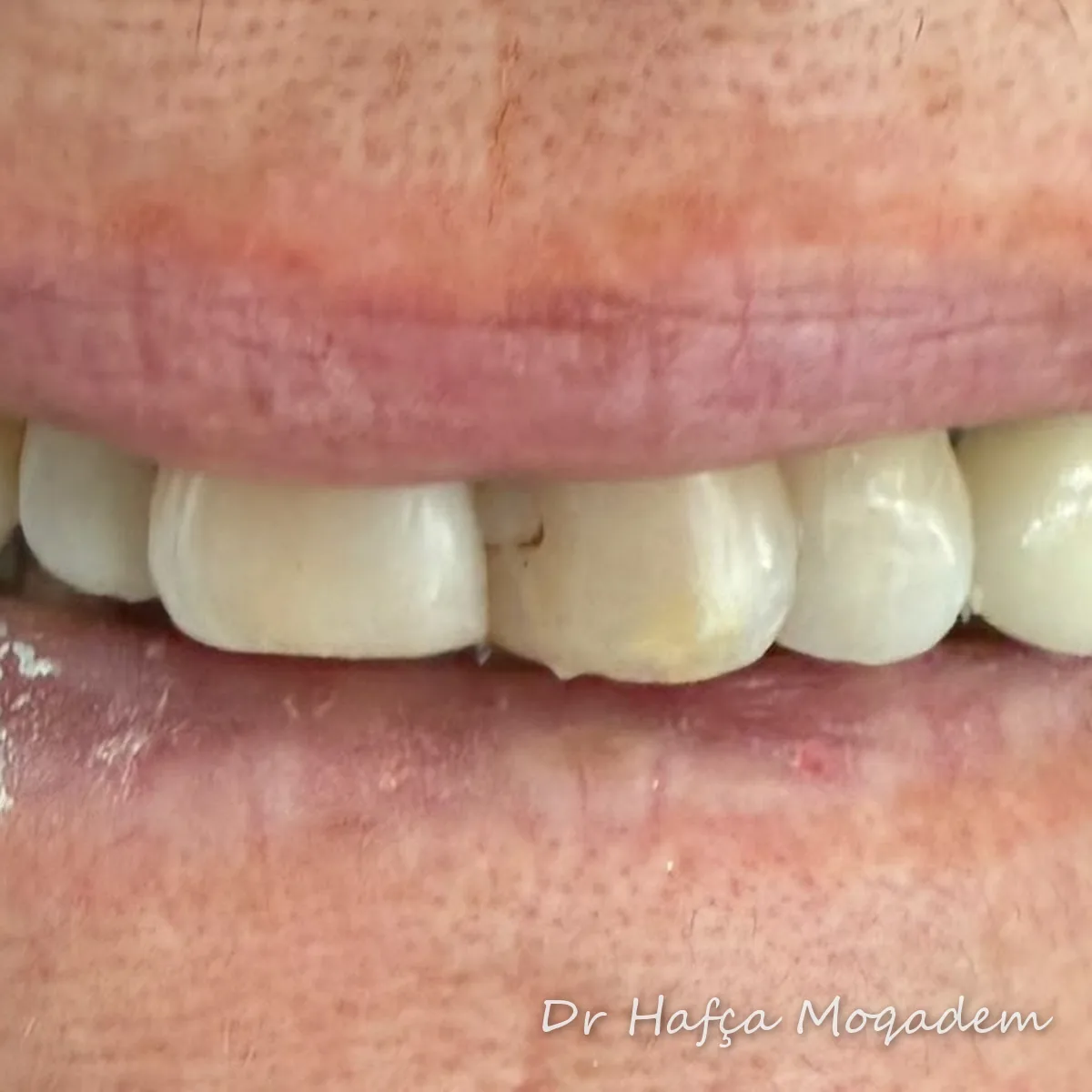
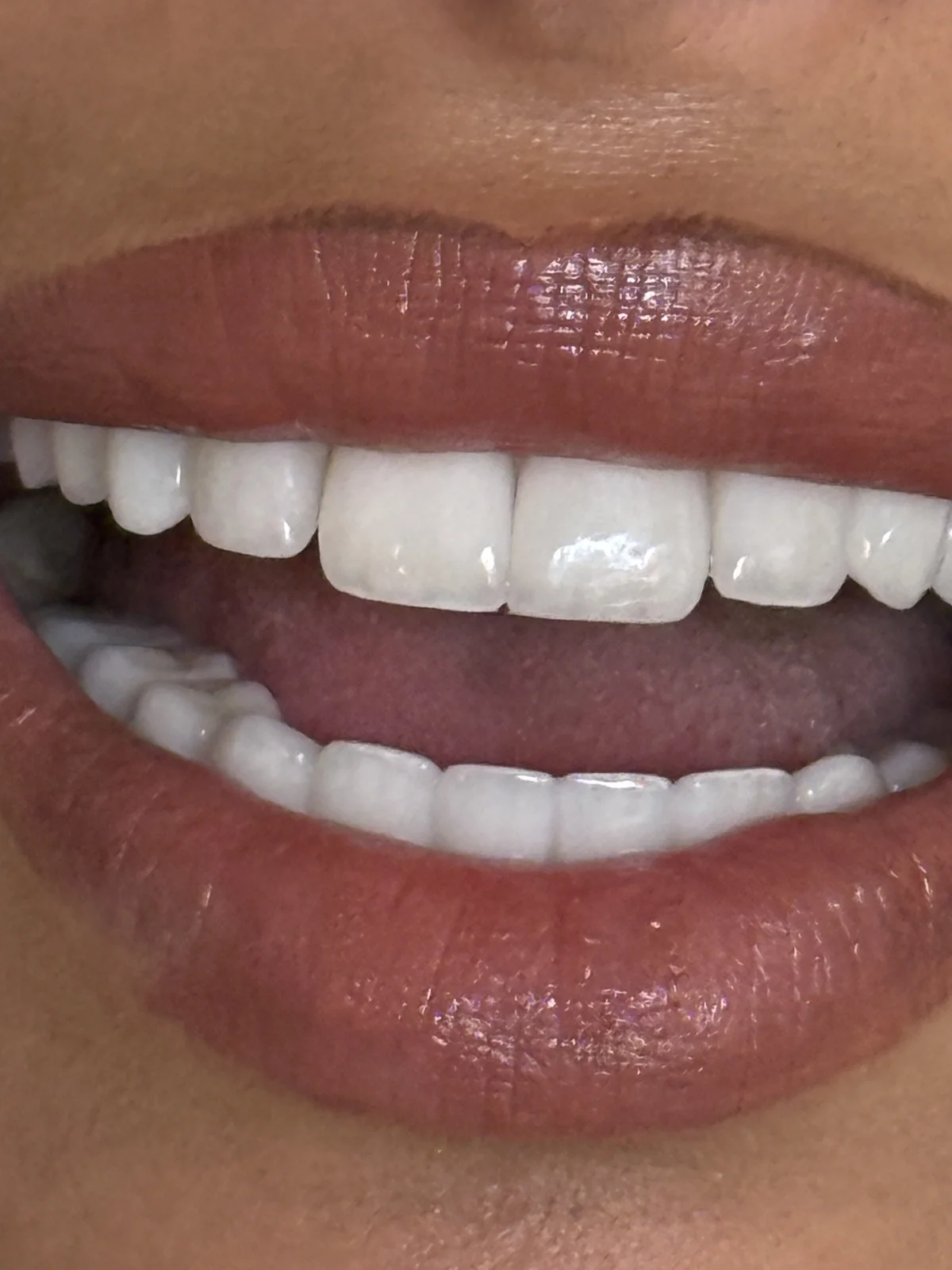
Before
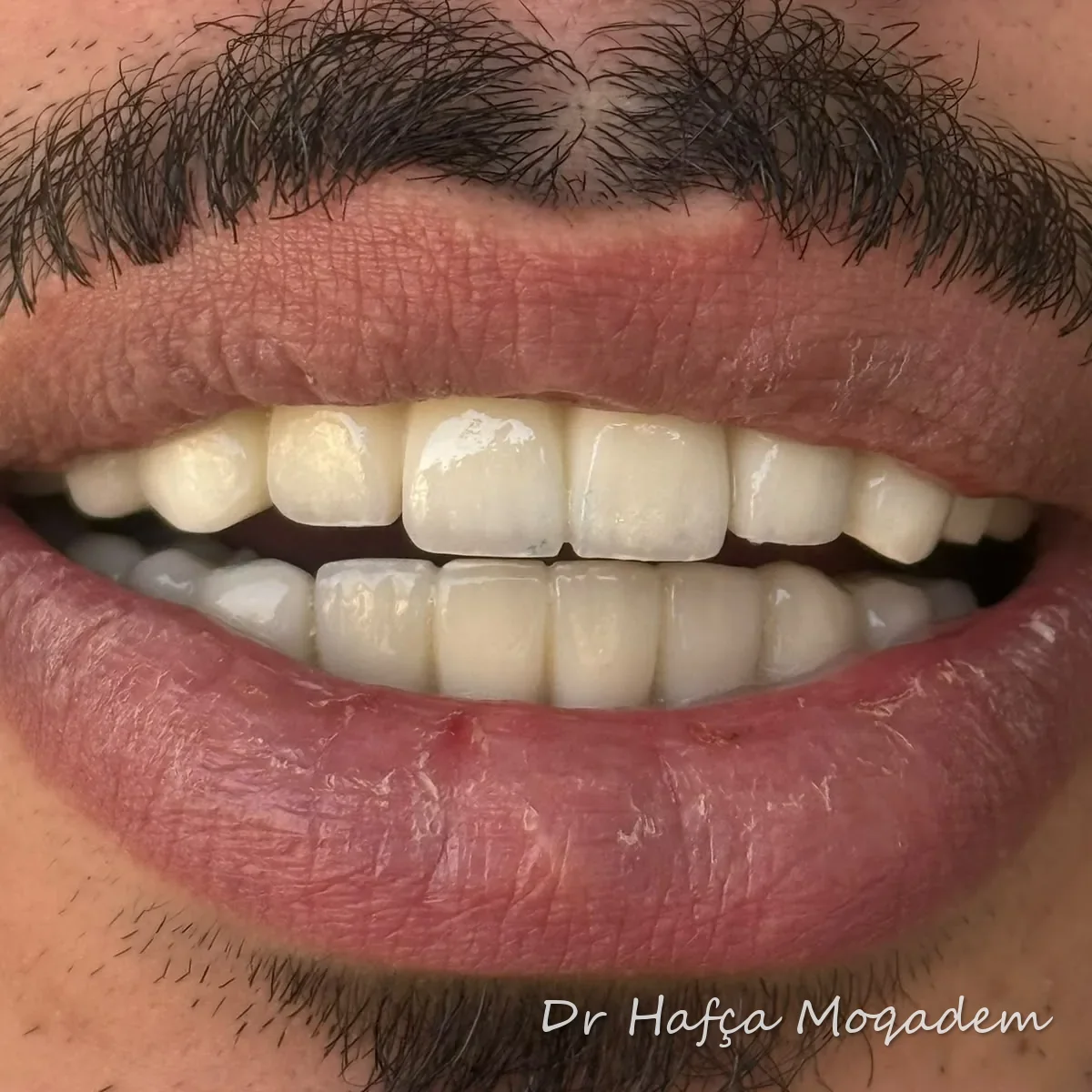
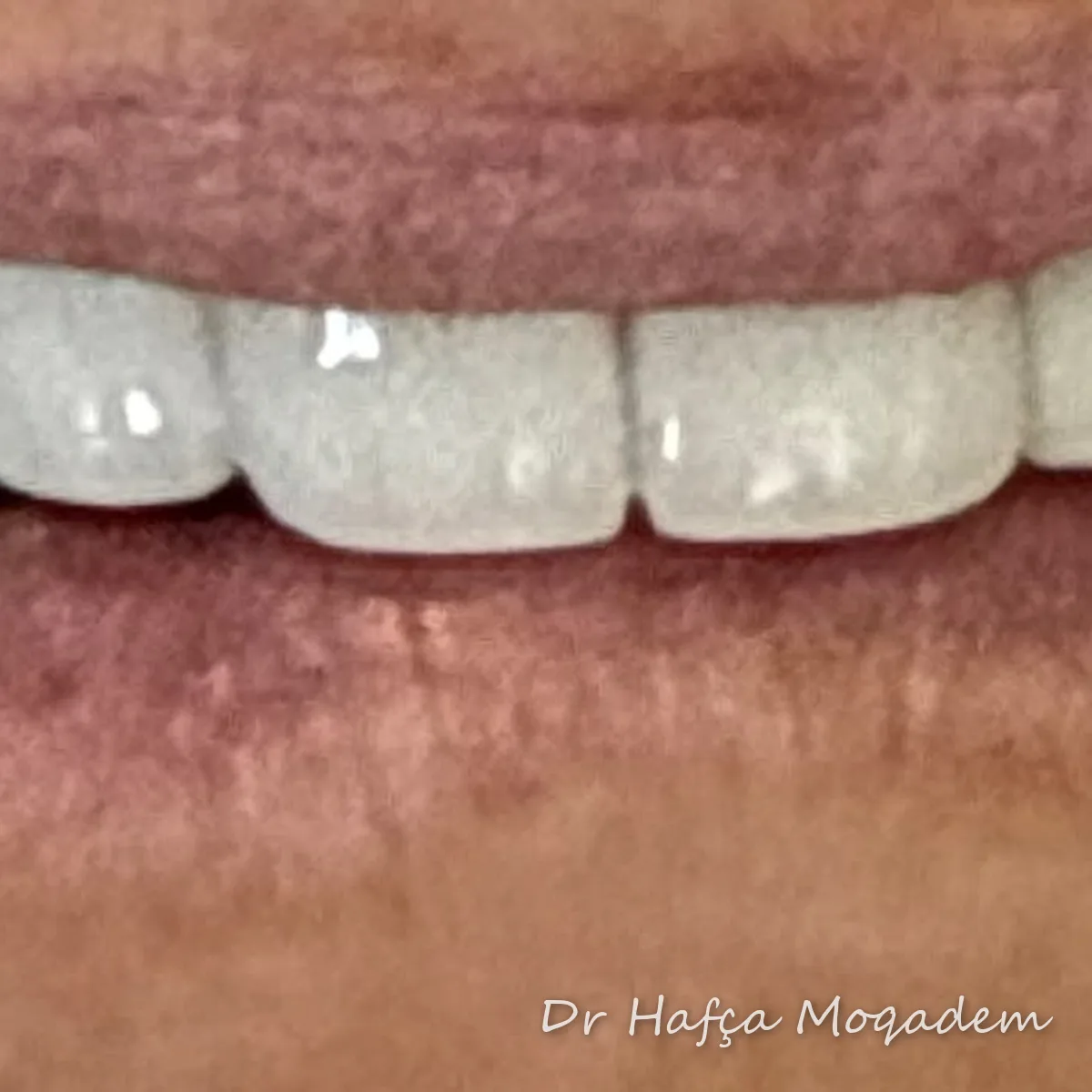
After
Real case from the clinic Dental veneers, another patient of the clinic before and after. See the cases: Dental veneers
Questions to ask before deciding
Do my teeth need preparing, and by how much for each one? Which material is planned, and why? Can I see the plan in my mouth with a mock-up before any preparation? What happens if a veneer breaks or comes off in ten years? Which less invasive alternatives exist for my case? How should I look after veneers and how often should they be checked? Ask for the answers in writing. An irreversible decision is easier when you know exactly what will be done now and what can be done later.
The visual guide
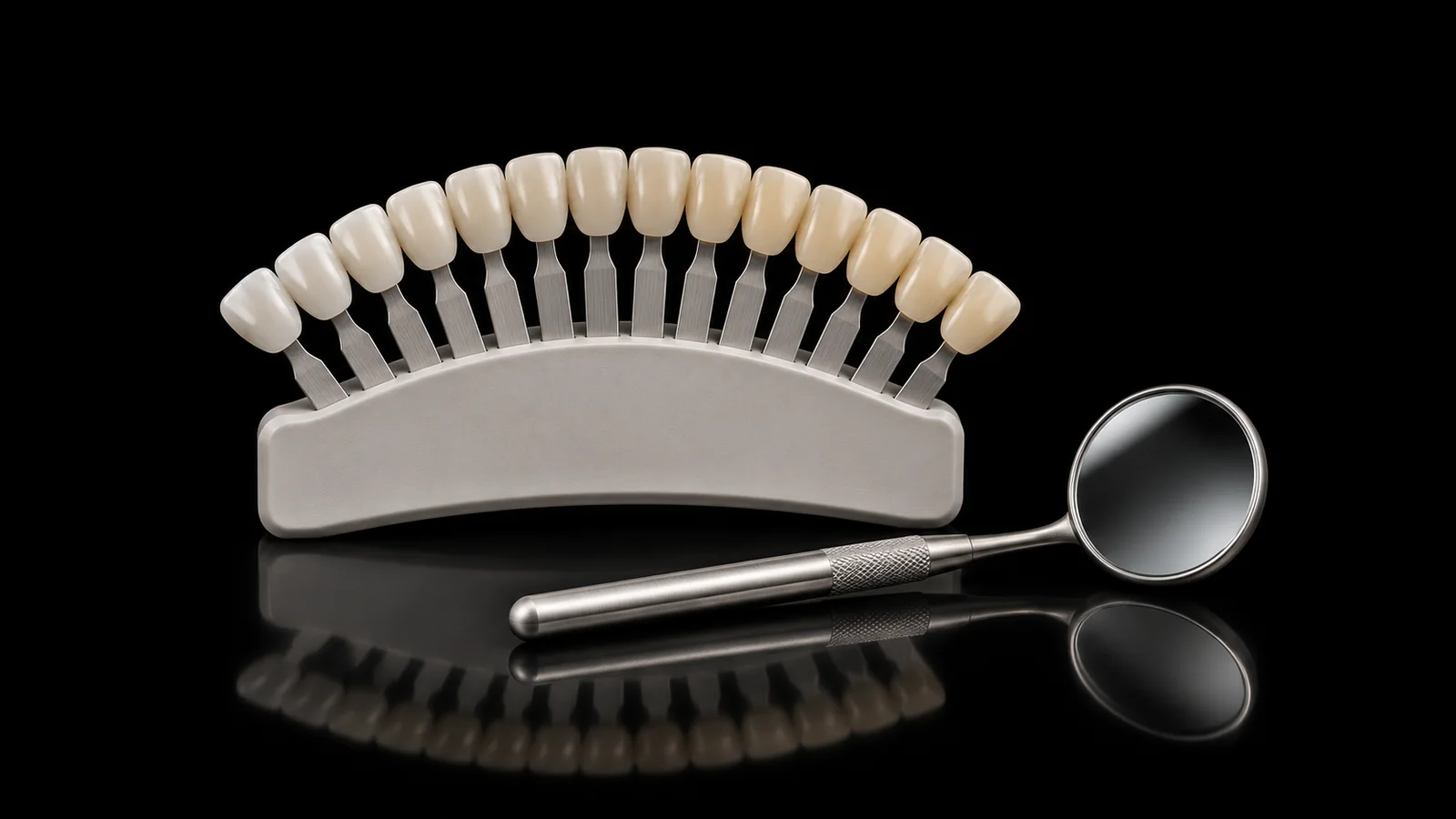
Shade, shape, position: 3 different goals
Principles to help you prepare your questions. The assessment makes it possible to know what suits your situation.
Item
Principle
To clarify at the clinic
Whitening
Lightens natural teeth.
Does not change the shape; existing restorations do not whiten.
Composite
Adds a resin to correct certain shape defects.
Maintenance, touch-ups and possibilities depend on the tooth.
Veneers
Cover the visible surface to change shape and appearance.
Some preparation may be needed and must be explained before any decision.
A daily guide
Brushing time, in practice.
The NHS recommends about 2 minutes of brushing, twice a day, with a fluoride toothpaste.
Choose the questions you would like to ask. Your choices stay on this page and are neither saved nor sent.
Guéliz clinic, Marrakech
Your check-up at the Guéliz clinic.
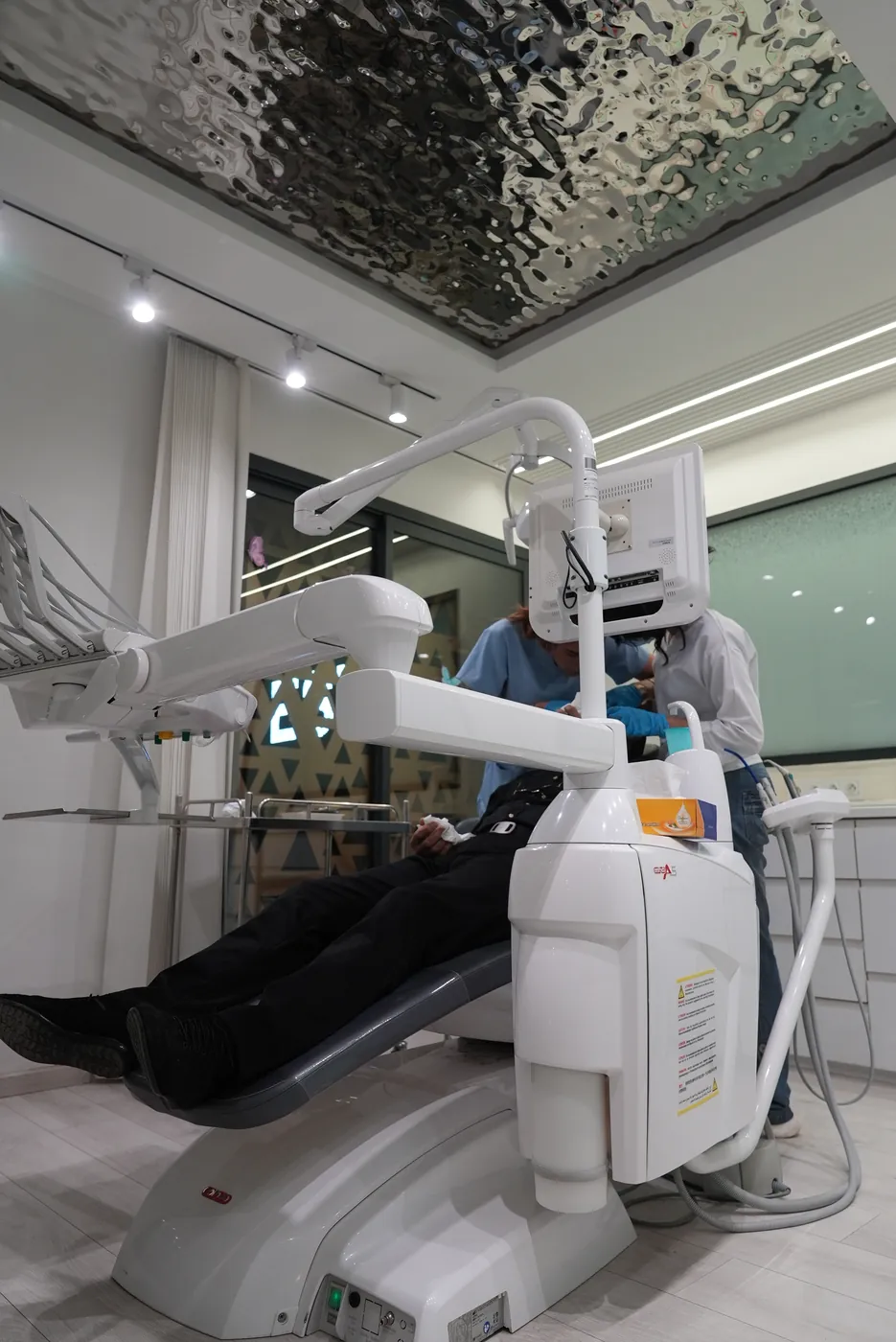
An article does not replace an examination. At the clinic, Dr Hafça Moqadem examines you, explains the options and gives you a written plan before any treatment.
Call the clinic, write to us on WhatsApp, or choose a day and a time yourself: your request reaches the clinic's WhatsApp and they will confirm the appointment.
A small tooth, a chipped edge, a small gap: composite bonding may be one of the options. Here is how it works, what it does not do and how to prepare your appointment.
A Hollywood smile is not a shade, it is an overall project. Understand what it changes, what it requires and how to decide calmly, with no promise of an identical smile for everyone.
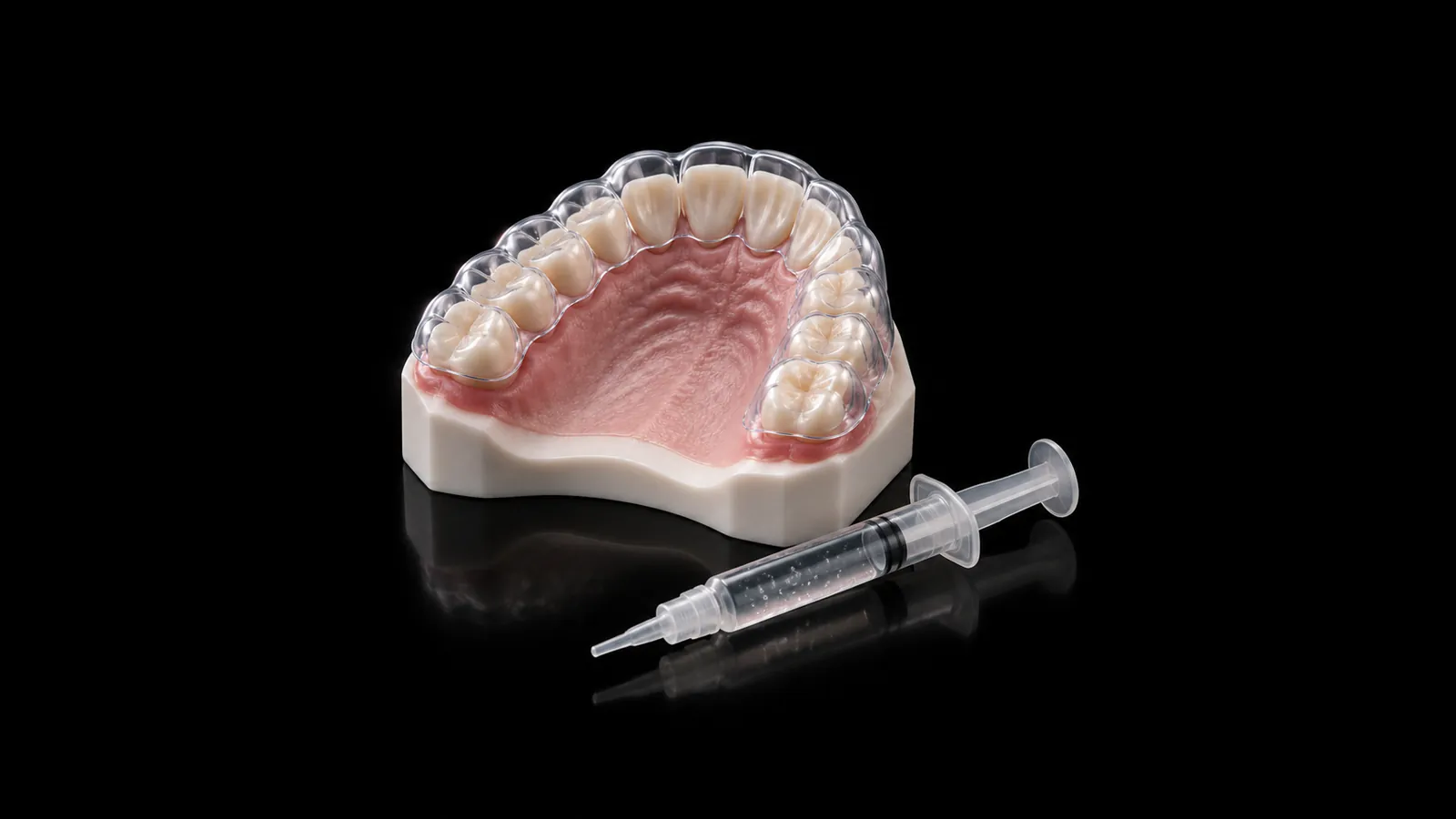
Home protocols rely on custom trays and a gel prescribed by a dentist. At the clinic, whitening is done in the chair, during an appointment, after an examination.