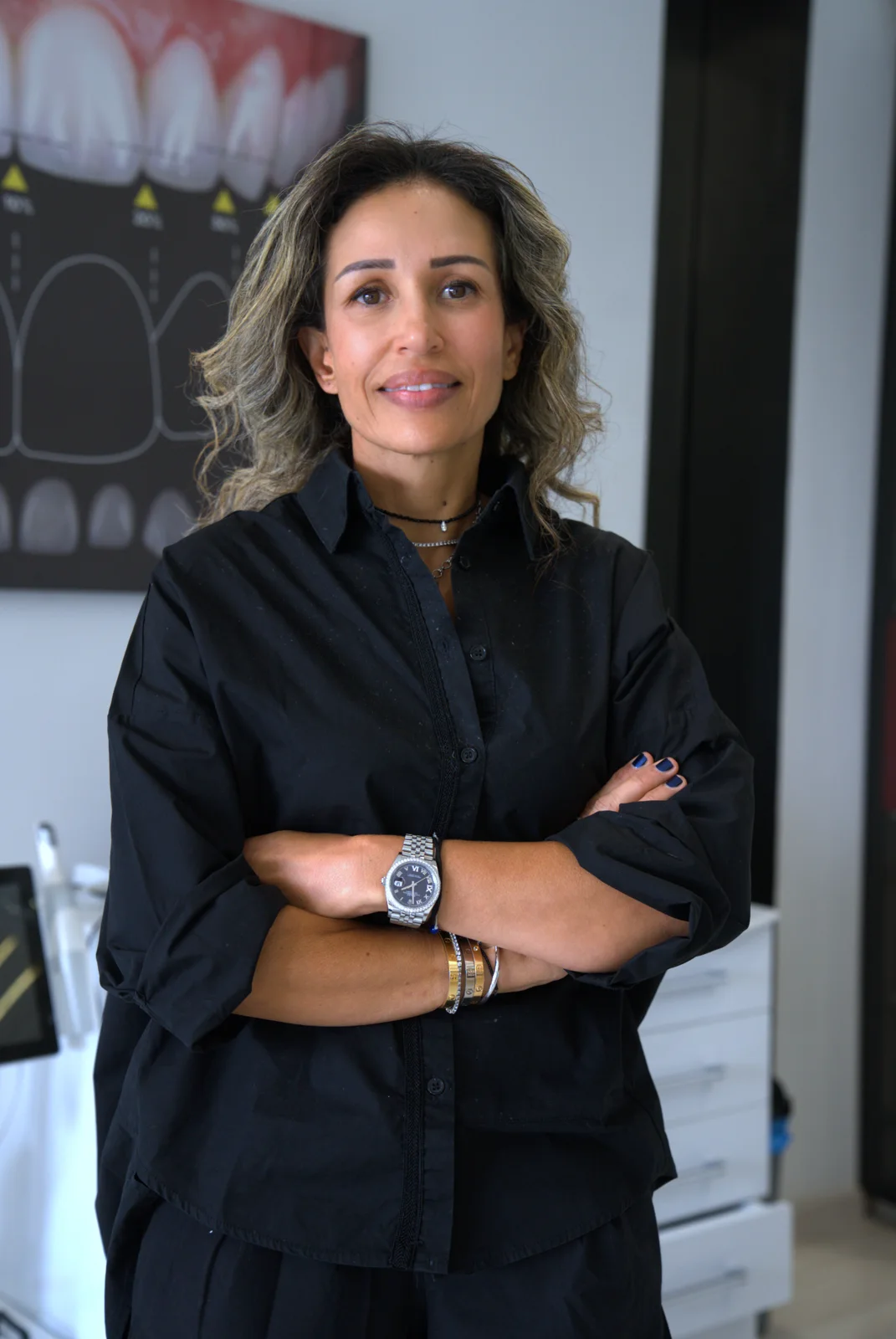
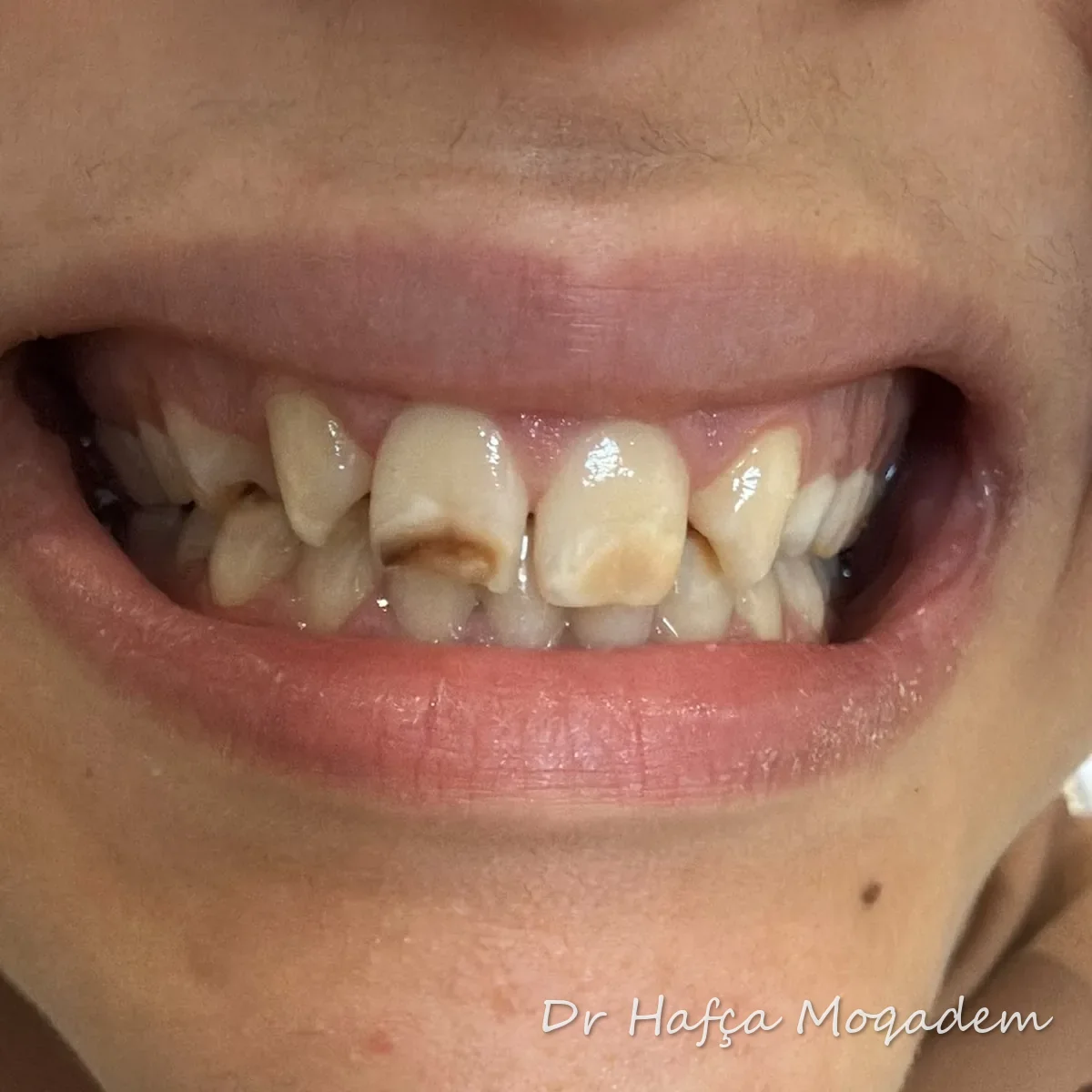
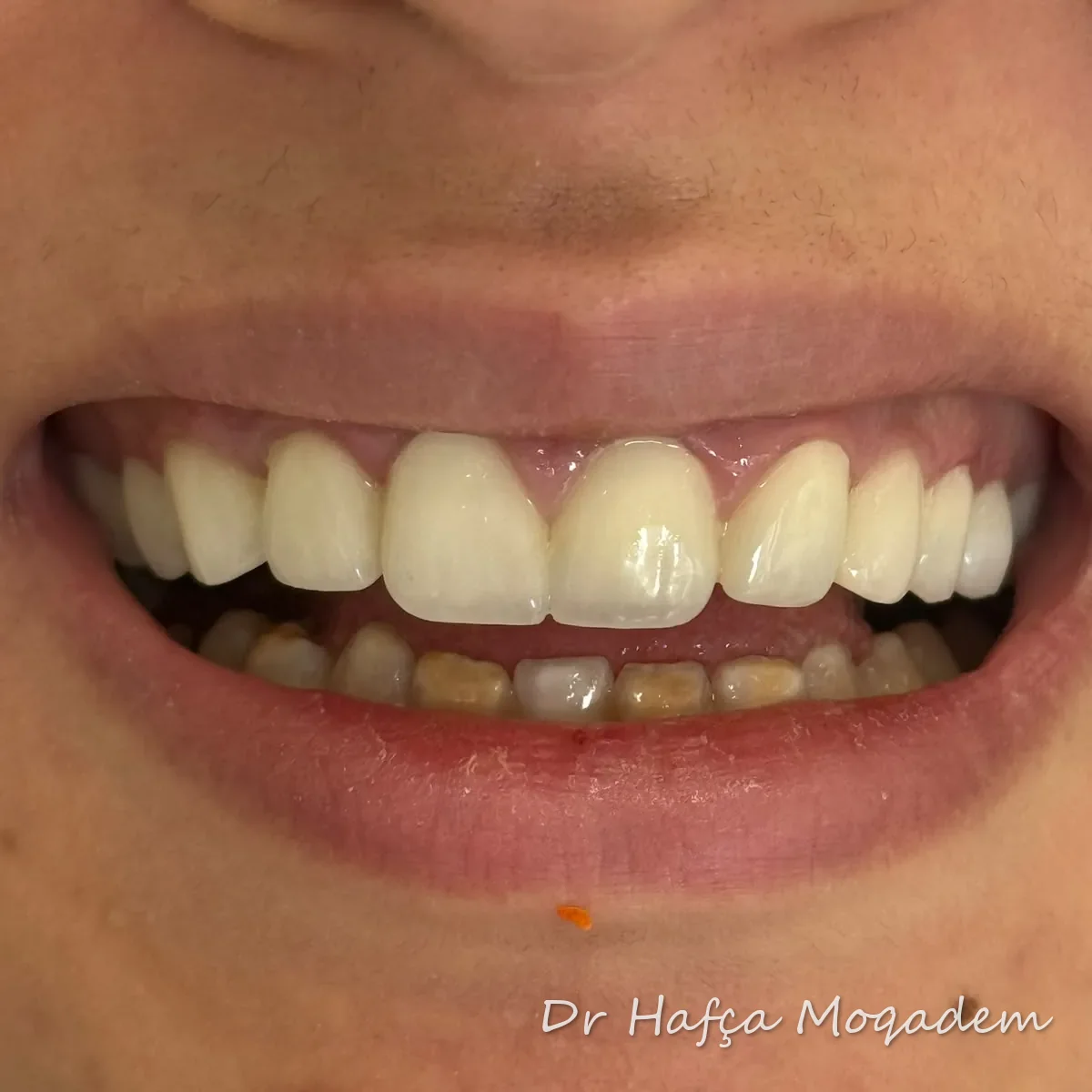
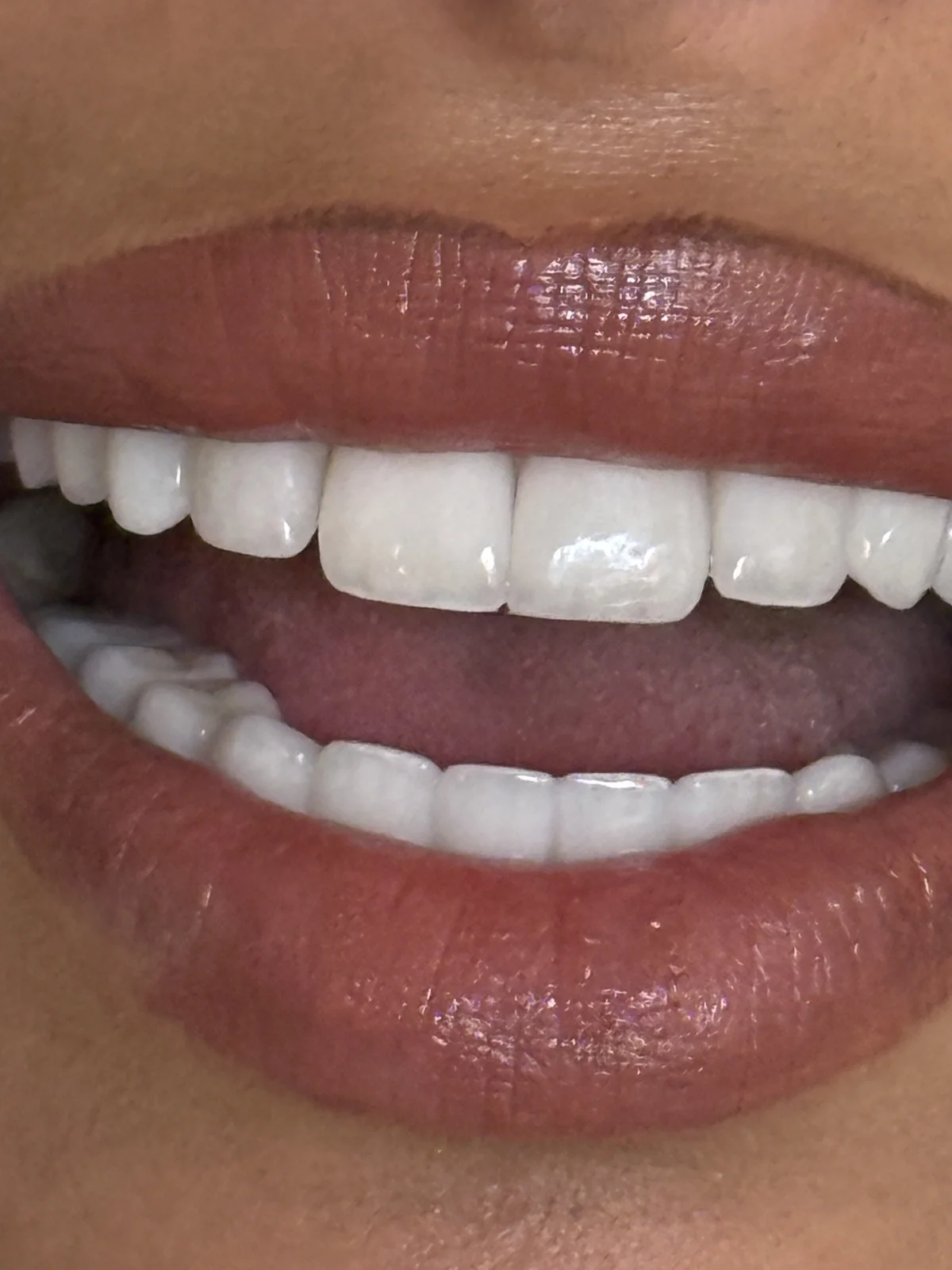
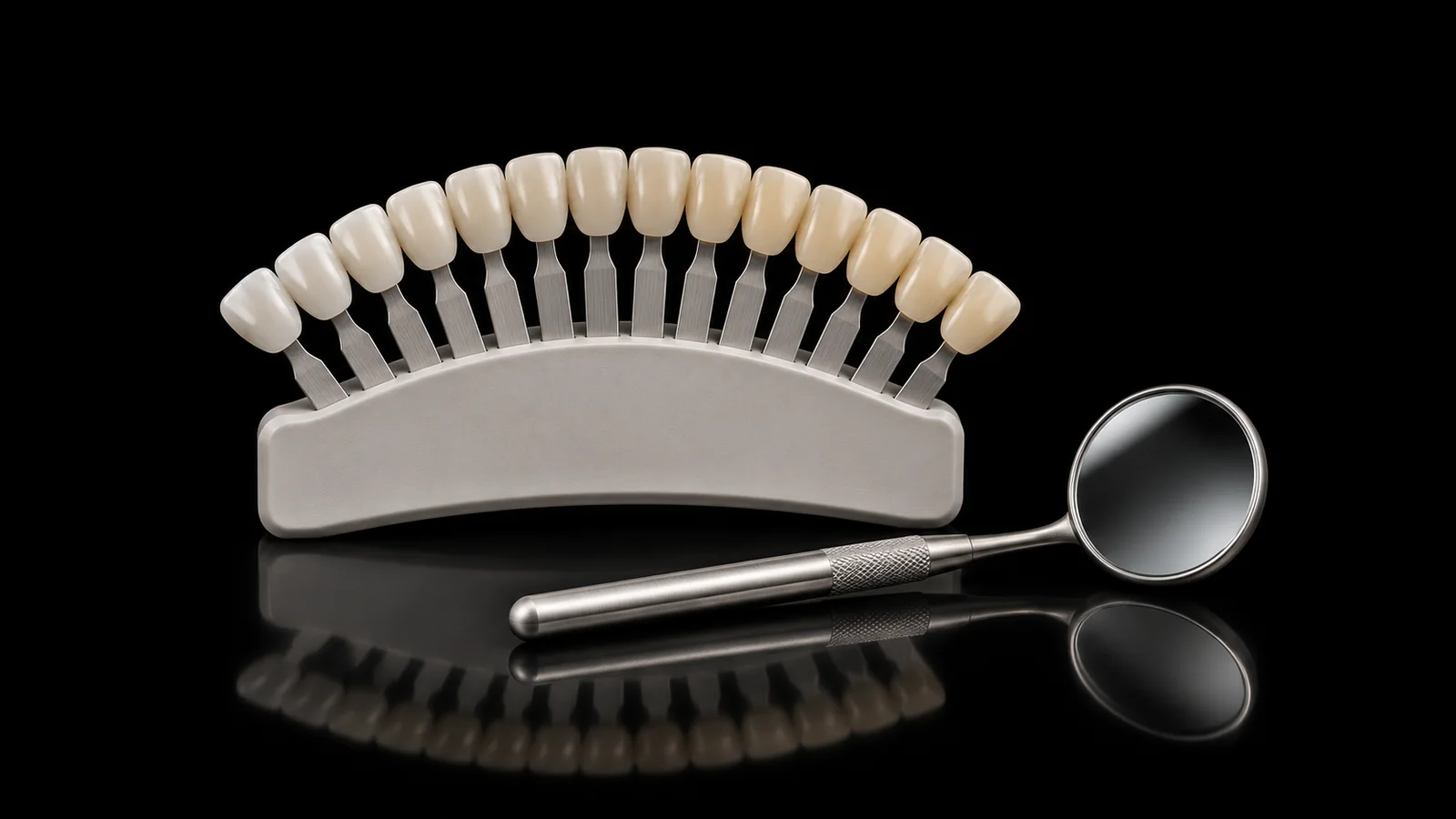
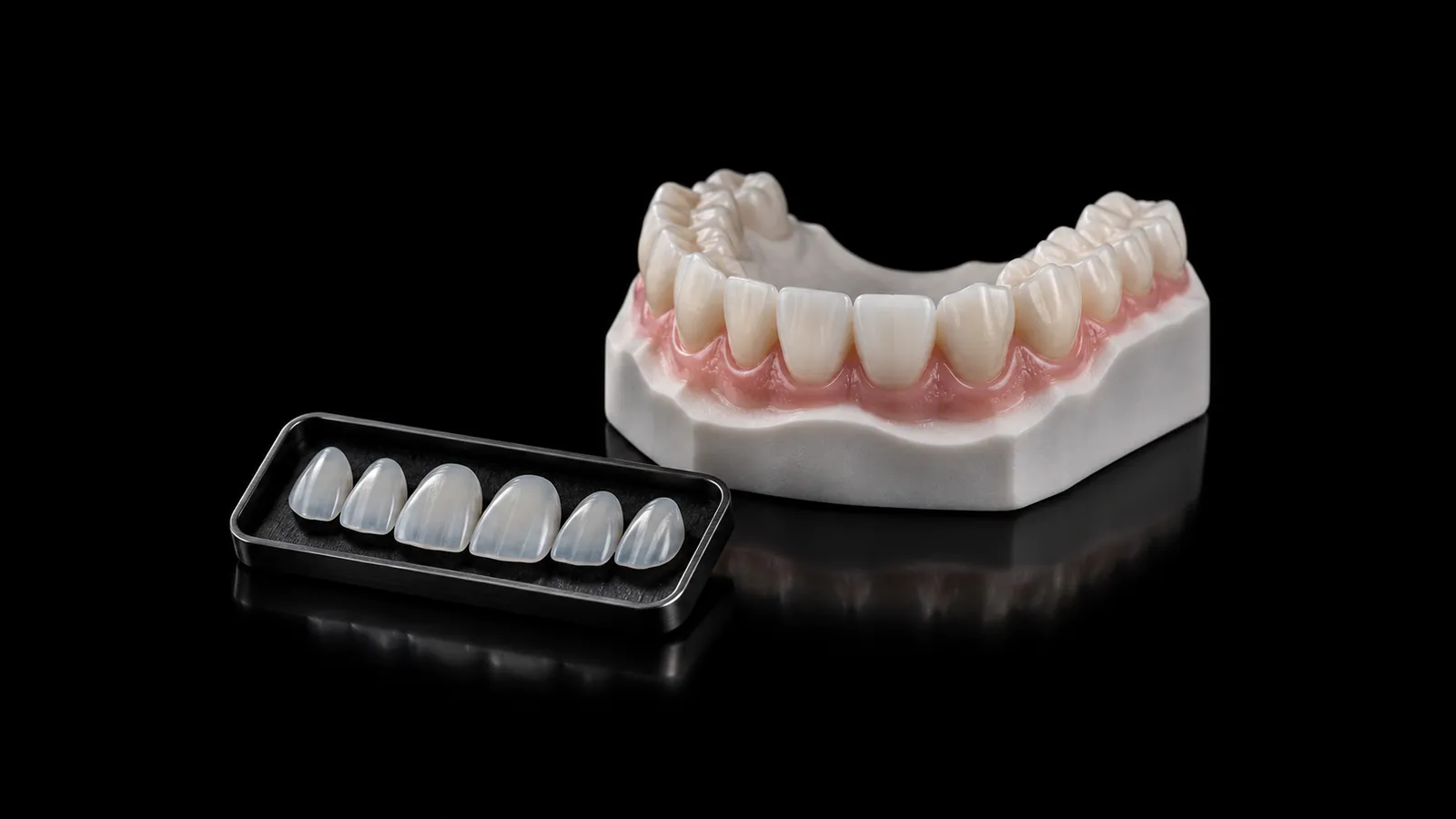
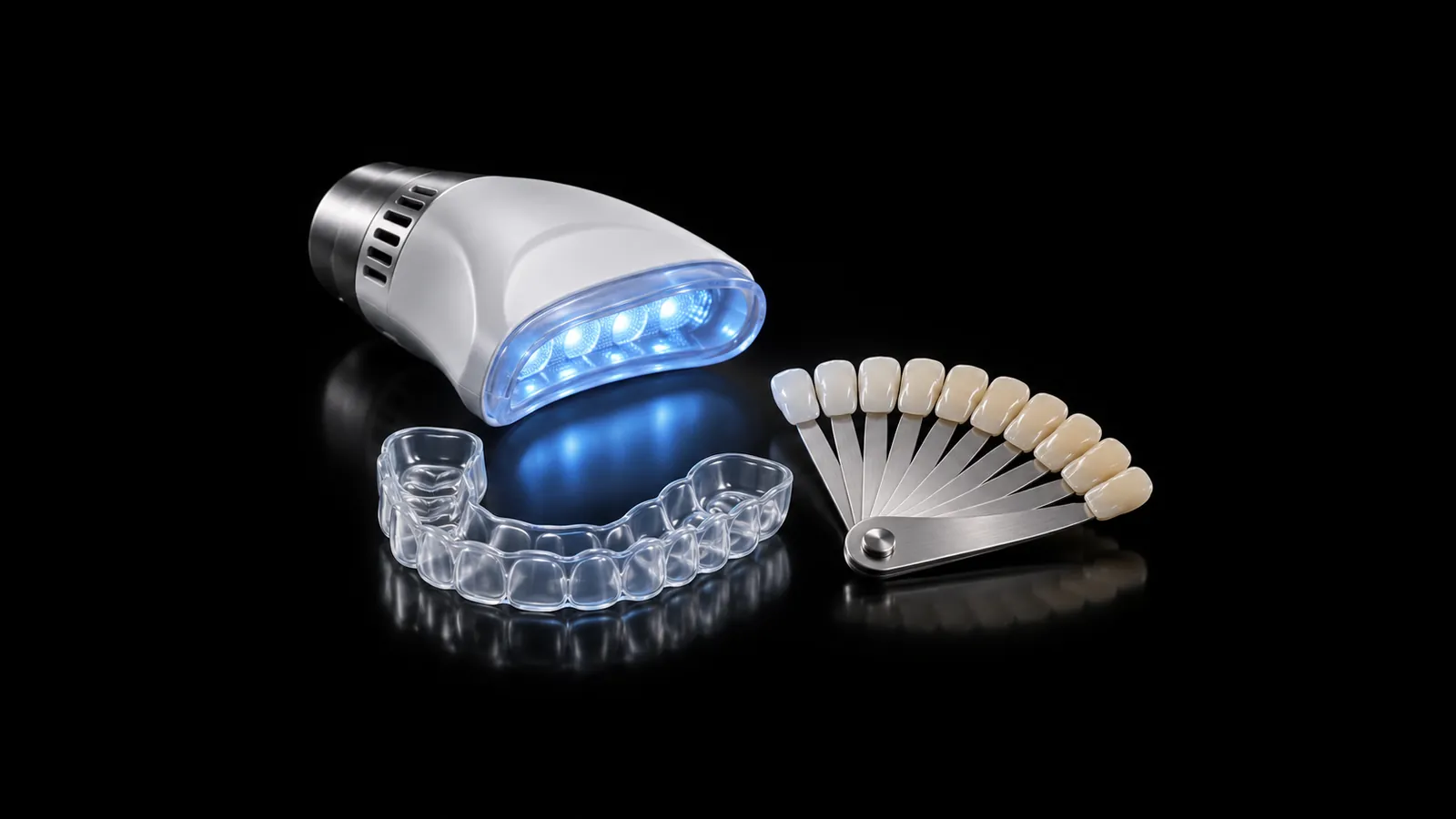
Trained in aesthetic veneers at the Institut de la Facette in Marseille, Dr Moqadem carries out veneers, whitening and smile design. Each plan starts from your face and your smile, and you approve it before any treatment.
Certificate in aesthetic veneers from the Institut de la Facette, Marseille.
Doctor of dental surgery (state diploma).
Former attaché at Beth Israel Hospital, stomatology department, New York.
CFI graduate in implantology and oral periodontology, Paris V Faculty of Medicine.
Certificate in advanced surgery from the Collège Américain de Paris.
Certificate in clear aligner orthodontics from the Centre de Sourire de Paris.
Certificate in dental and medical emergencies, Paris V.
Certificate in botulinum toxin and hyaluronic acid injections, Paris.
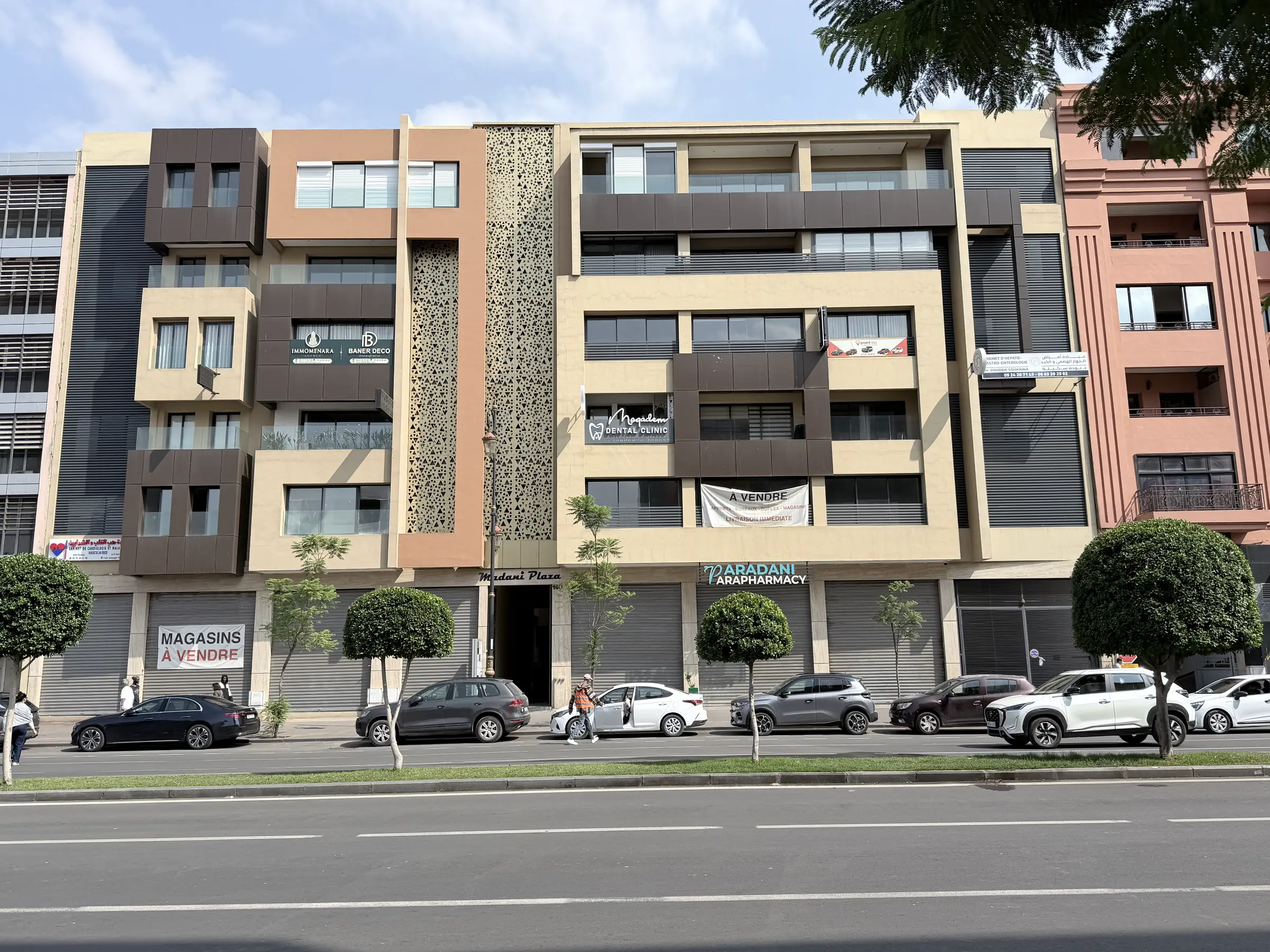
Looking for a dentist in Marrakech? Dr Hafça Moqadem welcomes you at Madani Plaza, Guéliz.
Used under a dental protocol, peroxide lightens the tooth without grinding it down.
The most common problem is temporary sensitivity, not enamel loss.
Decay, gums and existing restorations are checked before you start.
The short answer
Used as a dentist instructs, peroxide whitening does not remove enamel. It lightens the shade by breaking down coloured pigments inside the tooth, without wearing the surface away. The American Dental Association does warn that overusing whitening products can damage enamel or gums. What matters is the strength of the product, how long it is applied and how closely the treatment is followed up. Whitening is not something to improvise at home with an unknown product: it is a treatment decided after an examination and carried out to a protocol that is explained to you in writing.
How the product works
Whitening gels contain hydrogen peroxide or carbamide peroxide, which releases hydrogen peroxide on contact with the tooth. These agents break coloured molecules into smaller pieces, which lightens the shade without removing tooth structure. Home remedies work differently. Charcoal, baking soda scrubbed hard or lemon act on the surface through abrasion or acid, and can wear or attack enamel. The ADA says there is no evidence that charcoal products are safe or effective for teeth. Worn enamel lets the yellower dentine underneath show through, so the tooth can end up looking darker, not lighter.
What the research shows
A Cochrane review published in 2018 looked at trials of home whitening in adults. It found that whitening products lightened teeth compared with a placebo over periods of 2 weeks to 6 months, although the certainty of the evidence was low to very low. The most common side effects were tooth sensitivity and mouth irritation, usually mild and short-lived, and more frequent with higher concentrations. Some laboratory studies suggest erosion with aggressive protocols, but they were not carried out on teeth in a living mouth. They are a reason for caution, not for alarm.
Sensitivity is not weakening
The most common complaint is sensitivity to cold or sweet things during treatment. The NHS also lists sore gums or throat and temporary white patches on the gums. These signs reflect a reaction of the tissues to the product, not a loss of enamel, and they usually settle within a few days of stopping. If sensitivity is bothersome, the dentist can space out applications, shorten them or suggest a toothpaste for sensitive teeth. Increasing the dose or frequency yourself to speed things up only raises the risk of side effects, with no proven gain in the final shade.
In the European Union, Directive 2011/84/EU sets limits for tooth whitening products. Products with more than 0.1% and up to 6% hydrogen peroxide may only be sold to dental practitioners. The first application of each treatment cycle is done by the dentist or under their direct supervision, after which the patient may complete the cycle at home. These products must not be used on anyone under 18. Products sold freely to the public are therefore weak. The principle is simple: the stronger the product, the more professional supervision is needed to protect the teeth and gums.
Decay, a crack, inflamed gums, an exposed root or a failing old filling are treated first, because the gel can make these areas more sensitive. A scale and clean comes before whitening. The NHS does not recommend whitening during pregnancy or breastfeeding and does not offer it to anyone under 18. Very thin enamel or staining caused by certain medicines needs a careful assessment: the result may be limited, and another option such as composite bonding may be discussed. The examination is there to tell you what you can reasonably expect in your own situation.
What whitening does not change
Crowns, veneers, composite and fillings keep their colour: only natural teeth lighten. If you have a visible restoration, the difference in shade may become more noticeable after treatment, and the restoration can be redone to match the new shade. The result is not permanent. According to the NHS it may last around 3 years if you follow aftercare advice, and coffee, tea or smoking shorten it. Regular brushing with a fluoride toothpaste and routine cleaning help keep teeth looking clean without needing repeated whitening cycles.
Which product and what strength will be used? How many sessions are planned, and how long does each one last? What should I do if sensitivity or irritation appears? Will any visible restorations need replacing? When is the review appointment? At the clinic, whitening is done in the chair, after an examination, and no trays are given to take home. Do not combine a kit bought online with the treatment done at the clinic. See the dentist promptly if pain persists, gets worse or comes with swollen gums: that is not an expected reaction.
The visual guide
Shade, shape, position: 3 different goals
Principles to help you prepare your questions. The assessment makes it possible to know what suits your situation.
Item
Principle
To clarify at the clinic
Whitening
Lightens natural teeth.
Does not change the shape; existing restorations do not whiten.
Composite
Adds a resin to correct certain shape defects.
Maintenance, touch-ups and possibilities depend on the tooth.
Veneers
Cover the visible surface to change shape and appearance.
Some preparation may be needed and must be explained before any decision.
A daily guide
Brushing time, in practice.
The NHS recommends about 2 minutes of brushing, twice a day, with a fluoride toothpaste.
Choose the questions you would like to ask. Your choices stay on this page and are neither saved nor sent.
Guéliz clinic, Marrakech
Your check-up at the Guéliz clinic.
An article does not replace an examination. At the clinic, Dr Hafça Moqadem examines you, explains the options and gives you a written plan before any treatment.
Call the clinic, write to us on WhatsApp, or choose a day and a time yourself: your request reaches the clinic's WhatsApp and they will confirm the appointment.
A small tooth, a chipped edge, a small gap: composite bonding may be one of the options. Here is how it works, what it does not do and how to prepare your appointment.
A Hollywood smile is not a shade, it is an overall project. Understand what it changes, what it requires and how to decide calmly, with no promise of an identical smile for everyone.
Usually not: a ceramic veneer needs a little enamel removed, and enamel does not grow back. A veneer can be repaired or replaced, but you cannot go back to the original tooth.
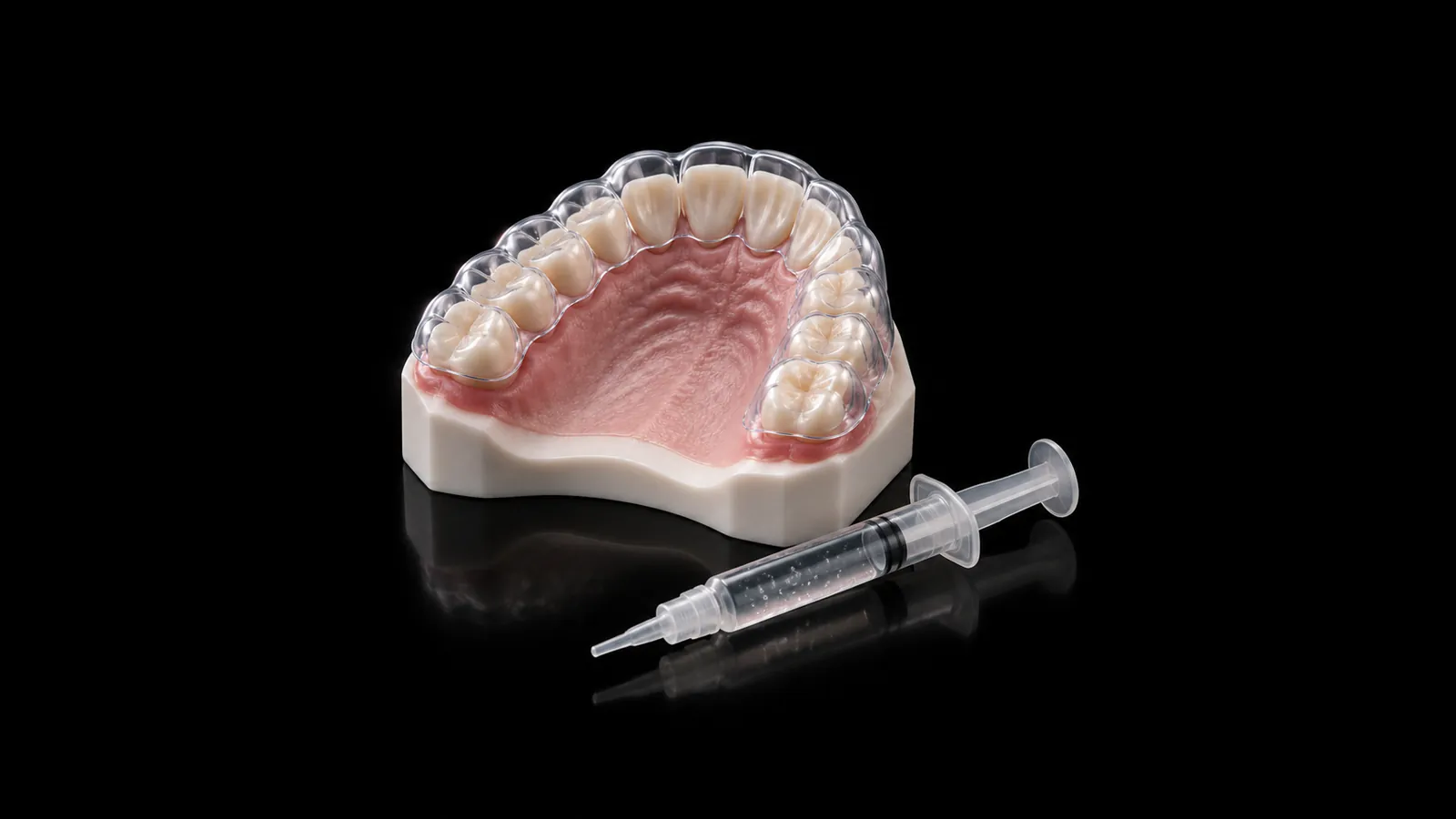
Home protocols rely on custom trays and a gel prescribed by a dentist. At the clinic, whitening is done in the chair, during an appointment, after an examination.