At-home or in-surgery teeth whitening: comparing the options
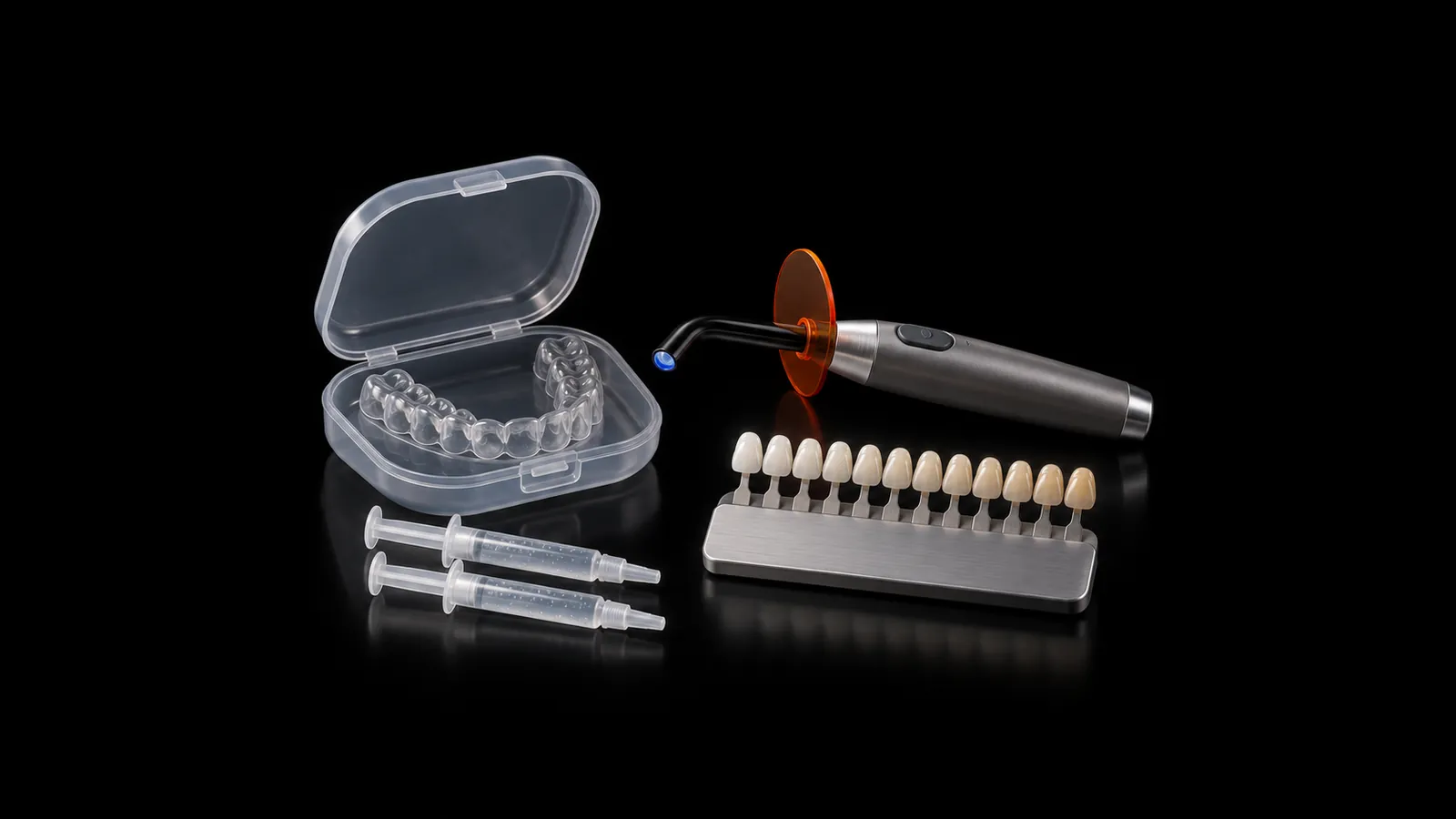
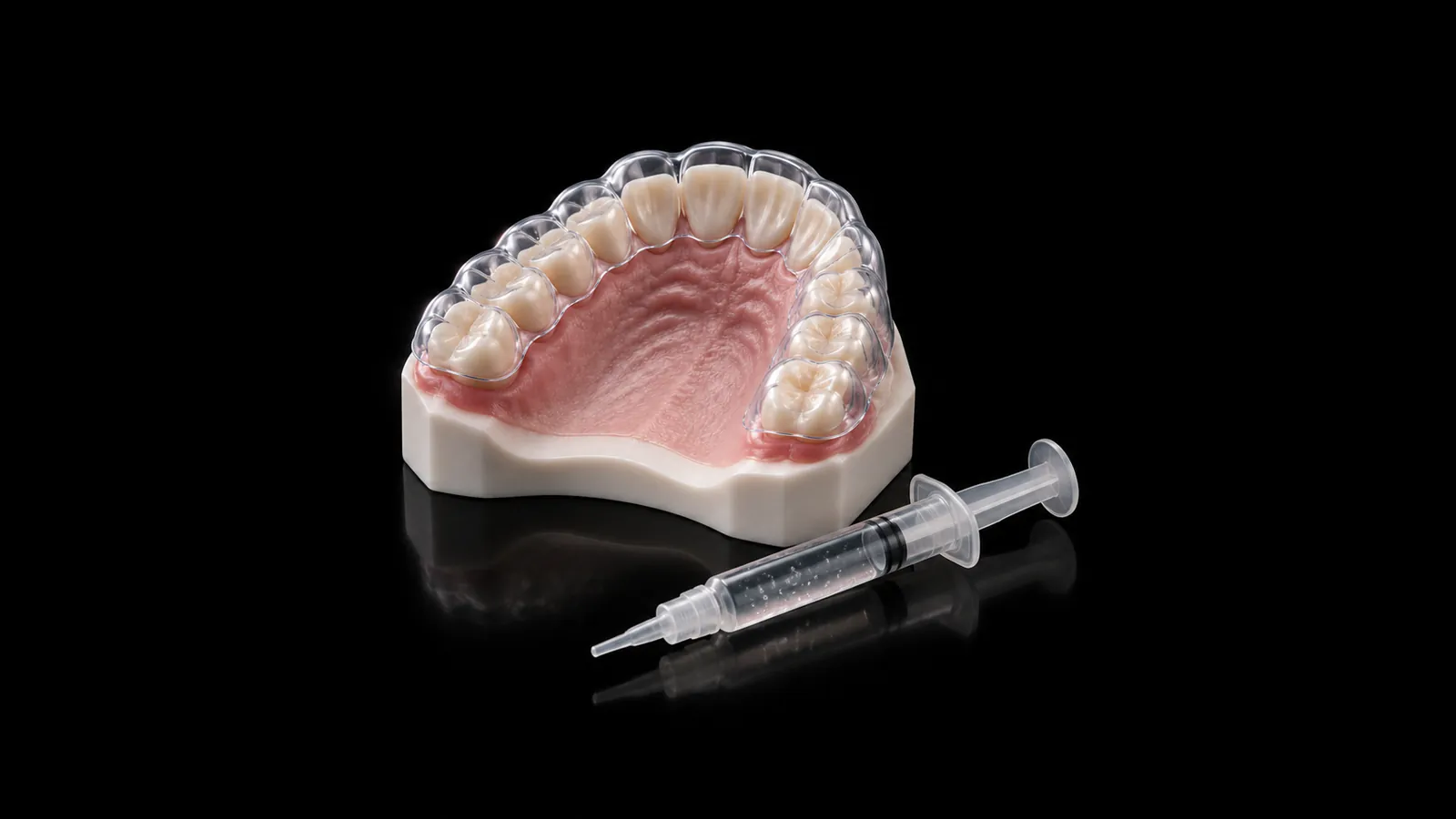
Home protocols rely on custom trays and a gel prescribed by a dentist. At the clinic, whitening is done in the chair, during an appointment, after an examination.
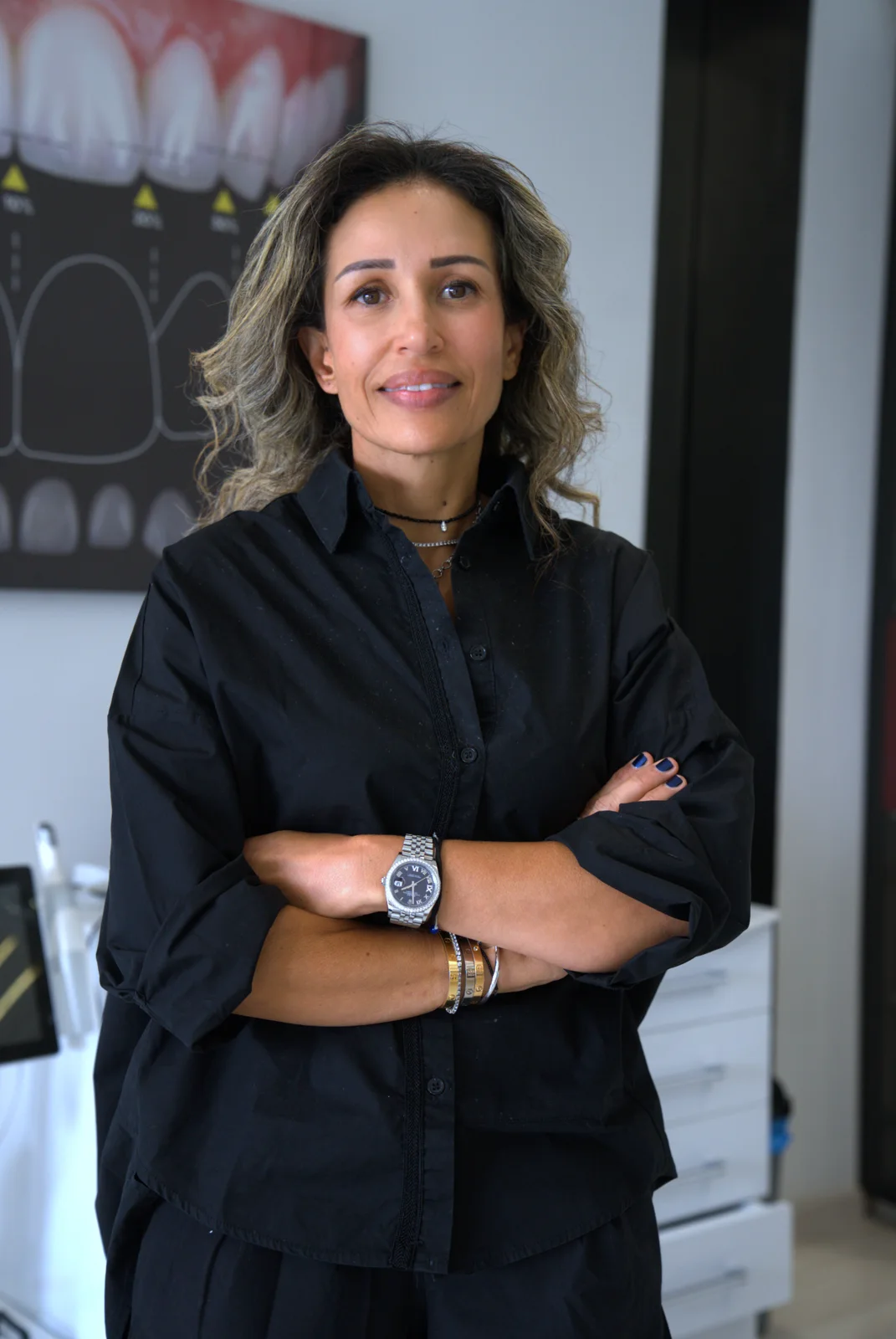
Published by Dr Hafça Moqadem, Dental surgeon in Marrakech4 min read
Trained in aesthetic veneers at the Institut de la Facette in Marseille, Dr Moqadem carries out veneers, whitening and smile design. Each plan starts from your face and your smile, and you approve it before any treatment.
Certificate in aesthetic veneers from the Institut de la Facette, Marseille.
Doctor of dental surgery (state diploma).
Former attaché at Beth Israel Hospital, stomatology department, New York.
CFI graduate in implantology and oral periodontology, Paris V Faculty of Medicine.
Certificate in advanced surgery from the Collège Américain de Paris.
Certificate in clear aligner orthodontics from the Centre de Sourire de Paris.
Certificate in dental and medical emergencies, Paris V.
Certificate in botulinum toxin and hyaluronic acid injections, Paris.
Both methods start with an examination and a scale and clean.
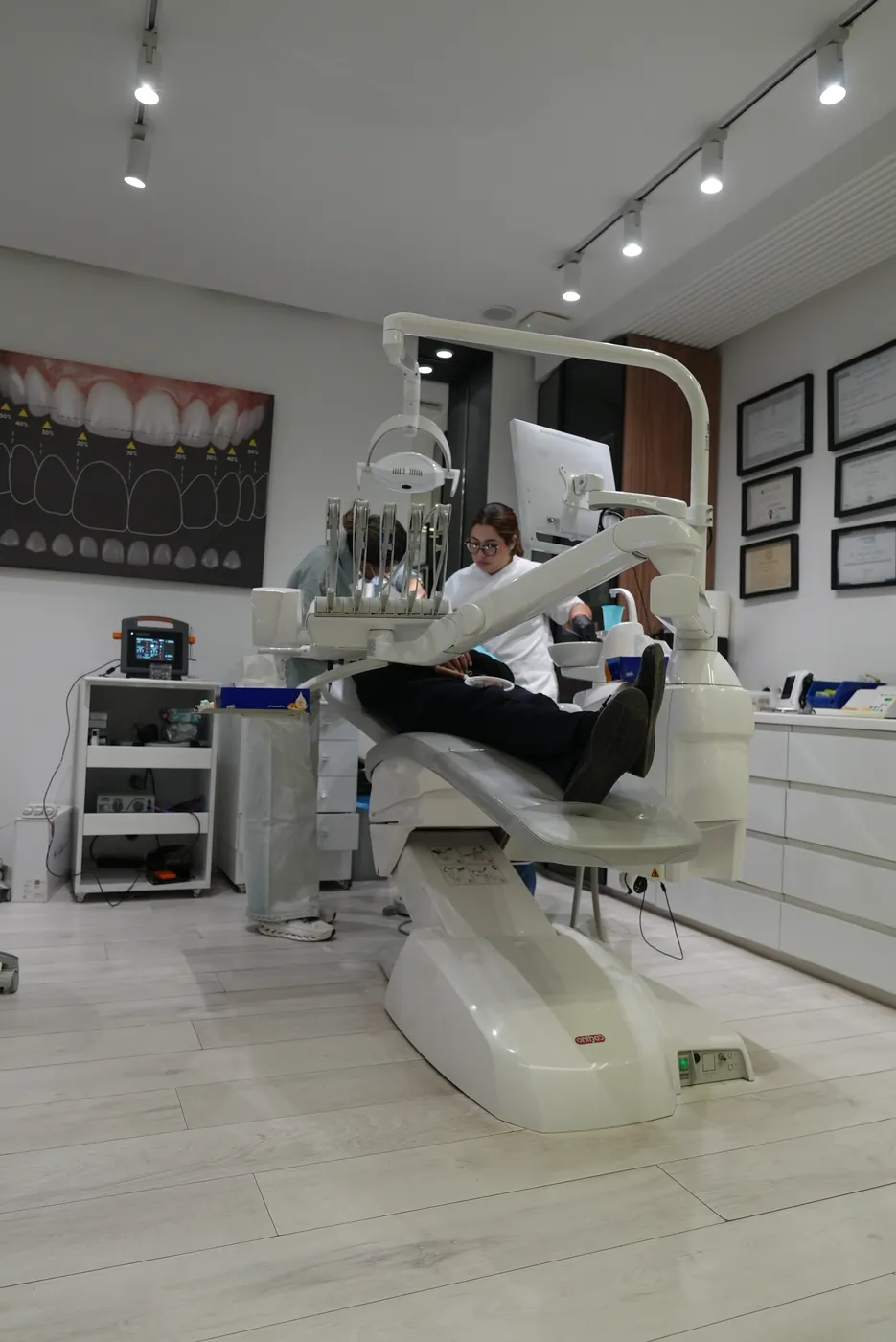
At the clinic, whitening is done in the chair during an appointment; home trays worn over several weeks are not offered.
An over-the-counter kit is not the same as prescribed home whitening.
The same starting point: an examination
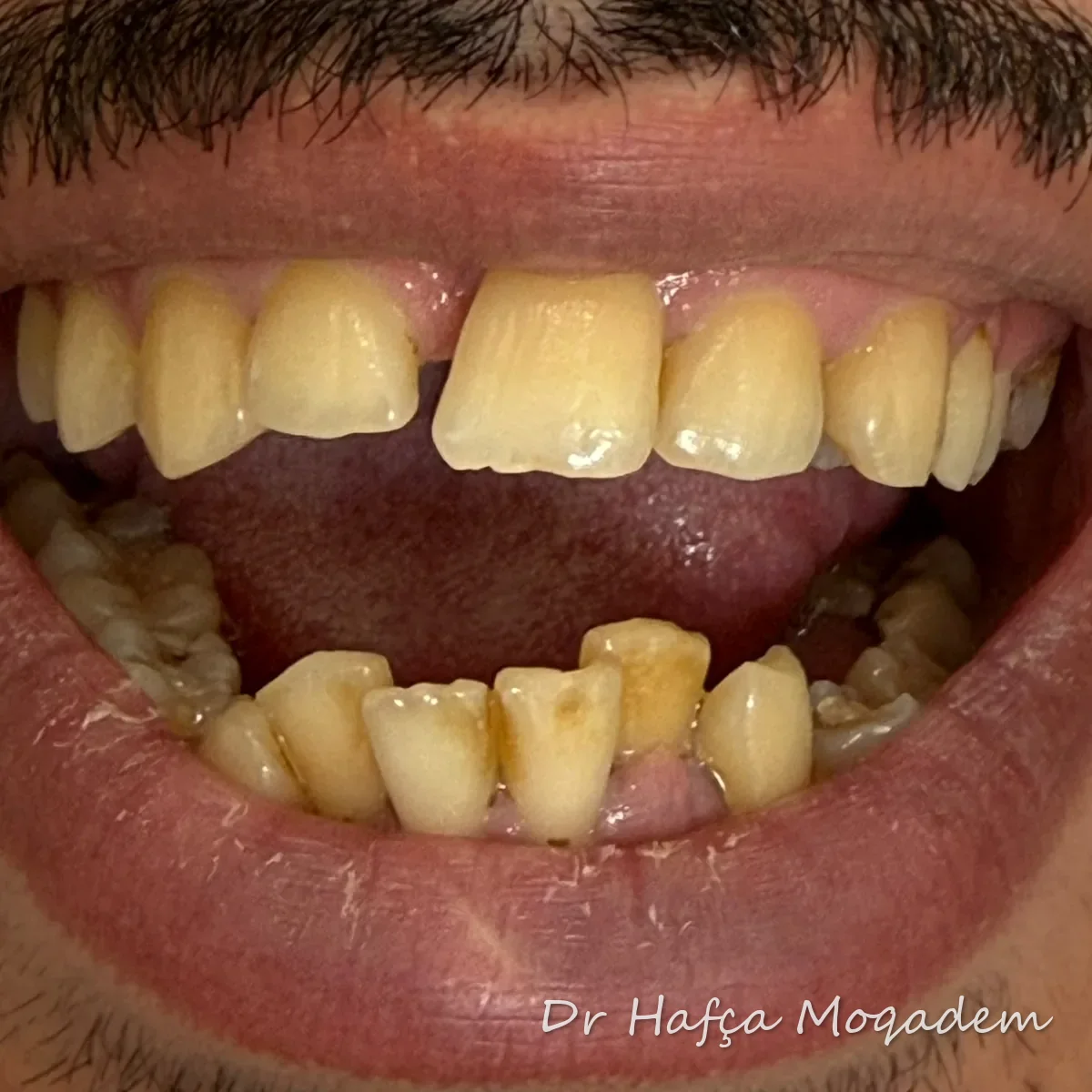
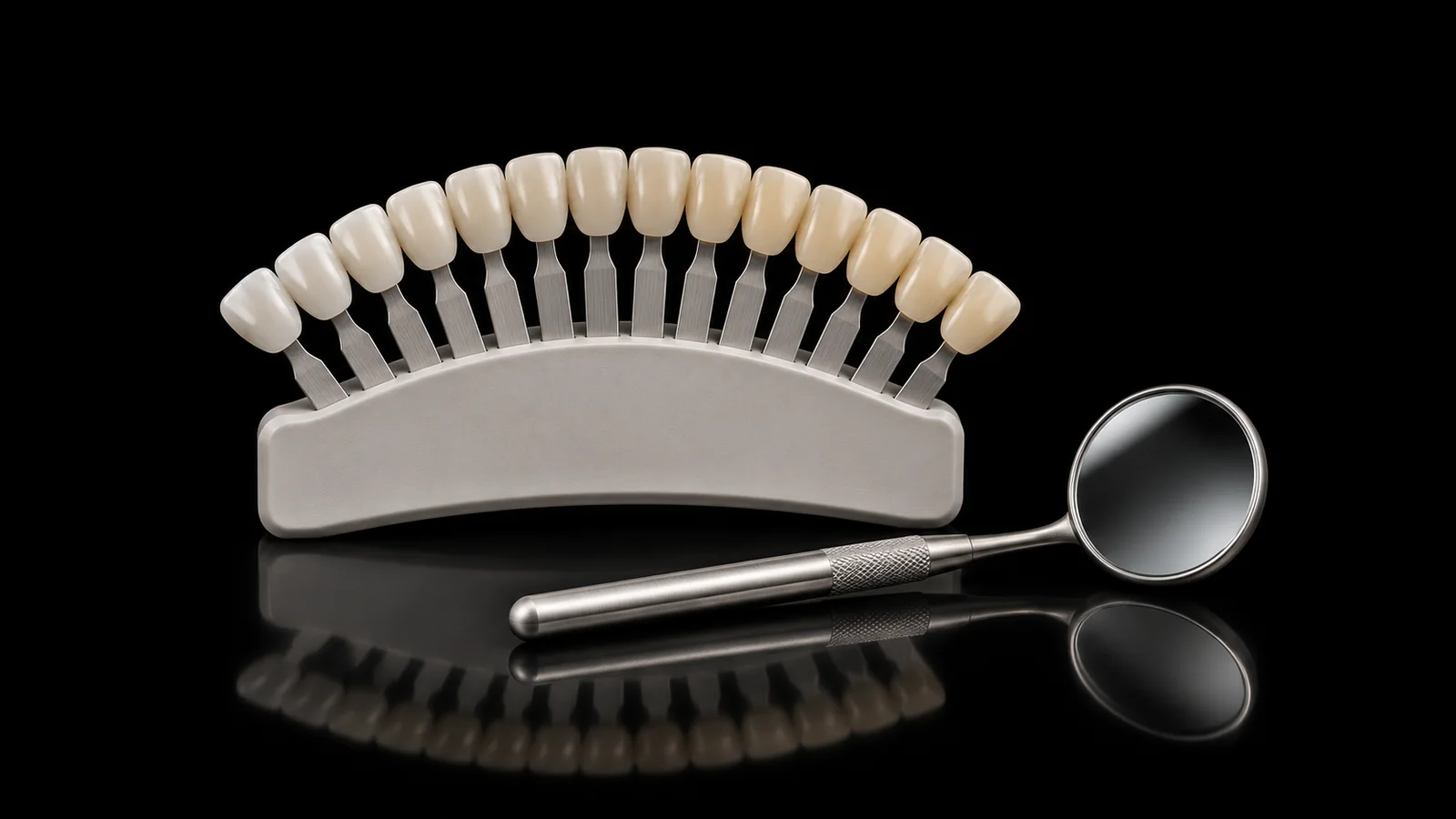
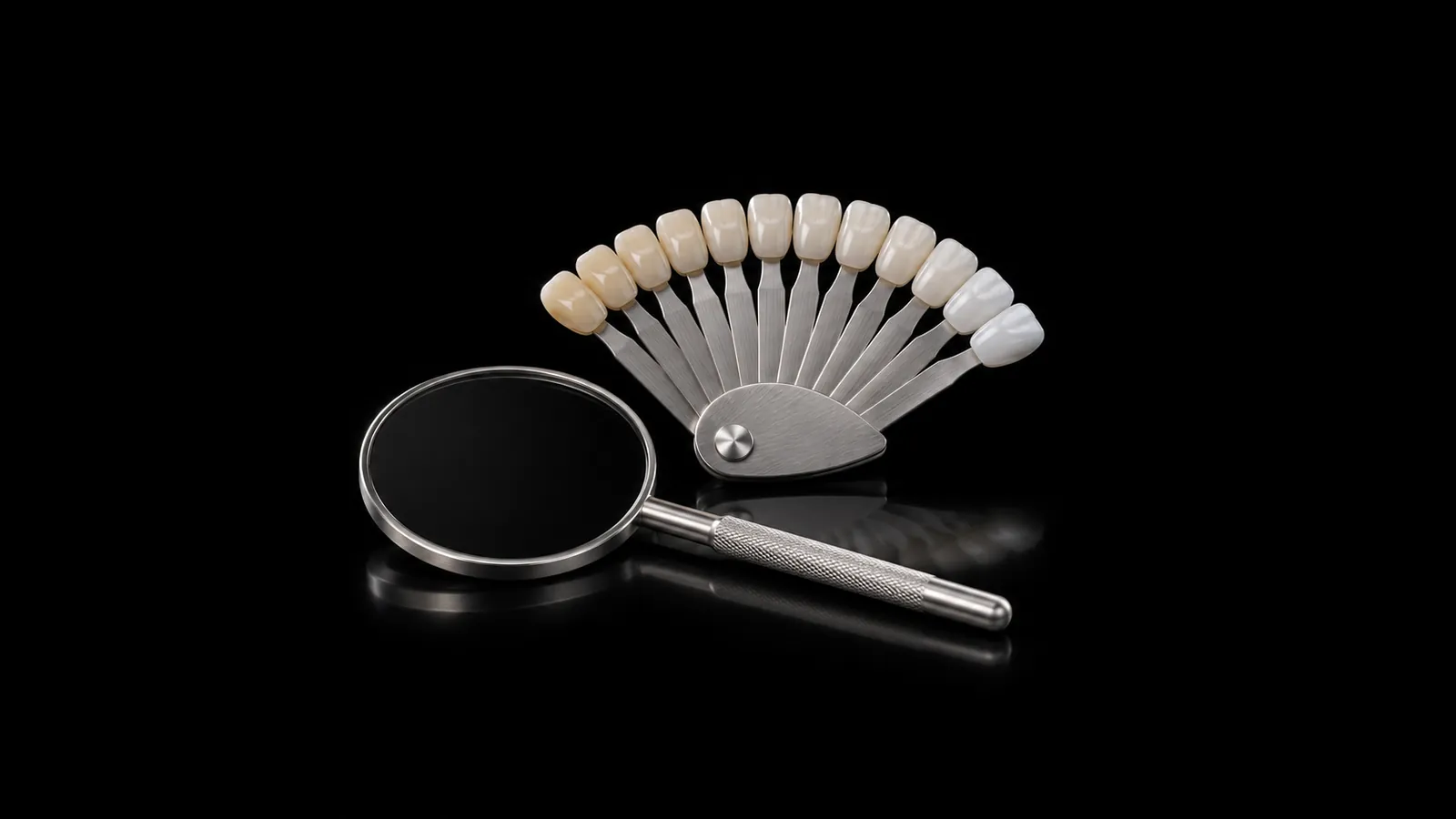
Wherever whitening takes place, your mouth is examined first. The dentist checks for decay, gum problems, exposed roots and old restorations, and a scale and clean is carried out. The dentist also looks for the cause of the staining, because some surface stains come off with a simple polish and some internal discoloration responds poorly. Your starting shade is recorded to follow progress. Only then is the treatment planned with you. Starting whitening on a cavity or inflamed gums makes stronger sensitivity more likely.
In the surgery: what happens in a session
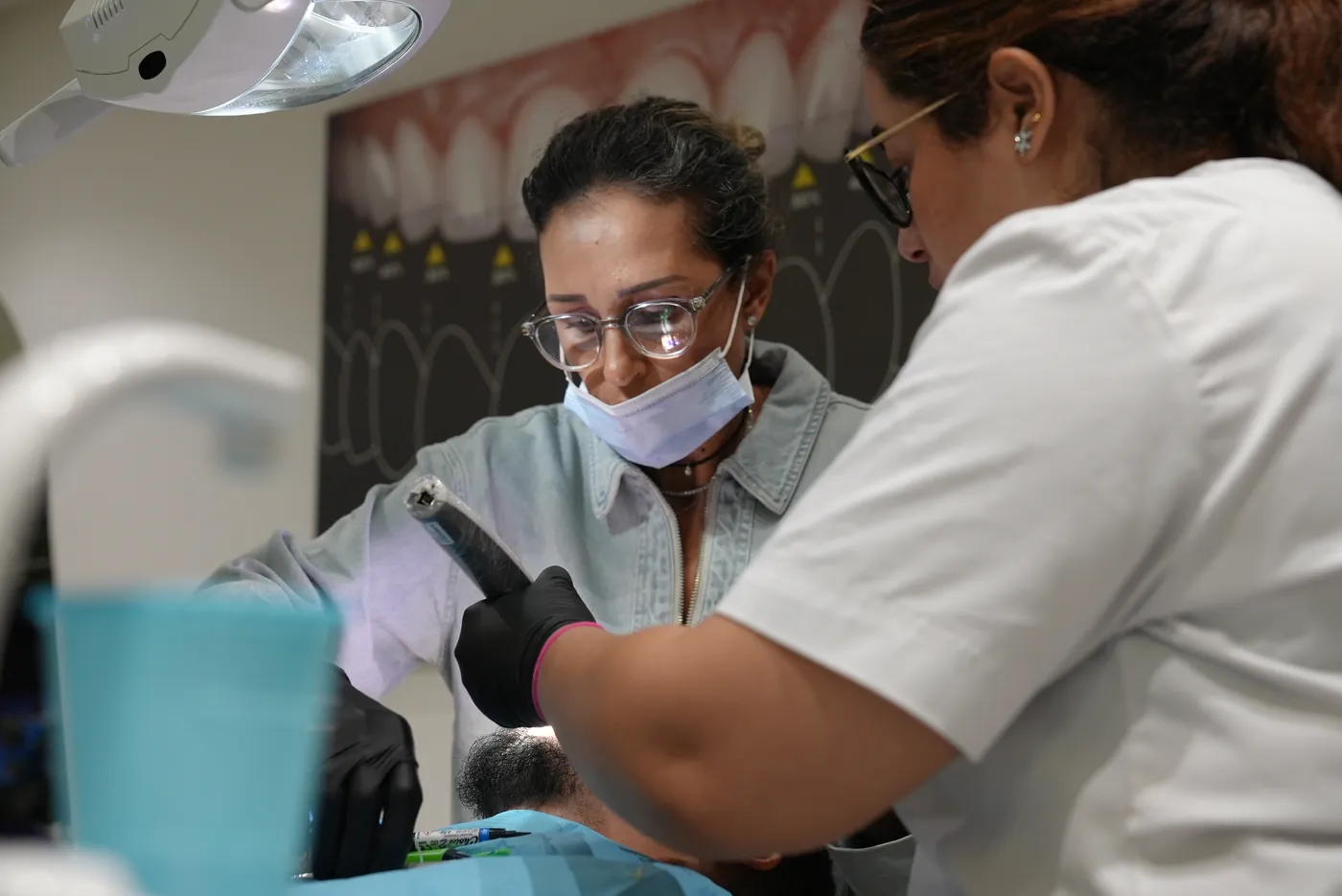
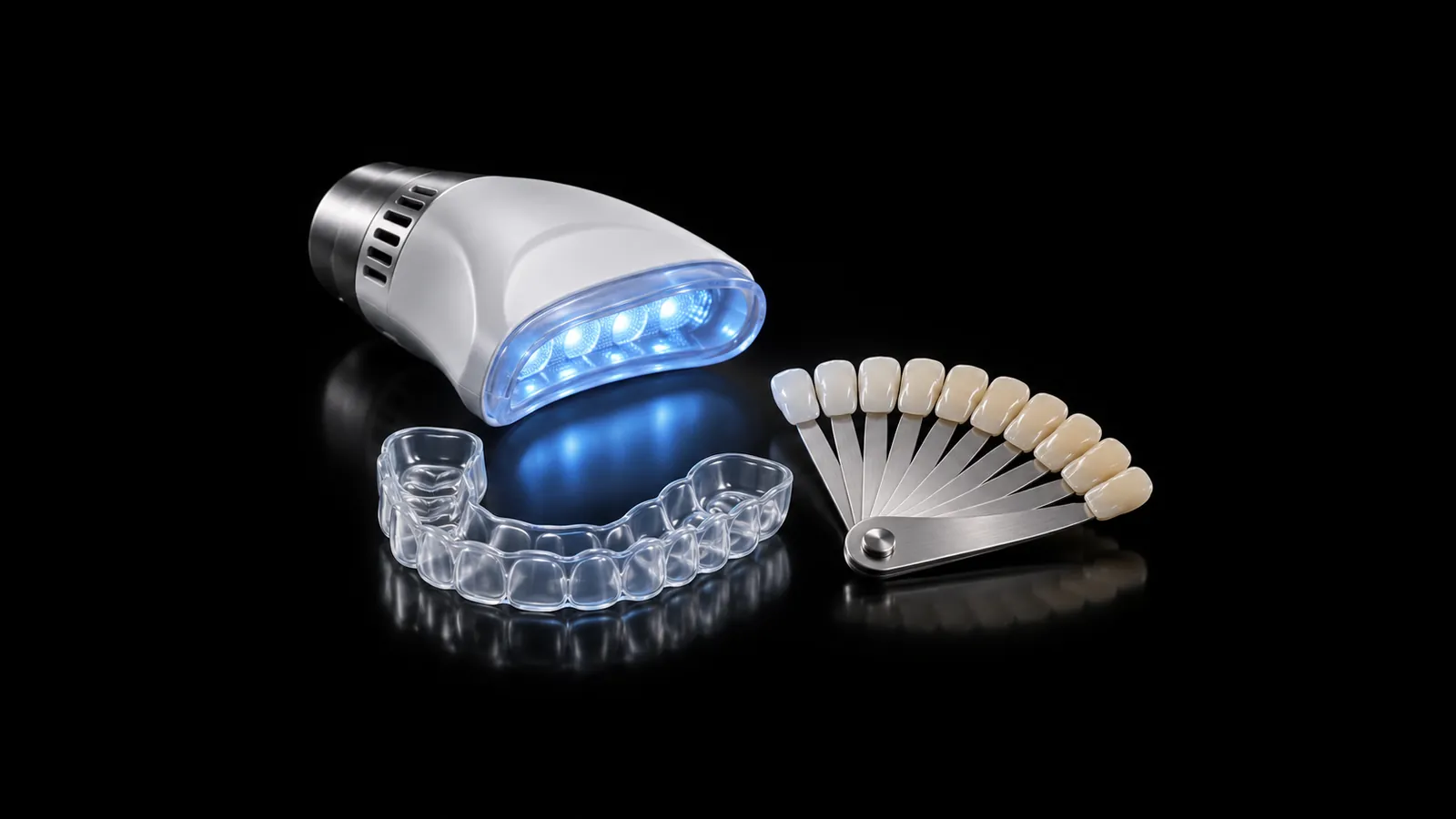
The gums are covered with a protective barrier, then a stronger gel is applied to the teeth during the appointment under the dentist’s direct supervision. The NHS describes laser whitening as one appointment of around 1 to 2 hours. The main benefit is control: the dentist watches the gums, adjusts the application time and stops if discomfort appears. The change in shade shows more quickly. On the other hand, sensitivity can be more noticeable in the hours that follow, and a second session is sometimes suggested.
At home: custom-made trays
In this protocol, the dentist takes impressions and has trays made to fit the teeth. A fitting appointment checks the trays and shows how much gel to use. According to the NHS, treatment usually lasts 2 to 6 weeks. Leeds Teaching Hospitals, for example, describes wearing the trays overnight with a review about two weeks later. Lightening is gradual. It does need consistency: missing days makes treatment longer, and using extra gel does not speed up the result but can irritate the gums. This protocol is not offered at the clinic, where whitening is done in the chair.
Why home whitening starts with a dentist
In the European Union, Directive 2011/84/EU reserves products with more than 0.1% and up to 6% hydrogen peroxide for dental practitioners. For each treatment cycle, the first application is done by the dentist or under their direct supervision, and the product is then given to the patient to complete the cycle at home. These products must not be used on anyone under 18. In other words, proper home whitening is still a supervised treatment: it begins with an appointment and ends with a review of the shade and gums.
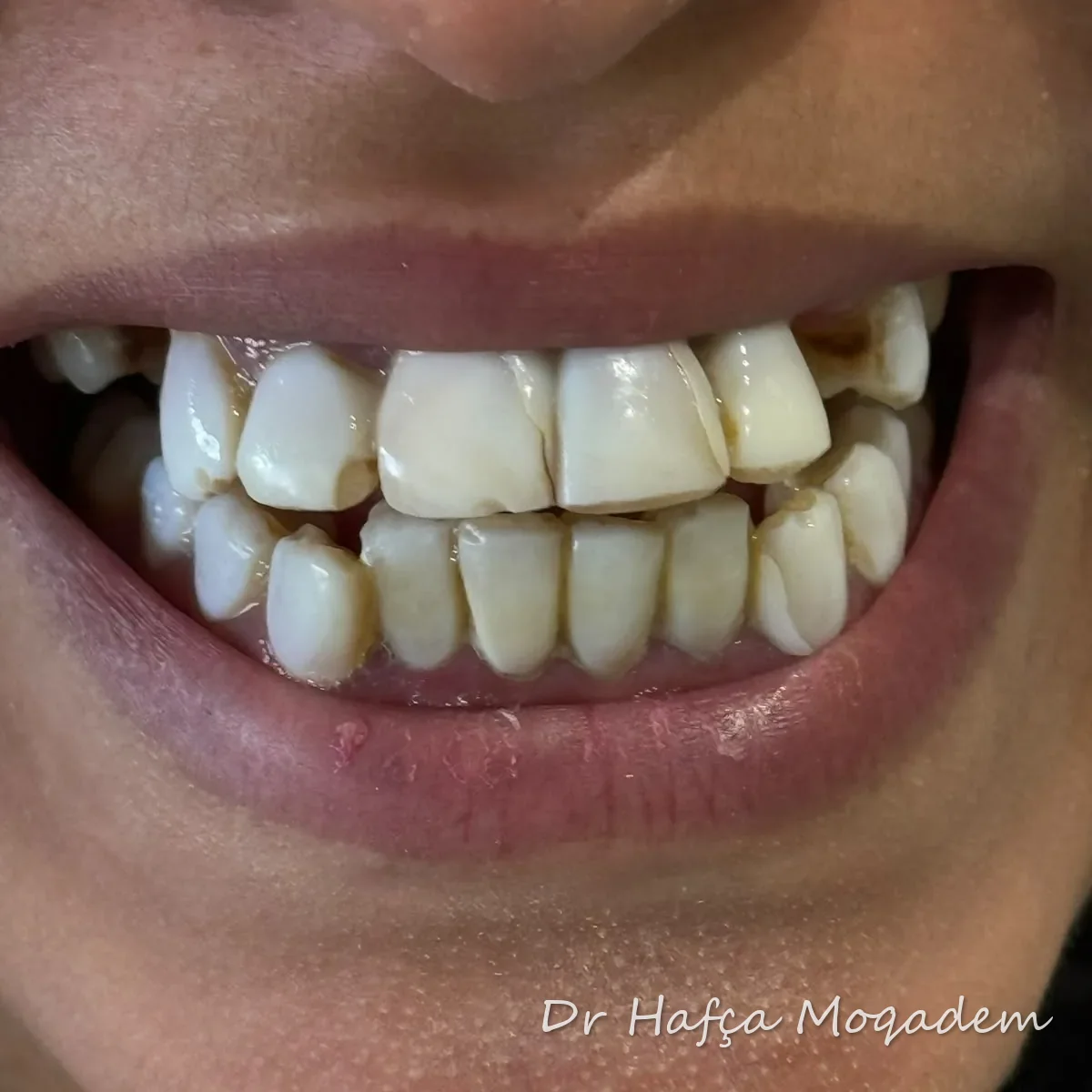
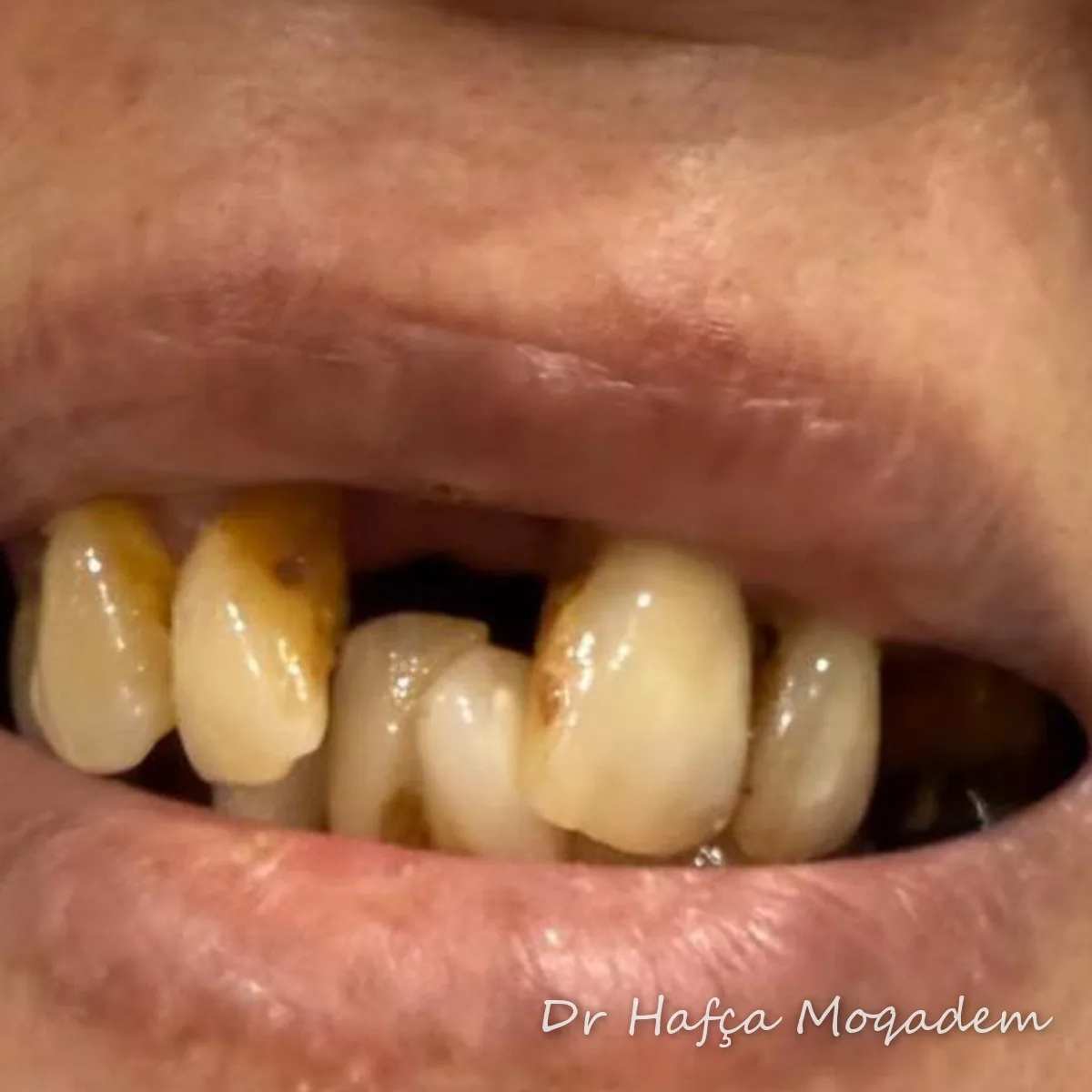
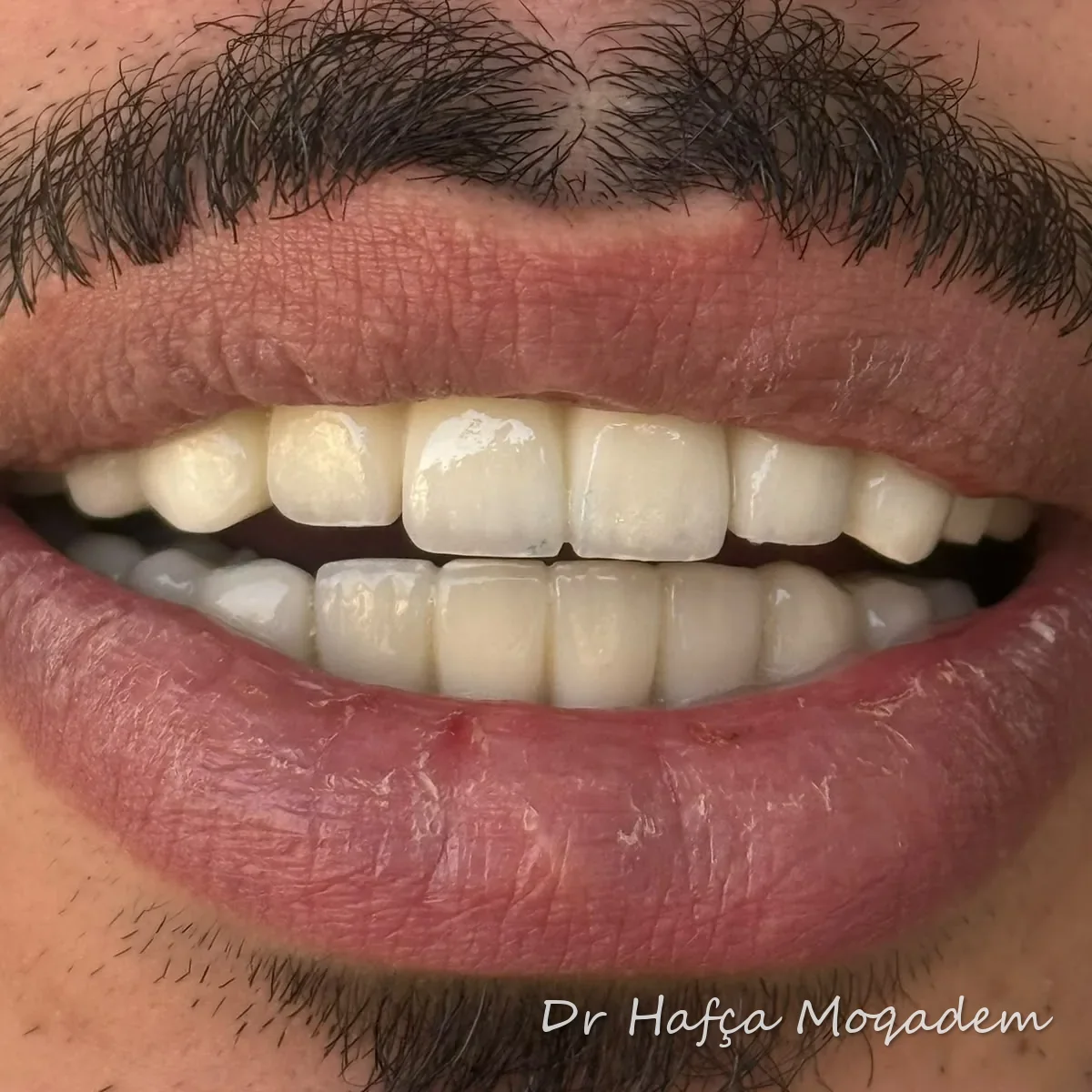
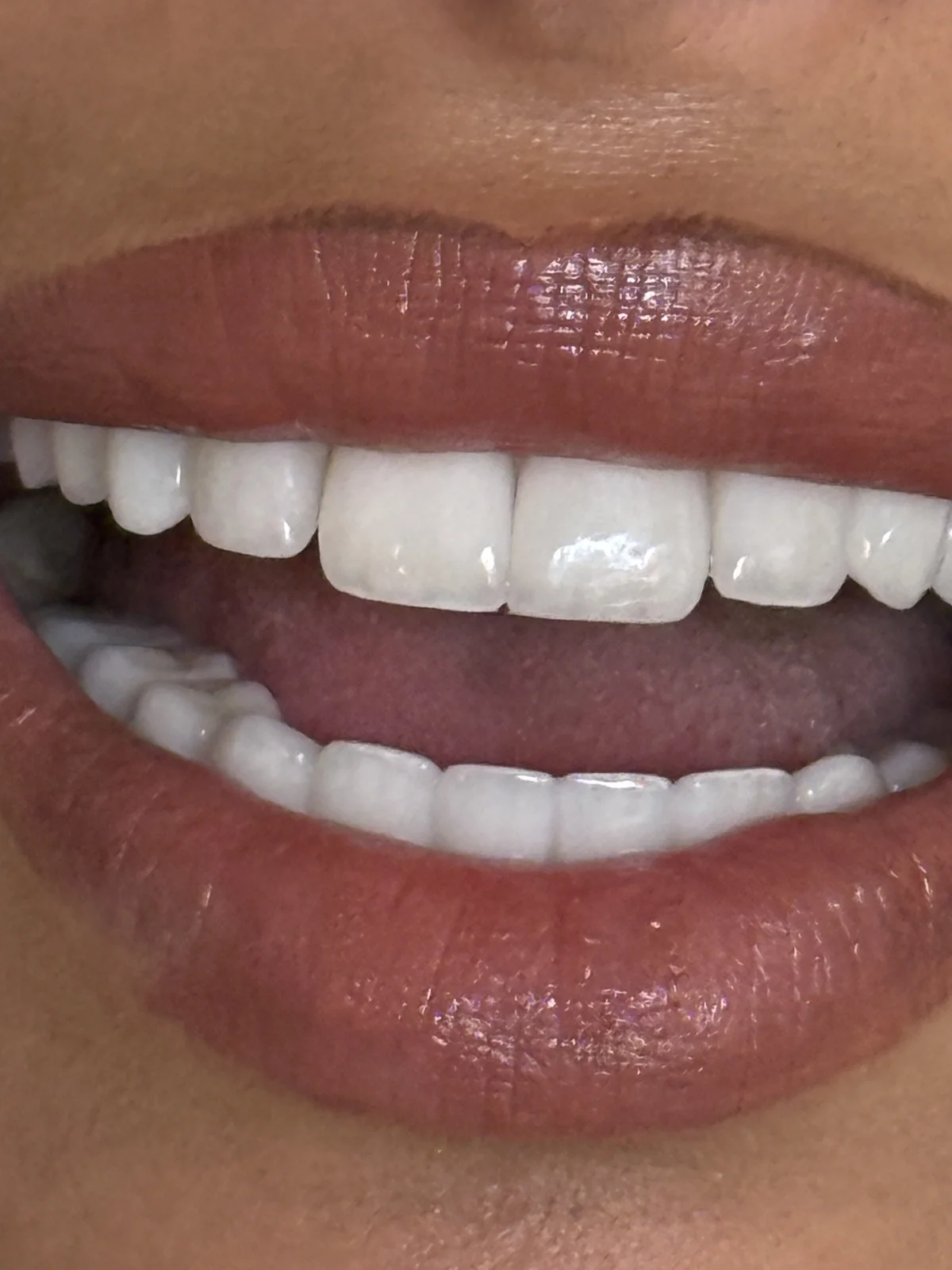
Before
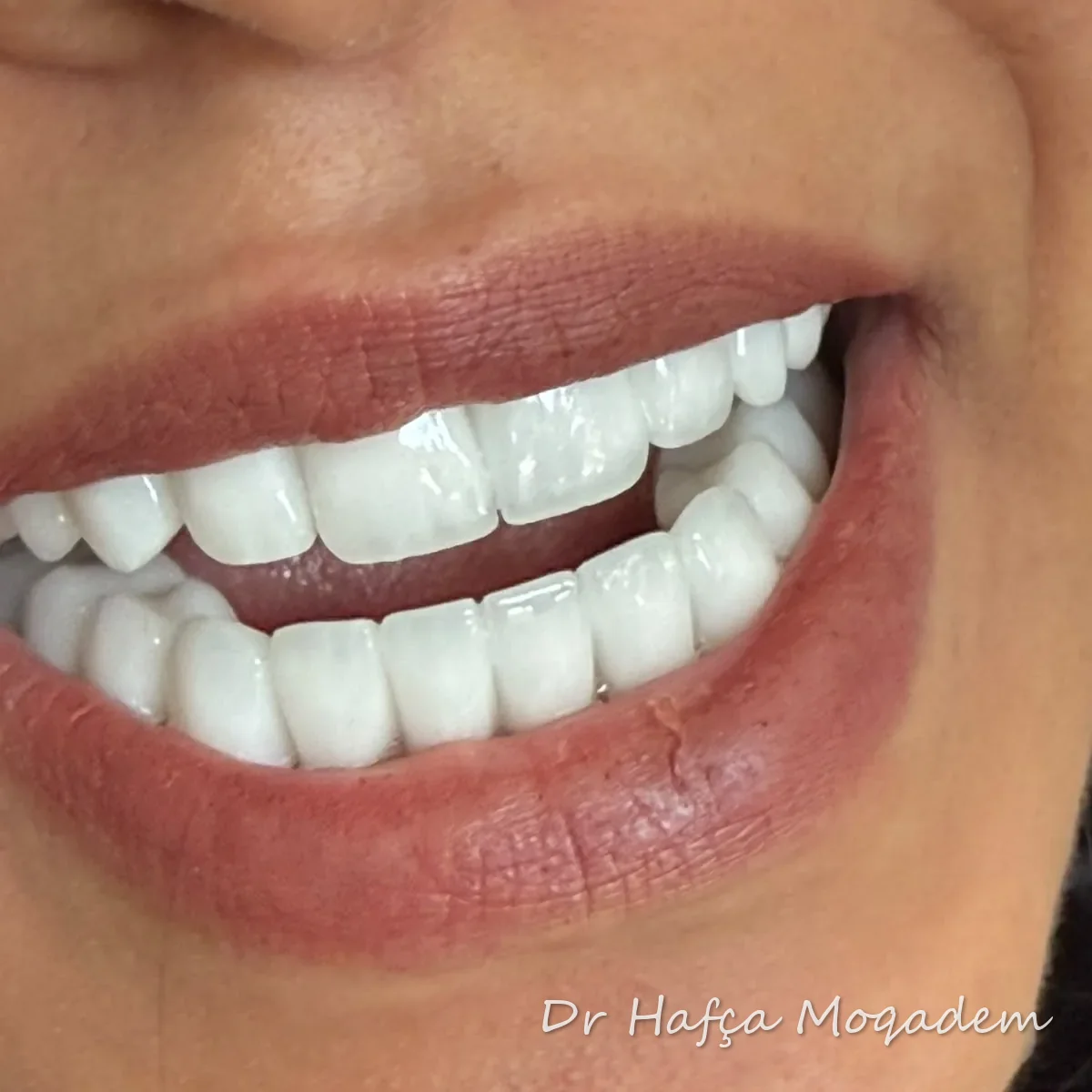
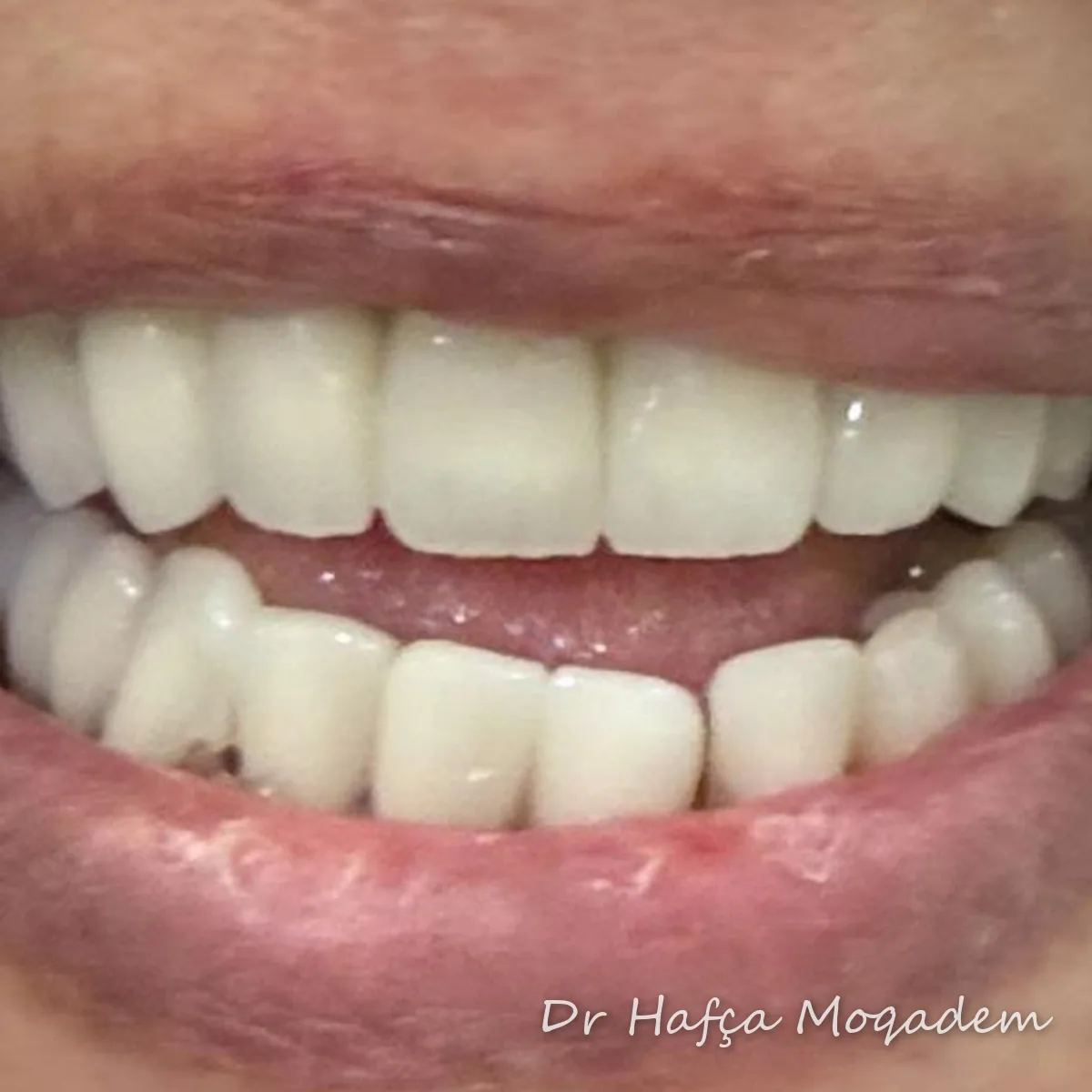
After
Real case from the clinic Hollywood smile, another patient of the clinic before and after. See the cases: Hollywood smile
Shop-bought kits are not prescribed home whitening
Strips, gels and toothpastes sold in pharmacies or online are weaker than the products dentists use, the ADA notes. They often come with standard trays that do not fit the teeth: gel can spill onto the gums and irritate them, or miss parts of the tooth surface. The NHS warns that kits bought online and whitening in beauty salons may be less effective and can be harmful. Do not combine such a kit with whitening done at the clinic without talking to the dentist first, as the effects can add up.
With both methods, sensitivity to cold and gum irritation are possible. The 2018 Cochrane review notes that these effects are usually mild and short-lived, and more frequent with higher concentrations. With home trays, Leeds Teaching Hospitals describes a simple approach: space out applications, for example every other night, and use a toothpaste for sensitive teeth. In the chair, the dentist adjusts the application time during the session. A white edge on the gum can appear and usually fades. Severe or persistent pain is a reason to stop and contact the dentist rather than carry on.
At the clinic, whitening in the chair
At the clinic, whitening is done in the chair, during an appointment, under direct supervision, after an examination. No treatment is done at home: the clinic provides no whitening trays and no take-home kit. Think about visible restorations: crowns, veneers and composite do not whiten and may need replacing. Finally, plan treatment well ahead of an important event so there is time for a review.
The result is not permanent. According to the NHS, it may last around 3 years with aftercare advice. During and just after treatment, cut down on coffee, tea, red wine, smoking and strongly coloured foods such as curry or tomato sauces. Keep brushing twice a day with a fluoride toothpaste and keep up regular cleaning appointments. Any later top-up of the shade is discussed at a check-up. Visible restorations can be redone once the new shade has settled.
The visual guide
Shade, shape, position: 3 different goals
Principles to help you prepare your questions. The assessment makes it possible to know what suits your situation.
Item
Principle
To clarify at the clinic
Whitening
Lightens natural teeth.
Does not change the shape; existing restorations do not whiten.
Composite
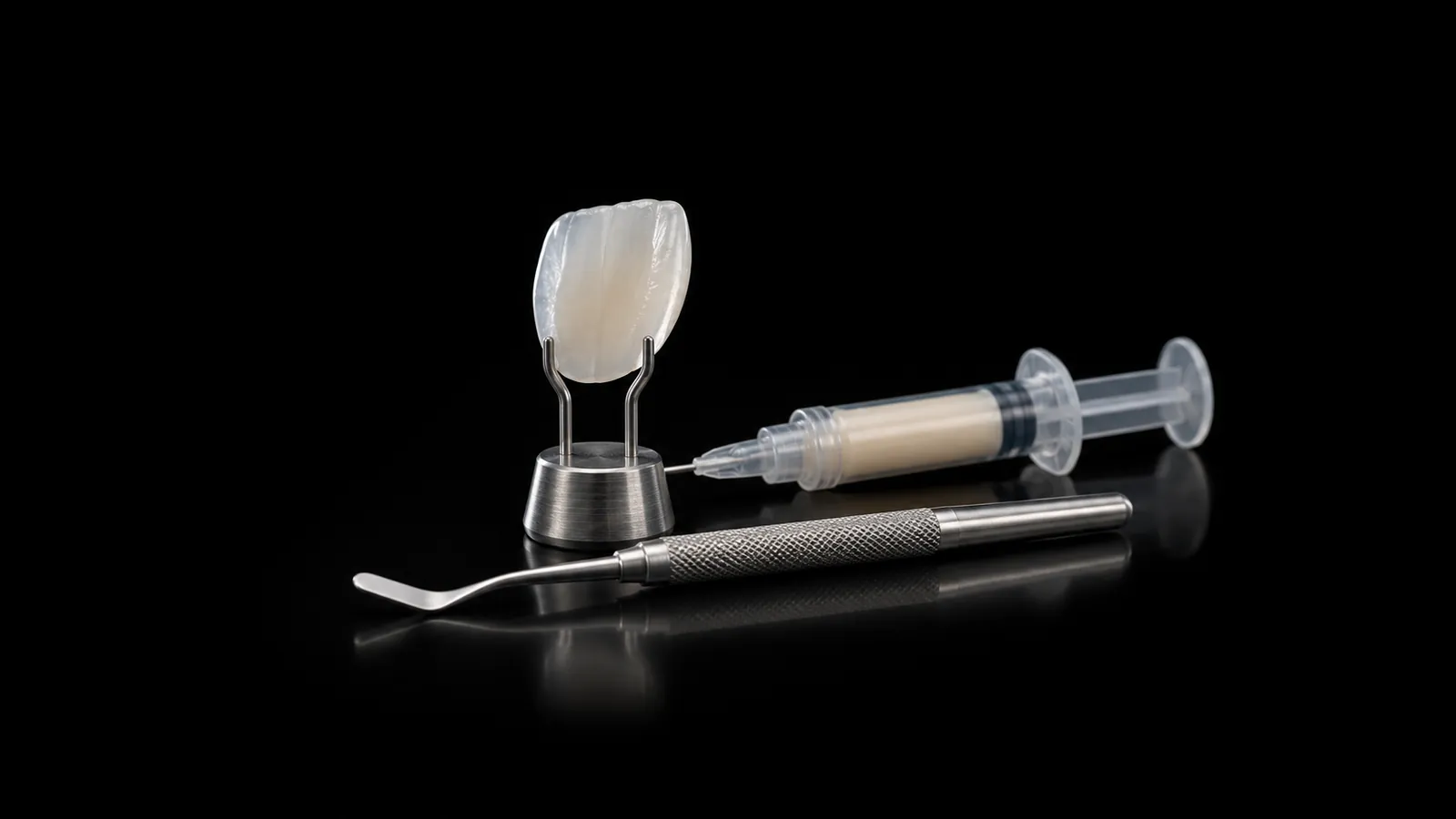
Adds a resin to correct certain shape defects.
Maintenance, touch-ups and possibilities depend on the tooth.
Veneers
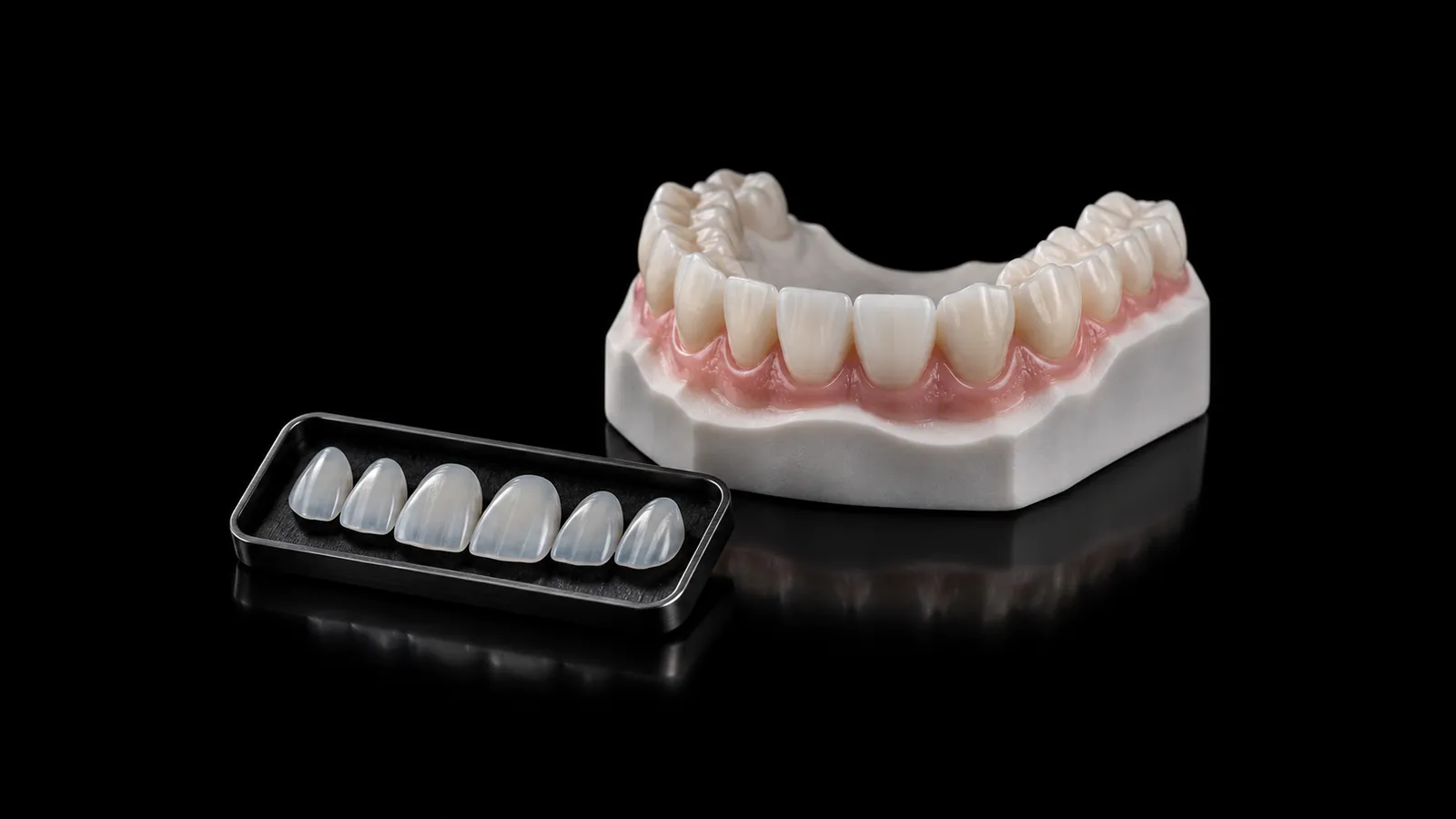
Cover the visible surface to change shape and appearance.
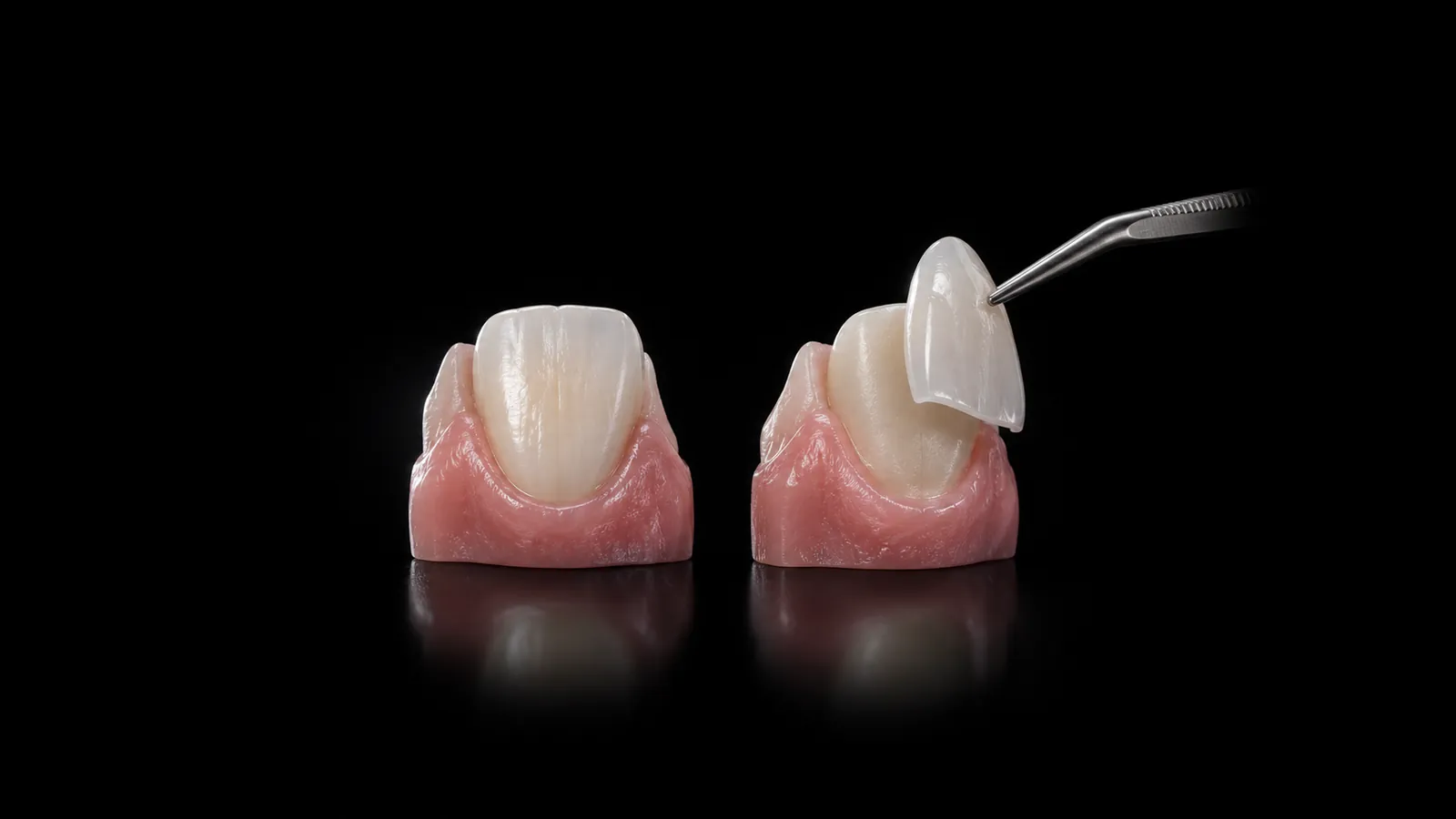
Some preparation may be needed and must be explained before any decision.
A daily guide
Brushing time, in practice.
The NHS recommends about 2 minutes of brushing, twice a day, with a fluoride toothpaste.
Choose the questions you would like to ask. Your choices stay on this page and are neither saved nor sent.
Guéliz clinic, Marrakech
Your check-up at the Guéliz clinic.
An article does not replace an examination. At the clinic, Dr Hafça Moqadem examines you, explains the options and gives you a written plan before any treatment.
Call the clinic, write to us on WhatsApp, or choose a day and a time yourself: your request reaches the clinic's WhatsApp and they will confirm the appointment.
A small tooth, a chipped edge, a small gap: composite bonding may be one of the options. Here is how it works, what it does not do and how to prepare your appointment.
A Hollywood smile is not a shade, it is an overall project. Understand what it changes, what it requires and how to decide calmly, with no promise of an identical smile for everyone.
Usually not: a ceramic veneer needs a little enamel removed, and enamel does not grow back. A veneer can be repaired or replaced, but you cannot go back to the original tooth.