The first days after fitting
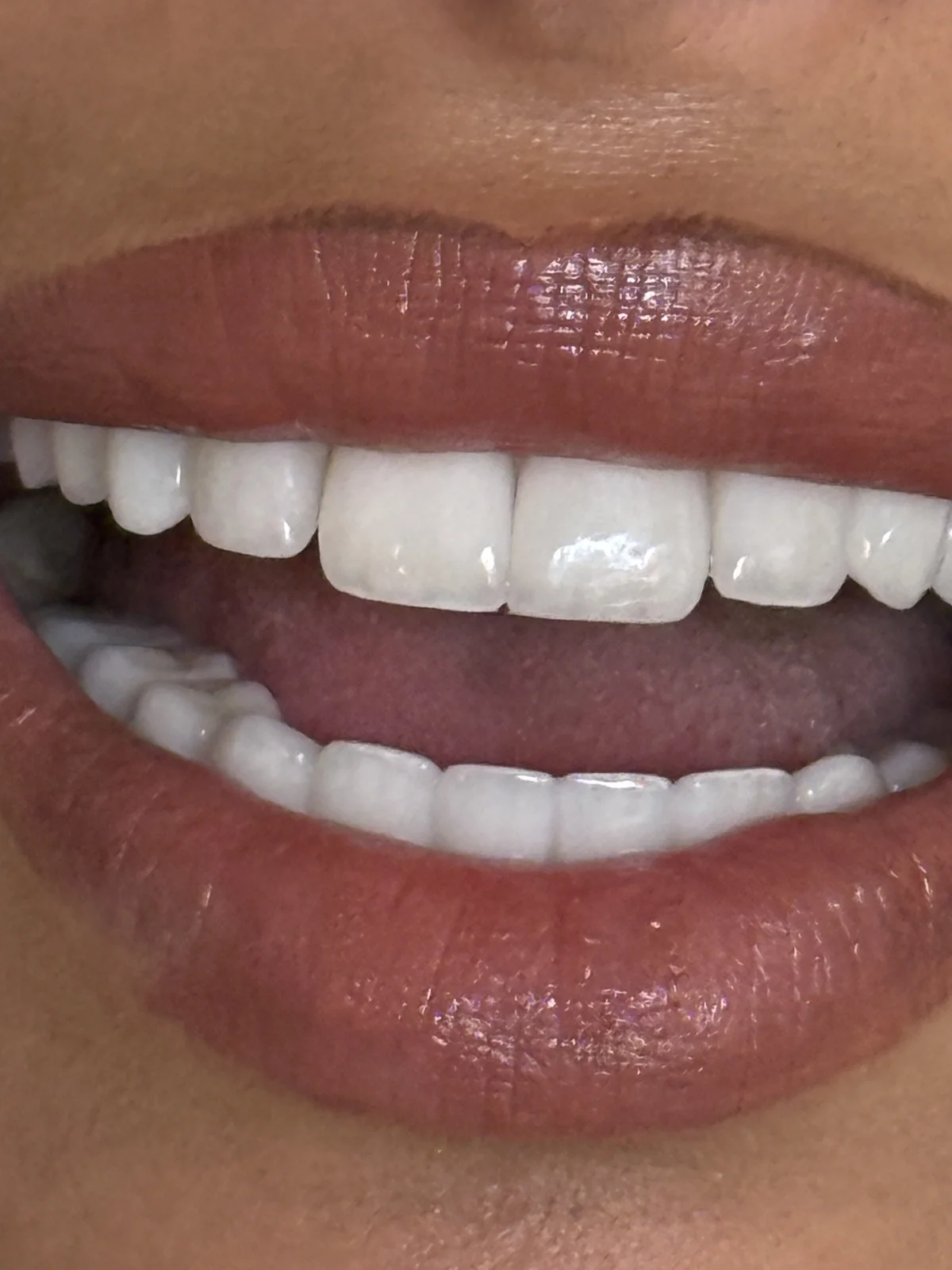
The ADA says it may take a few days to get used to a veneer, and that you should tell your dentist if your bite does not feel right. Discomfort when chewing, one tooth touching too early or an edge that catches your tongue can be corrected with a simple adjustment. The gum around veneers may also stay slightly tender for a few days, and Cleveland Clinic notes possible sensitivity to heat and cold. These signs usually settle. If they continue or get worse, a review appointment checks the bite and the edges.
A veneer does not protect against decay
A veneer covers the front of the tooth, but the tooth underneath is still living and vulnerable. The ADA points out that decay can form under or around a veneer. The most exposed area is where the veneer, the tooth and the gum meet, where plaque builds up easily. Inflamed gums can also recede and reveal an edge. Looking after a mouth with veneers is therefore first of all looking after a healthy mouth: brushing, cleaning between the teeth and regular check-ups with your dentist.
Brushing
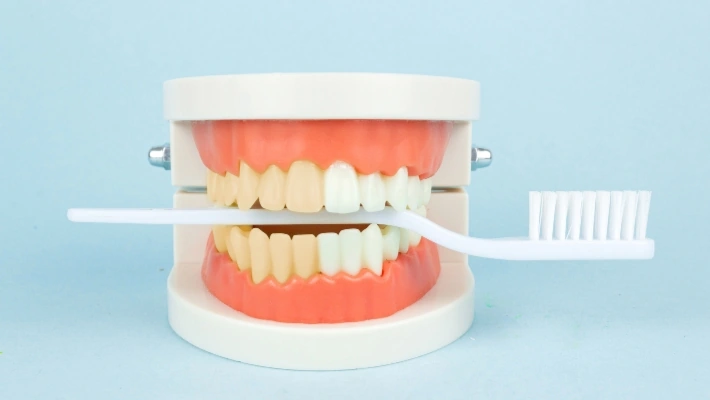
The NHS advises brushing twice a day for about 2 minutes, including last thing at night, with a toothpaste containing at least 1,350 ppm fluoride for adults. Spit rather than rinse, to keep the fluoride on your teeth. Cleveland Clinic recommends a soft-bristled brush and a non-abrasive fluoride toothpaste. Pay gentle attention to the line between the veneer and the gum, angling the brush towards the gum line. Brushing too hard or using a hard brush can wear the edges and make the gums recede over time.
Between the teeth
The surfaces between teeth cannot be reached by a toothbrush. The NHS recommends floss or dental tape, or interdental brushes, especially where there are gaps. Cleaning between teeth is ideally done before brushing. Slide the floss gently along each tooth without snapping it against the gum. Interdental brushes need to be the right size, so ask the surgery which ones suit your spaces. If floss always shreds in the same place, mention it: a rough edge can trap plaque and should be checked and polished.
Habits to avoid
Veneers are strong but not indestructible. The ADA advises against biting your fingernails and chewing on hard objects or foods. Cleveland Clinic recommends not using your teeth as tools. So avoid opening packets, cutting thread, cracking shells or chewing pens with your front teeth. Biting straight into very hard food with your front teeth can also chip an edge, so cut it into pieces instead. These precautions protect your natural teeth too, and they cost very little effort once they become habits.
Grinding and sport
Clenching and grinding, often at night, put strong forces on veneers and can crack them or make them come loose. If you grind your teeth, or your partner hears it, mention it: a night guard may be suggested after an examination, and it needs to be worn regularly. For sports with a risk of a blow to the face, the ADA advises a mouthguard, which protects veneers as well as natural teeth. A guard bought without fitting protects less well than one made to fit your mouth.
Colour and staining
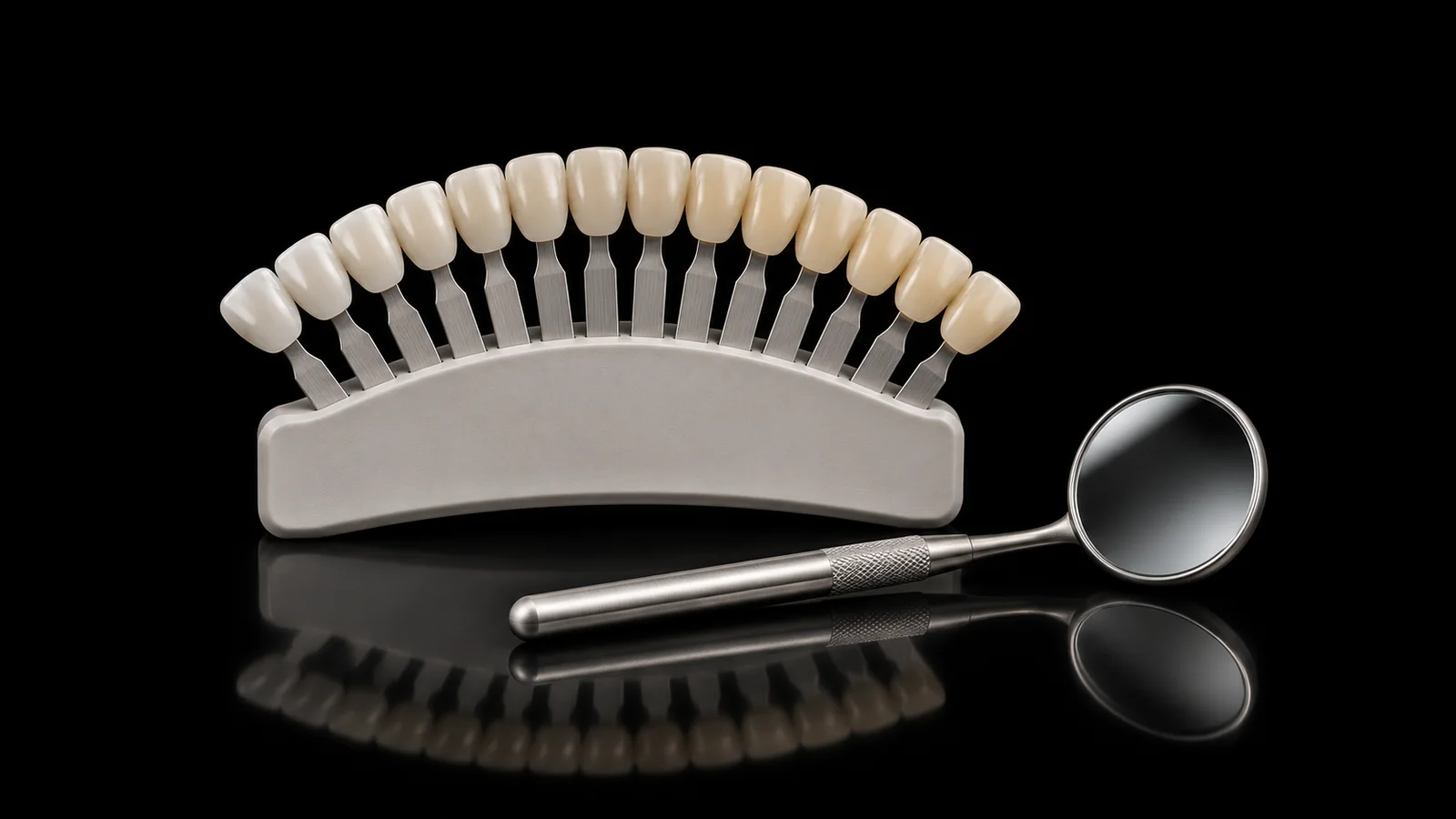
Cleveland Clinic advises limiting dark foods and drinks such as coffee, tea and red wine. Composite veneers stain more easily than ceramic, according to the ADA, and may need polishing at the surgery. Whitening products do not change the colour of a veneer, and Cleveland Clinic recommends avoiding them. If you want to lighten your natural teeth, discuss it first: whitening after veneers are fitted could create a difference in shade with the veneers. Also avoid abrasive powders and toothpastes that scratch surfaces.
Check-ups and warning signs
Cleveland Clinic gives an average lifespan of 10 to 15 years for veneers with proper care. The ADA notes that a veneer can chip, crack, wear or come loose, and that the dentist can then re-bond, repair or replace it. Regular check-ups and cleaning help spot leakage, wear or inflamed gums early. See your dentist promptly if a veneer moves, comes off or cracks, if an edge becomes rough or if a tooth becomes painful. Never glue a veneer back yourself with a household adhesive.